Something Art Can Do

A recent visit to the Auckland Project exceeded my expectations. The investment in a range of cultural, historic and artistic exhibits in this market town has been extraordinary. The excessive scale and grandeur of the Bishop of Durham’s official residence has been transformed into a visitor attraction, with a new gallery of world faiths added to the property. While the timing of the project’s opening was ill-fated, coming just months before the first lockdown in early 2020, it appears that in recent years the ambition to make the former mining town a major tourist destination has been realised.

In the episcopal residence, Auckland Castle, rooms have been themed according to many of the former bishops. This means that the furnishings are contemporaneous with the figure being celebrated, and in some cases an audio or visual loop of material is featured. For example, in remembering the controversial prelate David Jenkins, there is an extract of an interview in which he speaks about his understanding of faith and the central tenets of Christianity.

Close to the centre of Bishop Auckland, just a short walk from the Castle, there is the Spanish Gallery. Billed as “the UK’s first gallery dedicated to the art and culture of the Spanish Golden Age”, it is an impressive collection. The connection that underpins this addition to the town lies in the famous paintings which fill the walls of the Bishop’s dining room in the Castle. These are Jacob and his Twelve Sons by Francisco de Zurbarán, bought by the Bishop of Durham in 1757. It would be hard to find any collection of Spanish art in the UK, outside of London, which could compete with what has been brought together in this northern market town.

“This world class gallery, which is spread across four floors and housed in two stunning Grade II listed buildings, is fast becoming a must-see for art enthusiasts across the North East of England and beyond”.

Reflecting on both the gallery and the Castle, there is an interesting juxtaposition of inspiring artwork and the more mundane “management of religion”. Bishops have no doubt inspired many people over the centuries but, for much of the time, they have turned the wheels of religion to maintain the institution and – in the case of the Church of England – upheld the status quo. This is particularly true for the prince bishops of Durham, who often served as the State’s enforcer in the north. Such a role entitled the bishops to the magnificence of a stately home, great wealth and the other privileges of office. Some, including Bishop Westcott and David Jenkins, subverted these expectations by siding with the miners during industrial disputes. However, they appear to have been the exception rather than the rule.

“The Bishop was loudly cheered by the miners, who had assembled in large numbers in the streets of Bishop Auckland; and he has every reason to congratulate himself on the results of his intervention”.

The Spectator, “The intervention of the Bishop of Durham (Dr. Westcott) in the Durham miners’ strike” 4 June 1892

The question my visit provoked is about the relationship between the bureaucracy of faith and the creativity which often inspires and disturbs our taken-for-granted expectations. Finding them sitting so closely side-by-side at the Auckland Project was an unusual experience. When Bishop Richard Trevor bought the paintings for the Auckland Castle dining room, they were not for general viewing. This was an experience for the elite and the Castle and grounds exuded wealth and privilege. While the Auckland Project has opened up these treasures (for a reasonable price), and located them close to several narratives about previous bishops, it begs a question about the role of the Established Church. Many major works of art have been commissioned by wealthy prelates, and some of these continue to provide inspiration today, but how is a far less mighty Church maintaining its task of providing space and inspiration for wide variety of people to engage, contemplate and be changed? There was a glimmer of hope about this at the end of the faith exhibition where major works by the contemporary artist, Roger Wagner, are hung. Wagner is someone who knows how transformative art can be in the journey of faith:

“It was the first thing that brought a sense of personal connection with the Gospels – which I’d studied, but never seen that you could enter into them in that kind of way. Something art could do which I’d never envisaged before”.

Roger Wagner speaking to The Church Times in 2013.

A Healthy Grave

Yorkshire seems to have had more than its fair share of notable clergy. My forthcoming Lent book concerns one of these, Laurence Sterne, but another distinguished figure is remembered in York – Sydney Smith. Born just three years after Sterne’s death, Smith became known for his wit, politics, writing, and philosophy. He had a remarkable turn of phrase. For example, when wishing to convey the remoteness of his country parish at Foston-le-Clay, he wrote:

‘My living in Yorkshire was so far out of the way, that it was actually twelve miles from a lemon.’

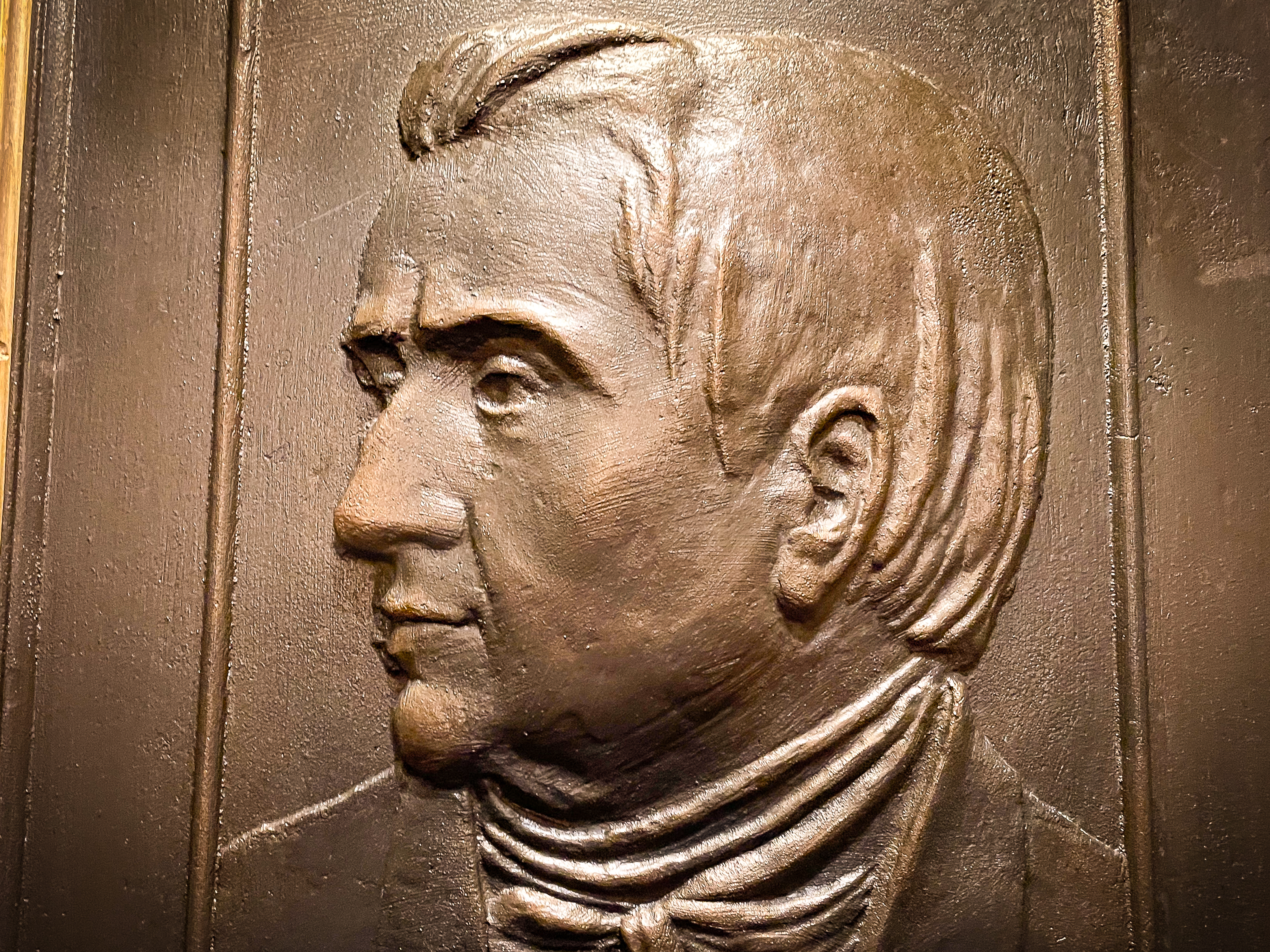
That probably wasn’t true as Foston was only five miles away from Castle Howard where, I can only assume, lemons and every other kind of produce were in rich supply. However, Smith was no doubt correct that he was living a considerable distance from the nearest place to buy a lemon. At Castle Howard he is remembered and celebrated with a plaque that was installed in 1999 by the Sydney Smith Association.

I am fortunate in living not more than twelve yards from a lemon, and therefore I can only guess at Smith’s experience of rural deprivation. However, for much of his working life Smith knew what it was to have lemons close at hand, and the requirements of rural ministry may have come as something of a shock. Elsewhere he writes: “I have no relish for the country; it is a kind of healthy grave”. He had lived in the metropolis of Edinburgh and was undoubtedly used to a wide choice of comestibles, culture and company (well, as wide as it got in the early 19th century). It was here that Smith was involved in launching the Edinburgh Review in 1802. This was a potent platform for liberal views, and began to call for political reform.

The church at Foston appears to have been neglected for a significant period before Smith arrived. There had been no rector, the duties being devolved to a curate. One of Smith’s first tasks was therefore to plan the construction of a fitting rectory. Illustrating the moribund state of the parish Smith wrote:

“When I began to thump the cushion of my pulpit … as is my wont when I preach, the accumulated dust of hundred and fifty years made such a cloud that for some minutes I lost sight of my congregation.”

Smith’s stature as a witty cleric, inclined to political reform, brought him the prospect of preferment in the Church. There was a time when it was possible he would have become a bishop, but for various reasons this never came to pass. When Lord Grey became prime minister in 1830 he was able, within a year, to advance Smith to a residentiary canonry at St Paul’s Cathedral. However, that was the last preferment which Smith received, and he soon realised that further progression was not in prospect. To the end, Smith retained and exemplified a generous spirit and commitment to a constructive and humane expression of religion.

“I hate the insolence, persecution and Intolerance, which so often pass under the name of religion, and, as you know, have fought against them”.

* The photo heading this blog is of the church at Foston: by Stephen Horncastle, CC BY-SA 2.0, https://commons.wikimedia.org/w/index.php?curid=9290721

The Little Church

As happens from time to time, I caught different parts of the same radio programme on separate days. The topic was the rise and fall of Little Chef, the roadside restaurant chain which began in 1958. At various times the firm found itself in trouble and experienced rescues and takeovers. For a long while it was a popular brand although I recall, in the early 90s, experiencing slow and variable service; uncertain standards of cleanliness; and very indifferent food. I began to avoid them at all costs!

The Radio 4 programme, in the series Toast, was first broadcast back in April. In many ways it was the sorry story of a brand that had lost its way, despite some frontline staff putting considerable faith in its culture and potential. At one point the many of the properties used by the chain were bought, then sold and leased back, in order to raise cash to invest in the fabric and the food. Despite the understandable attraction of this approach there are many examples of companies that come to regret the long-term obligations to the freeholder that are integral to leasing. Come rain or shine, prosperity or austerity, charges stipulated from the lease continue regardless of the wider economic realities.

“The main lesson for this, is to not let nostalgia make you fall in love with something that no longer has a purpose in the society that we live in today”.

Sam Alper, entrepreneur, speaking on “Sliced Bread. Toast – Little Chef” Radio 4, 25 August 2024

Hearing Sam Alper’s final assessment of Little Chef’s difficulties and eventual demise, I could not avoid thinking of the Church of England. Of course, I don’t believe that the C of E lacks a purpose. Presumably Little Chef was served by the underlying reality that everyone gets hungry, not least on a long journey. The appetite was there and Little Chef attempted to deliver the goods in a way that was appealing to people and made it their preference when choosing where to eat. The Church exists in a culture awash with spiritual needs; a desire to be loved and included; and people’s hunger for life’s purpose and meaning. However, the Church has largely failed to connect the story it carries with the needs of the people it is called to serve.

In the silly season of summer news reports, it was hardly surprising that some unrelated stories and commentaries were nicely turned into a yarn about how the C of E was trying to rebrand. The delightful – if erroneous – narrative was that the Church wants to stop using the word ‘church’. Andrew Brown in the Church Times gives a synopsis of how the story emerged. The difficulty in wholly denying the idea is that various churches and new expressions of church have indeed chosen a more zappy and (allegedly) appealing nomenclature. Why bother with the fusty old church when you could attend Sanctuary, complete with complementary bacon rolls?

Of course, none of the new ecclesial communities are free. There is very weak evidence to suggest that these entities establish the kind of commitment and income associated with traditionally parish churches. The flip side of the doom-and-gloom about the health of parishes is that so many manage to sustain their viability with the dedicated work of such a small number of people. Ancient buildings are maintained; children are baptised; weddings take place; and some money is channeled towards the diocese. Often these churches are in double-digit groups served by a single vicar or, indeed, a priest doing the work voluntarily. Across much of north Yorkshire these churches are open daily and welcome walkers, cyclists and those wishing to discover a significant cultural and spiritual space.

If the fundamental nature of the Church of England is changing the consequent risk is that it ceases to be the Church of England. The embedded reality of parish ministry, with the local cleric living in and among the people, meant that there was time for the vicar to be involved in a wide range of social, cultural and civic activities. These could range from the governance of schools, to local charities, to the annual pantomime. This was not a perfect system, and clergy inevitably vary in their gifts and qualities for this kind of ministry. Yet, at its best, people knew the parson and there were countless opportunities for serious conversations about faith to take place in different contexts every day. As a curate in the early 1990s there was a rich variety of engagement with a broad cross-section of the parish. Between individual conversations, and presiding at funerals and weddings, several thousand people each year had the opportunity to hear and experience our expression of the Gospel, in all its imperfection and glory. This wasn’t all down to the vicar, but paid staff can provide a particular focus, representation, and professional knowledge which, when shared and supported, can be empowering and transformative.

Perhaps I am simply being nostalgic. When Tony Blair came to power in 1997 there was a moment when it appeared he might want to harness the role of the Church of England to achieve social change. For example, he intervened to influence the appointment of the Bishop of Liverpool. At the same time the Secretary of State for Health met with leaders in hospital chaplaincy to launch a landmark programme of diversification and inclusion. Tellingly, following Keir Starmer’s landslide victory, there has been no talk about the role of the Church of England in supporting a programme of change. The little Church appears too diminished and distant to be considered a meaningful partner in supporting the vision of a social Gospel of national consequence, in the style of William Temple’s Christianity and the Social Order.

The remedy? Have faith in the parishes; support the parishes; fund the parishes. In an editorial in the Church Times it was calculated that the ‘cost’ of obtaining each new church member through innovative and strategic activities was about £5,800. I wonder what kind of Church of England we would have if every parish had been offered one-off support funding of £6K for each new regular worshipper they were able to attract? By support funding, I mean additional resources for developing initiatives appropriate to their context, be it launching food banks, purchasing high quality training or running missional programmes. Maybe even subsidising activities based on hospitality, such as Harvest Festivals or other community celebrations.

Above all, trusting the clergy and people of the parishes with what are, in essence, their historic funds, to further the vision of God they have discerned for their circumstances. I suspect that if that offer had been made, the Church would have become a lot more creative and exciting, with funding spread across all church traditions, and not weighted towards certain styles of community and worship. The end result, building up the parish system, might have amounted to a lot more than the little Church.

England’s Bloodiest Battle

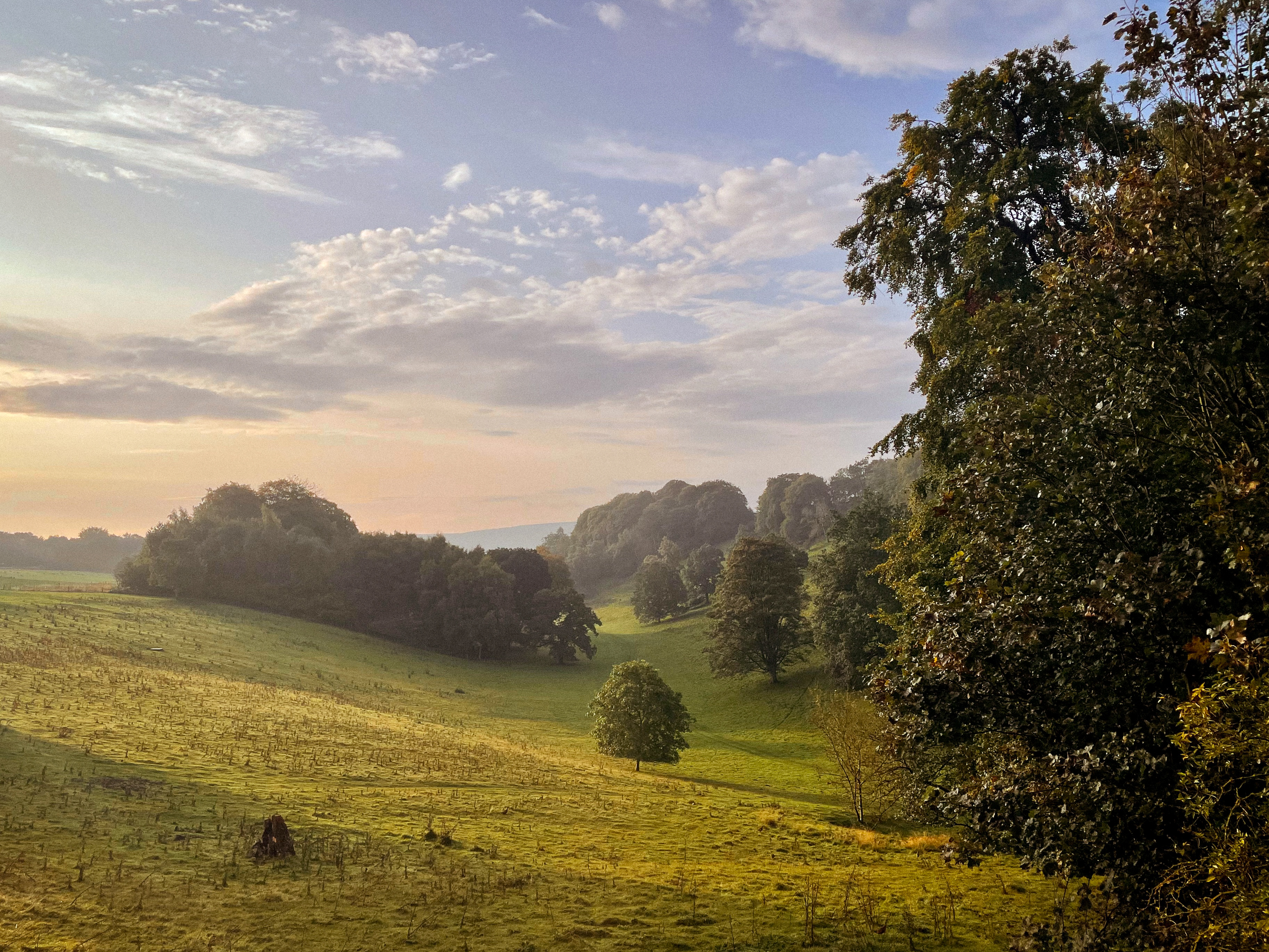
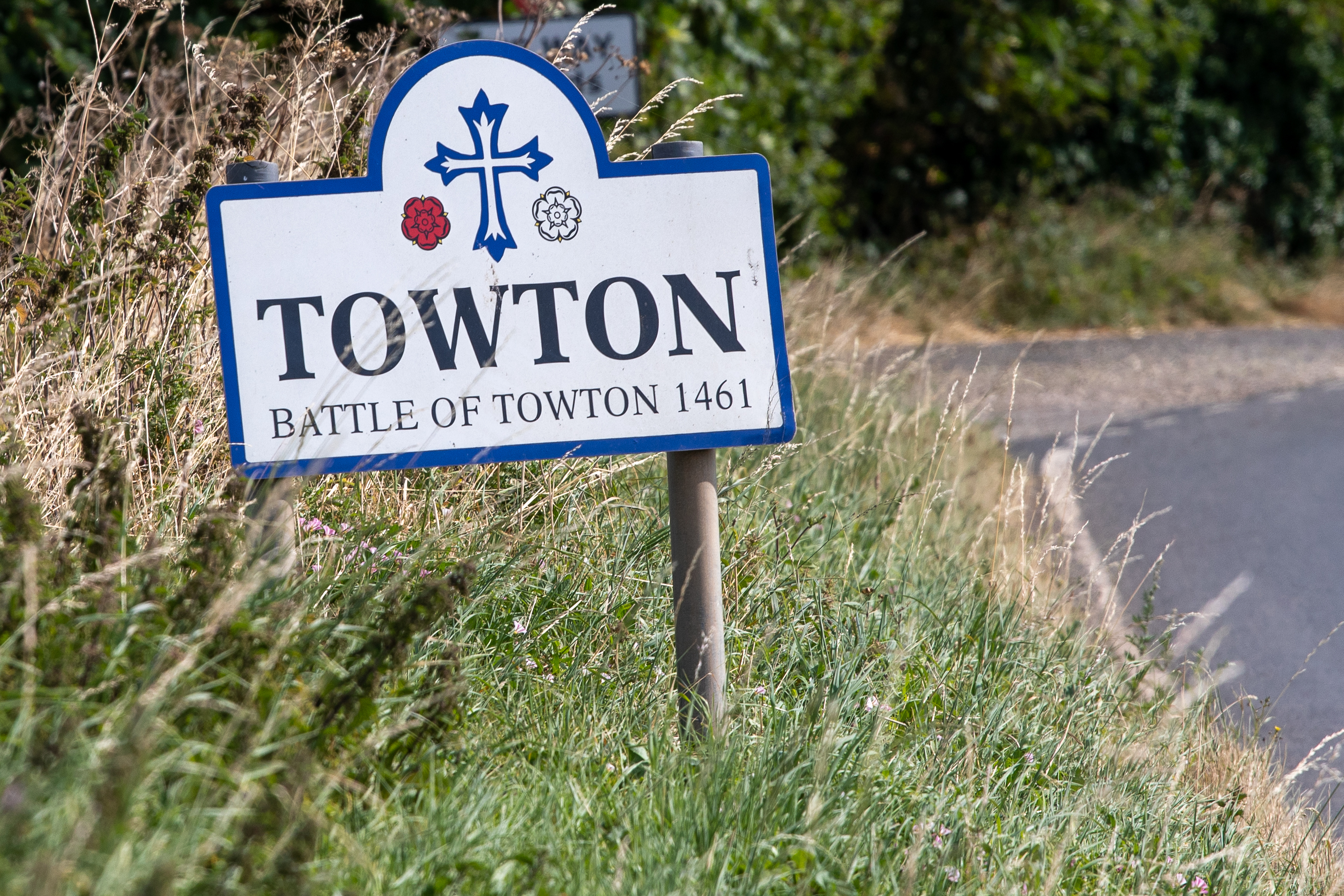
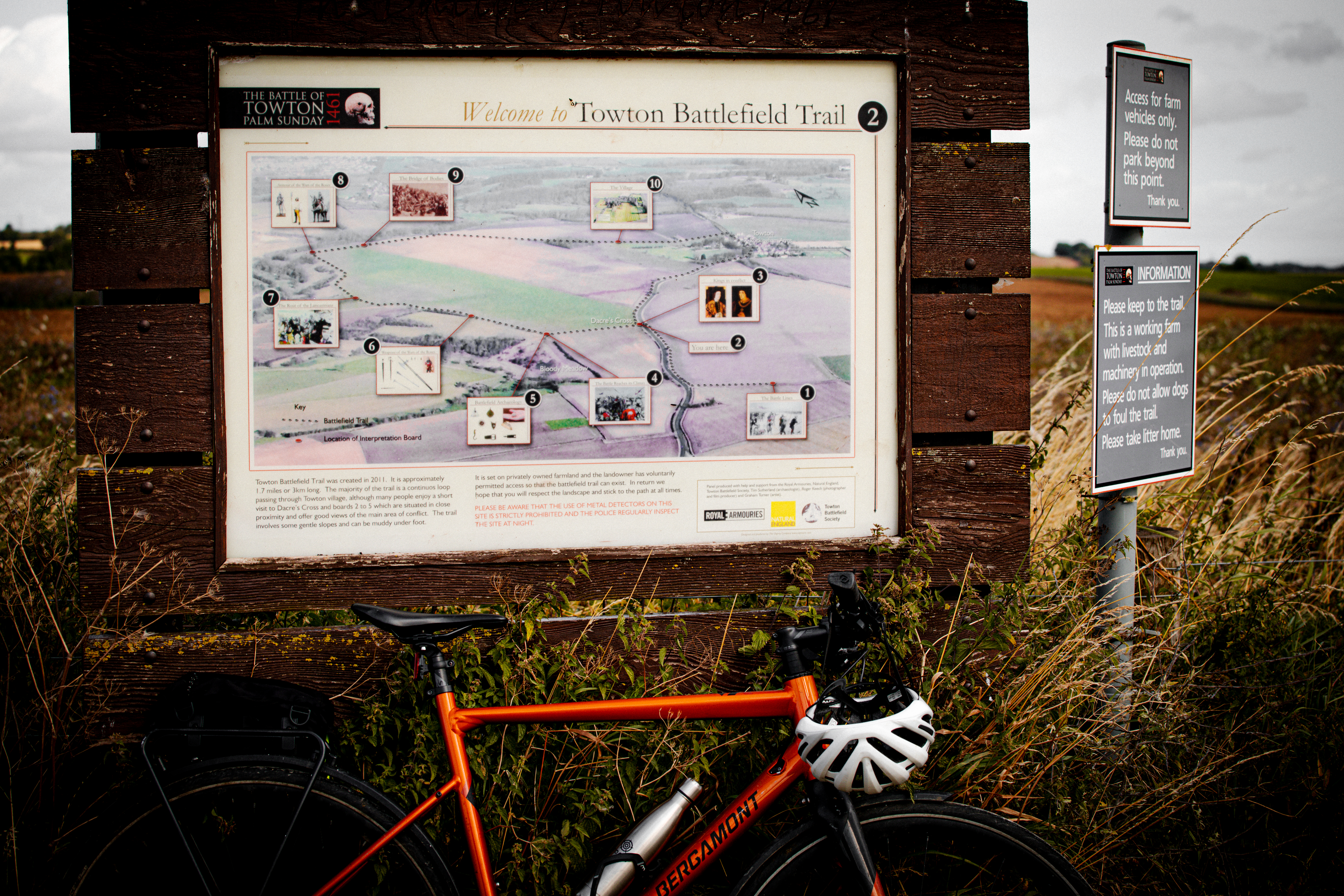
I had wanted for some time to visit the town of Towton. Not so much the town itself as for the fields which rise above it on the way to Saxton. Here a battle took place in the 15th century which may have cost more lives than any other conflict on English soil. It was part of the War of the Roses, and some estimates claim that 28,000 Lancastrian and Yorkist soldiers lost their lives in a single day. Over time the signs of battle have vanished from a landscape now given over to agriculture. It cannot be claimed with certainty where the spot lies on which the warfare took place. However, on the 29th of March 1461, during a snowstorm, two mighty armies clashed and laboured for several hours to prevail. It was Palm Sunday.

This battle is a central event in Shakespeare’s Henry VI part 3. The exhausting and bloody nature of a conflict in which the armies were evenly matched is expressed in words the Bard gives to King Henry:

Now sways it this way, like a mighty sea
Forced by the tide to combat with the wind;
Now sways it that way, like the selfsame sea
Forced to retire by fury of the wind.
Sometime the flood prevails, and then the wind;
Now one the better, then another best,
Both tugging to be victors, breast to breast,
Yet neither conqueror nor conquerèd.
So is the equal poise of this fell war.

Shakespeare, W. Henry VI part III, Act 2 scene 5.

Gazing across fields, above which huge clouds pass serenely, it is hard to imagine the butchery that took place here more than half a millennium ago. The loss of life is all the more extraordinary given the weapons available at the time. War was a matter of sustained labour, with sheer physical force being the principal means of achieving victory. Being a soldier required strength and stamina and the chances of survival were poor if you were injured in any way, as the medicines of the time had limited effects.

In Macbeth, Shakespeare describes another military encounter, also finely matched: “Doubtful it stood, As two spent swimmers that do cling together And choke their art”. This would be a fitting description of the struggle across the fields near Towton. Perhaps, in some cases, there are worse things than an immediate and crushing defeat. The attrition of balanced forces was devastating for the communities involved. At the time of the battle England’s population was under 2 million and the losses of the day may have amounted to more than one percent of the nation’s inhabitants. Inevitably, this figure would have included an even greater proportion of the able-bodied men of the time.

Today, the fields above Towton look no different from the the arable land that stretches east towards York and west towards Leeds. The history of the place is told on a couple of display boards with a trail that takes visitors across the most likely places of significance during the battle. The devastation of this domestic conflict is long disappeared, but it has become a place for people to visit and contemplate the history of warfare, politics and – it is to be hoped – the continuing necessity to labour for the peaceful resolution of conflict

Lancashire Low

It’s probably a phrase which means nothing to all but a few people today, but ‘Lancashire Low’ was once a term applied to the character of the worship offered in the churches of that county. I heard it first when speaking with an ‘ACCM selector’. These figures were the driving force of the Church of England’s process for selecting candidates to train for ministry. Having lived all my life in Lancashire this description came as news to me although, intuitively, I recognised what it was describing. Not high up the candle ‘bells and smells’; nor ‘happy clappy’ evangelicalism, but a fairly sober, minimalist and no-frills approach to divine service. During my childhood and adolescence, as the C of E began to experiment with new liturgies, this character was beginning to change. Perhaps most notably, the Eucharist was becoming the most central act of worship, and a variety of vestments were beginning to be used more widely.

“the Lord’s Supper is a sacrament of our redemption by Christ’s death; it is not only a badge or token of our profession, but rather a certain sure witness and effectual sign of grace and God’s goodwill towards us, by which He doth work invisibly in us, and doth not only quicken, but also strengthen and confirm our faith in him”.

Mary Astell (1668-1731)

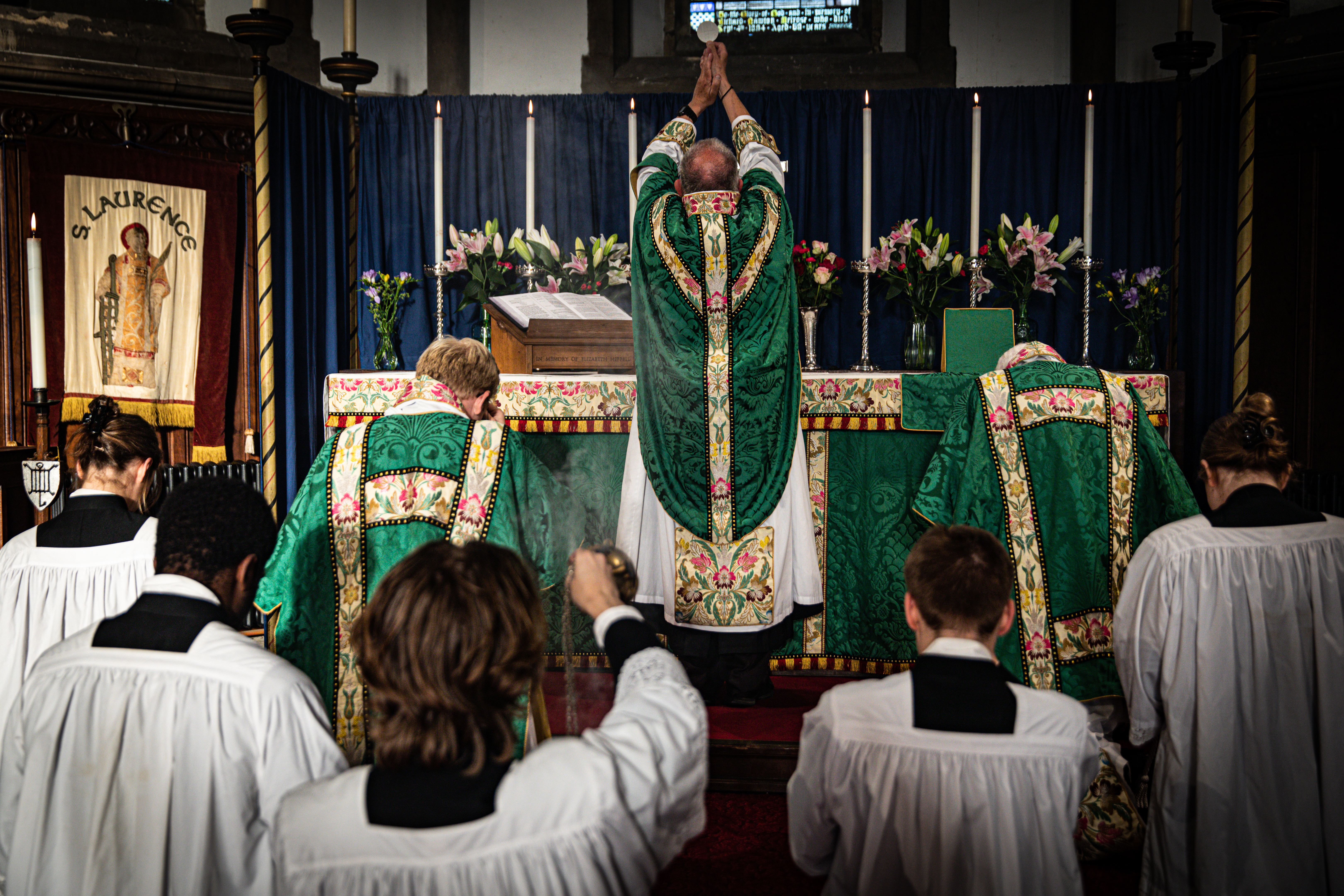
One of the parishes in York which I am supporting on Sundays could not be further removed from ‘Lancashire Low’. The church of St Lawrence, a few yards outside the city wall to the east, was built at the time of Catholic emancipation to offer a High Church, Book of Common Prayer, liturgy for people who might otherwise have been attracted across the Tiber. On Maundy Thursday, when the church is stripped of all adornments, the vestry overflows with the sheer quantity of vestments, candles, hangings etc. etc..

Despite the disparity between the church of my youth and this particular church, there are many interesting features in the character of St Lawrence’s. Firstly, located in an area of significant student accommodation, it counts many 18-30 year olds in its congregation. As is the manner of High Church liturgy, there are lots of ways for these young adults to get involved, for example, in the choir or serving. Perhaps in an age when choice continues to be elevated as the principal virtue, the given nature of the liturgy – its specification and detail – holds a counter-cultural appeal. Also, in a world of words, the presence of fabrics, colour, smells and bells, offers an in-person sensory experience that is welcome and appealing. All too often, when I assist at other churches, there is only the vaguest awareness of a pattern or tradition. “Wear what you like” can be the unhelpful response when I ask about the usual clergy attire for conducting the service. More often than not there are no vestments at the church or, if there are, the sets are incomplete.

Unusually, with an immense amount of hard work by dedicated laity, this church has been transformed from near-closure to become one of the better-attended churches in the city. There has been a sustained commitment to weekly Evensong on Sundays which has established a strong choral reputation and can see attendances reach a hundred. Generous gifts and successful grant applications have put the fabric of the building back into good order. None of this has been easy, not least because many students are only with the church for a few years while some, however, have decided to make York their home and continue to worship and assist at the church.

It is not possible to convey the Gospel, or help people shape and develop their religious life, without contact and engagement. Over many years the church of St Lawrence has done the hard work of building student engagement and outreach. Despite the assumption of many people that a church using the Prayer Book would be destined to failure, the opposite has been true. This is not without risks, as there can be a temptation in any tradition to see what is at hand and miss that to which it points, but you can’t get somewhere unless you start somewhere. In recent years several young men and women have entered on a journey of vocation leading to ordination. This is a church that has an ebb and flow of involvement, but it is unlikely – whatever happens in the future – that people will forget the experience of worship into which they are invited and immersed at a formative stage in their lives.

Grievous Sickness

It is approximately 4½ years since COVID first appeared. I am unconvinced that any of the hard work required in order to learn lessons from a profoundly difficult experience has taken place. I’m not referring to the various national inquiries that are underway, but to the more everyday reflection which generates learning and change. It would appear, as soon as we possibly could, we were desperate to return to the world we inhabited prior to 2020. All the rhetoric of care and compassion that sprouted during the darkest days of COVID-19 seemingly vanished as quickly as it came.

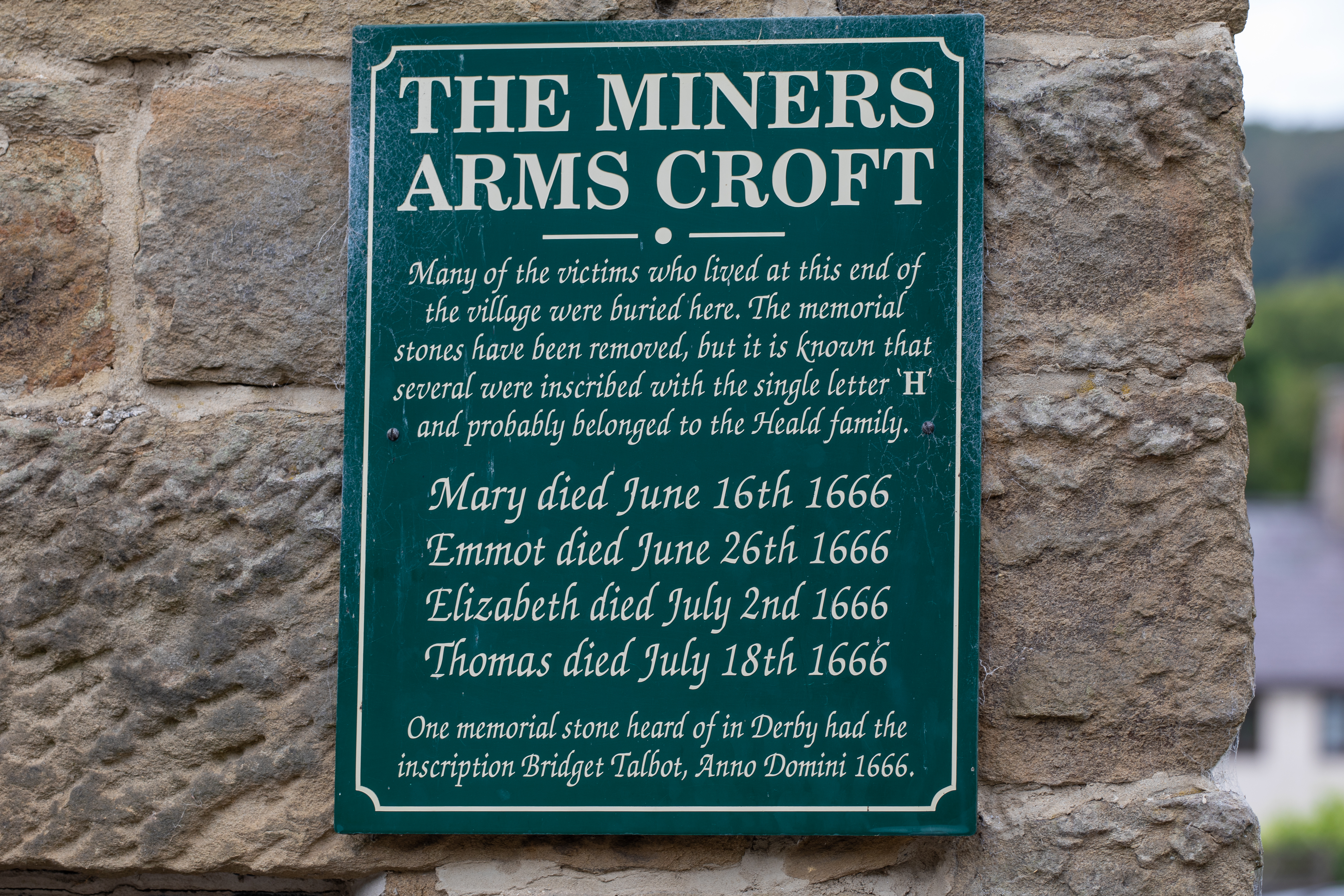
For the world, the effects of COVID were not as devastating as diseases in earlier centuries. Visiting the plague village of Eyam, in Derbyshire, I was reminded about the scale and consequence of the plague. At one house in the village only a single person survived the arrival of this deadly disease, and by the time it was over she had lost 25 relatives (including in-laws). Such a degree and speed of loss is beyond comprehension. While there were a few cases of multiple COVID fatalities in a family, these are remarkably rare. For example, one family experience 4 deaths due to the virus – a truly devastating experience for the family concerned.

Houses in Eyam tell the grim facts of what took place in 1665 and 1666

It is more than 350 years since the village of Eyam endured a sudden and apocalyptic rise in the mortality of its inhabitants. The ability to understand what was emerging, and devise a strategy for isolation and containment, was rudimentary. It is impossible to know how many deaths the world would have seen if COVID had spread abroad in the 17th century. In the 21st century we met the emergence of the virus with rapid progress in the development of vaccines. Knowledge about society and modern communications enabled some support to be offered and applied. Yet, as the first report from the UK COVID Inquiry makes clear, there was so much more that could have been done to mitigate harm. We had, with Pythonesque thinking, prepared for the wrong pandemic.

Speaking in response to the publication of Module-1 of the COVID Inquiry, Pat McFadden (Chancellor of the Duchy of Lancaster), shared with Parliament his thoughts for all those bereaved by COVID. He said that: “Their grief and the nature of their loss is harrowing, with so many loved ones lost before their time”. I think that these remarks are wise and sensitive. When the Government gave daily reports about the rising number of COVID deaths there was no accompanying statistic about the number of people denied access to their loved ones immediately before, and at, the time of their death. There were no figures about those unable to attend a funeral because the numbers were restricted. The sum total of altered rituals, and final farewells denied, will never be known.

There are many more lessons-learned that will come from the COVID Inquiry. The question is, do we have the desire and appetite to absorb those lessons and make changes that will protect more infection-vulnerable communities? COVID has not gone away, and some people continue to experience very debilitating periods of illness. At the moment, at least from a media perspective, this does not appear to be on our radar.

Back in March 2020, when the scale and consequence of the pandemic were becoming apparent, the poet Simon Armitage wrote a piece reflecting on the experience of Eyam. At that stage his hopeful and poetic focus was on the task of patience, and living through COVID knowing that, inevitability, it would pass – as all pandemics do. Taking the example of Eyam he celebrates many acts of individual and collective courage, as well as personal sacrifice, which came to confer on the Derbyshire village a revered status. It is impossible to quantify the number of lives saved by the villagers’ agreement to quarantine.

“the journey a ponderous one at times, long and slow
but necessarily so”

Simon Armitage, extract from “Lockdown”

It is not easy to be patient in a time of danger and uncertainty, and understandable that those who live through it wish to forget it as soon as possible. However, the risk of doing this is that we fail to learn important lessons and reflect properly on the society in which we wish to live. Perhaps it is not too late, and the publication of further Inquiry Modules will provide a basis for us to see clearly how vulnerable people were sacrificed. Already, it has been made clear that the impact of COVID “did not fall equally”. That alone is a fact that should help us to reflect on why some groups in society are deemed to be of lesser value than others.

Lines and Labyrinths

During our recent sojourn in Spain we visited the Centro de Arte Caja de Burgos. The exhibition currently on show comprises various works by the Swiss-born artist, Pablo Armesto. A key theme across the works is the use of light, shapes and, consequently, the implication of shadow. To quote Armesto: “Between science, geometry and spirituality, this is how I conceived this exhibition”.

This exhibition appealed to me because of the interaction of light and material surfaces. It is executed beautifully, and serves to remind us that casting a particular light can change completely the underlying structure on which the light falls – or doesn’t. In other words, by illuminating some threads rather than others the surface appearance can be changed radically. Our eyes are drawn to the light and the form it implies, not the unlit shape of everything underneath. As the commentary on the exhibition says, these are “installations in which light and shadow transform the chromatic perception of the viewer”. Here lines of light address our perception:

“The line is a metaphor for the path, both physical and allegorical, sometimes traveling parallel to the initial idea, sometimes divergent when it has to choose between different options, but never schismatic, never discordant”.

Pablo Armesto

The title for the exhibition is “Complejidad, araña, laberinto”. I think that this is best translated into English as “complexity, spider-webs, labyrinths”. This phrase comes from a poem by the Andalusian poet Rafael Alberti, entitled “a la linea” (‘To the line’). While a line may sound a modest thing to be the subject of a poem, Alberti reminds us of the joyous capacity for it to be a “beautiful expression of the different”. Certainly, in Armesto’s installations, the vibrancy of illuminated lines could not be made clearer. It reminded me of the well-known comment by the artist Paul Klee, in his Pedagogical Sketchbook of 1925, that he was engaged in “taking a line for a walk”.

A circle of light created with the use of curved lines – by Pablo Armesto

The recent work I have been doing about Laurence Sterne includes the representation of a physical gesture – the waving of a stick – in volume IX. It is nothing more than a squiggle; a pen-line dancing across the page. It is used to express the notion of liberty and is, perhaps, the representation of the neat text going ferrel. A reminder that the careful shaping of ink that allows us to see letters and to read them, is made of the same stuff as this dramatically inserted hieroglyph. Different forms of the same material may shatter our expectations and leave us wondering what will come next. Art has this capacity to subvert our smooth reading of life and question the solidity and what we see. Like Sterne, Armesto’s filaments stretch our imagination, providing an intense optical experience and stimulating our thoughts about patterns – whether they are there, or simply the imposition of our expectations on the otherwise chaotic things we behold.

Truth Stretched Thin

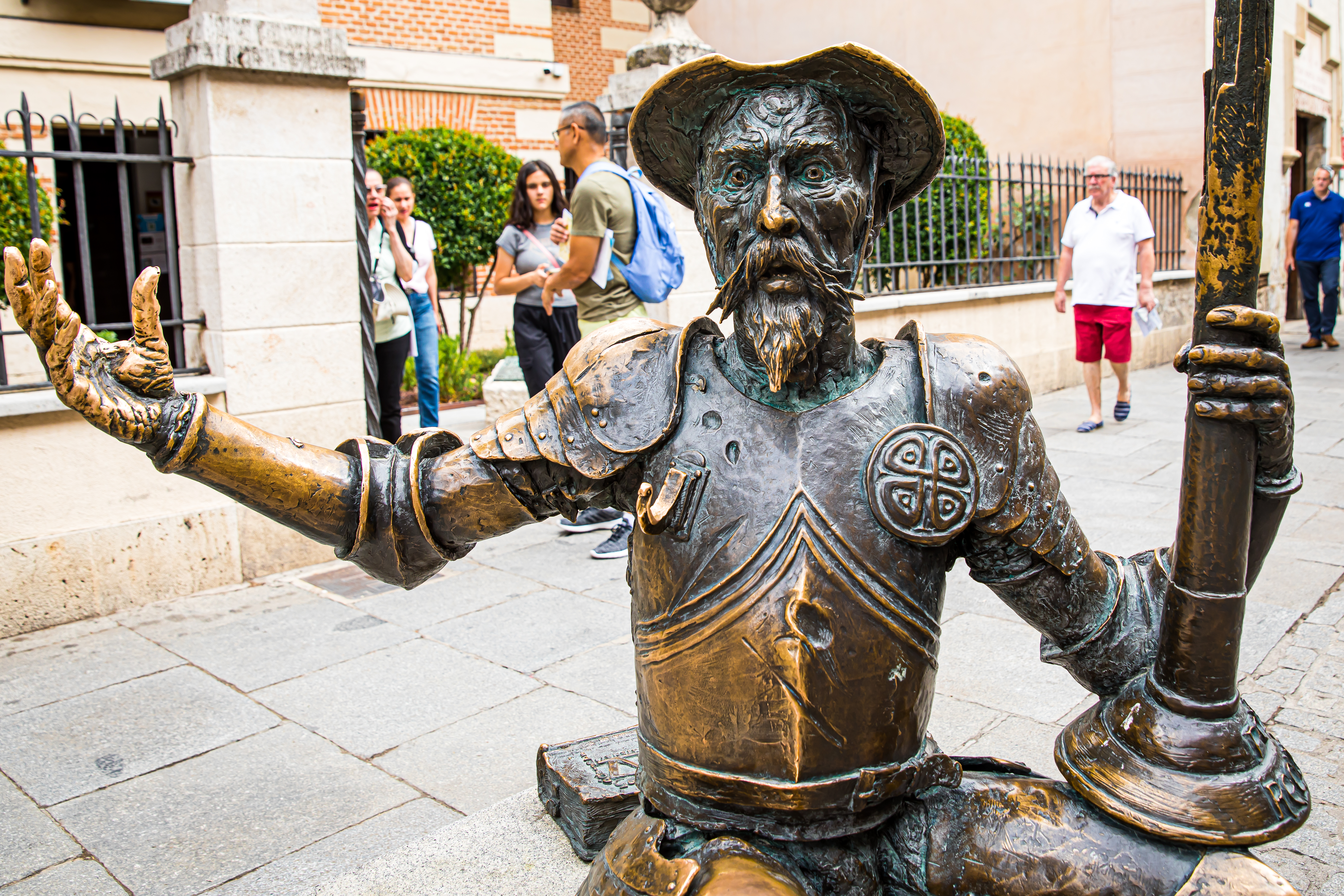
I love visiting Spain and Spanish-speaking countries. Ever since spending a year in South America in my early 20s, and acquiring a feel for the language, a small part of my growing up was rooted in hispanic culture. A recent trip to Spain brought introductions to new cities, including Burgos and Alcalá de Henares. The latter visit arose from a longstanding wish to see the birthplace of Spain’s most distinguished writer, Miguel de Cervantes Saavedra. The author of Don Quixote was born there in 1547 and it is where he spent the first four years of his life. Understandably, alongside his former home which is now a museum, the city celebrates its famous author in numerous statues, street names and public institutions. Don Quixote is considered to be the world’s first novel in the modern sense of the word.

Given the date of his birth and the febrile politics of a recently re-conquered Spain, Cervantes was born into a world in which it had been decided that the co-existence of faiths was intolerable. In 1492 the Muslims and Jews who had not converted to Christianity were expelled from Spain. Those who had converted lived amongst neighbours who, very often, sought any sign that the conversion was one of “convenience” and would report people to the authorities. This was the time when the Inquisition was in full force and those who converted were keen to appear compliant. Many years ago, while participating in a canyoning activity north of Almuñécar, in Andalusia, a young instructor accompanying us told me that his surname was the same as the name of a local village. His family’s story was that they had been Jewish and, like many of the converts who remained, they took the name of a local town in order to immerse themselves in Christian Spain and avoid suspicion. Such practices were commonplace.

There is a claim that the family name of Cervantes came from a town of that name in Galicia, and may have been taken for reasons of conversion. However, this is far from certain. The proximity of the Cervantes family’s home to the Jewish quarter of Alcalá de Henares might be a more persuasive argument for some kind of connection. Today, all that indicates the onetime presence of a synagogue and Jewish “corral”, as it was called, is a small plaque. Cervantes senior was a doctor and the family lived both opposite this old Jewish quarter and beside the city’s ancient hospital.

A statue of Don Quixote outside the house in which Cervantes spent the first four years of his life in Alcalá de Henares, near Madrid

Initially, after the Reconquest, the Jewish community experienced relative security compared with other European countries. This did not endure.

“Yet Jews were still better off than their Ashkenazic brethren in the rest of Europe who were expelled from England and France and faced continuing and unrelenting pogroms and persecution in Germany and Central Europe, eventually driving them eastwards to Poland and Lithuania. The Christian rulers of Spain exploited the skills of their Jewish subjects and a thin layer of upper class Jews remained wealthy and influential. The Jewish population of Spain generally still felt comfortable there. After all, they had lived as Spaniards for many centuries. Why should the situation change now?”

The Spanish Expulsion from the Jewish History website accessed 28/06/24

Perhaps the strongest argument that Cervantes had Jewish ancestry comes from evidence internal to Don Quixote. In an excellent BBC World Service edition of The Forum scholars argue that in his novel there is “an implicit cultural critique” which questions, as far as it can, some of the negative narratives about the descendants of Muslims and Jews still living in Spain. In a section of the novel where Don Quixote is in Toledo, he seeks and finds someone to translate a text in Arabic. By showing the continued presence of Hebrew and Arabic speakers in Spain Cervantes put in doubt the official story of a single, homogenous, Christian culture.

Out of the troubled waters of post-reconquest Spain Cervantes created a story capable of finding a broad and appreciative audience. Don Quixote might be seen as a kind of Rosetta Stone, enabling different communities to discern for themselves an intelligible and constructive place in Spanish society. That is no small feat, and the unparalleled significance of Cervantes in Spanish culture bears testimony to his achievement in enabling humour, insight and compassion to leaven the complex experience of living in a society where the past was an ever-present and potent challenge to the present.

“The truth may be stretched thin, but it never breaks, and it always surfaces above lies, as oil floats on water”.

Don Quixote

Those who do not think as we do

I am standing in a Spanish market town which looks like so many others which I’ve visited over the years. As it happens, by longstanding tradition, Monday has been market day from time immemorial. However, on Monday April 26th 1937 – about a month after Easter – it was a day like no other. From 4 pm, and lasting for several hours, German and Italian planes bombed the hell out of Guernica. The buildings consisted mainly of wood, and the aircraft first targeted the town’s water tanks and fire station. Those who attempted to flee into the countryside were strafed by German fighters circling the drop zone of the bombers. It is estimated that with visitors to the market from nearby Bilbao, there were 10,000 people in the town that day. Three days after the attack the forces of General Franco occupied the town and, consequently, it is very difficult to know the true human cost of this atrocity. The most likely figures estimate 1,645 dead and 889 injured. Given the length and intensity of the attack these numbers may be underestimates, but we shall never know for certain. Due to the longevity of Franco’s reign independent data-gathering and interviews with survivors only took place long after the destruction of the town.

Guernica had no air defences. In fact, there was nothing in the town which could have responded to an attack from the air. Without fear of their own losses, German and Italian forces reigned down terror – and this was a primary goal of the mission. It communicated around the world that Axis forces could, and would, attack civilian targets with impunity, wherever it was deemed necessary. Reducing a town to rubble simply became one strategy in the ambitions of conquest which the dictators desired and sought to enact. It was a powerful example to anyone contemplating resistance about the cost of non-compliance.

“It is necessary to spread terror,” General Emilio Mola declared on 19 July 1936, just a day after the coup began. “We have to create the impression of mastery, eliminating without scruples or hesitation all those who do not think as we do.”

General Emilio Mola quoted in “Guernica” in the BBC History Magazine

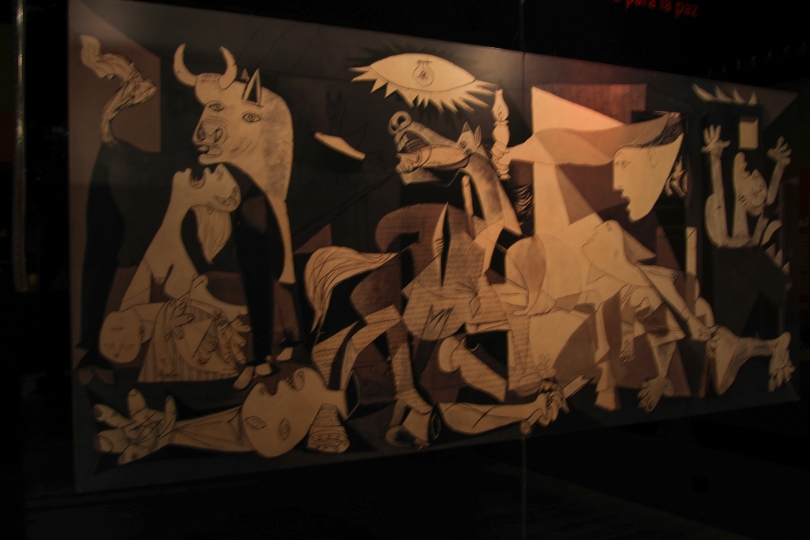
It was the event which inspired what has been described as the last political masterpiece of art, Picasso’s Guernica. Visiting the peace museum in the town there are several representations of Picasso’s work, set alongside many photographs of the destruction left behind. As with Ukraine and Gaza, and so many other places, the piles of rubble and scorched buildings stand as symbols of desecrated communities. There are always narratives that seek to find excuses for such actions. “Local people were sympathetic to terrorists; they sheltered them; they conspired with them”: therefore the cost they have paid is entirely proportionate. Only the delusional can believe that the eradication of schools; hospital and places of worship will bring about an enduring peace. Instead, it plants in the hearts of the survivors, and especially the young, a determination fuelled by a loss which seeks justice by all available means. These fires burn long, long, after the incendiary devices have done their worst.

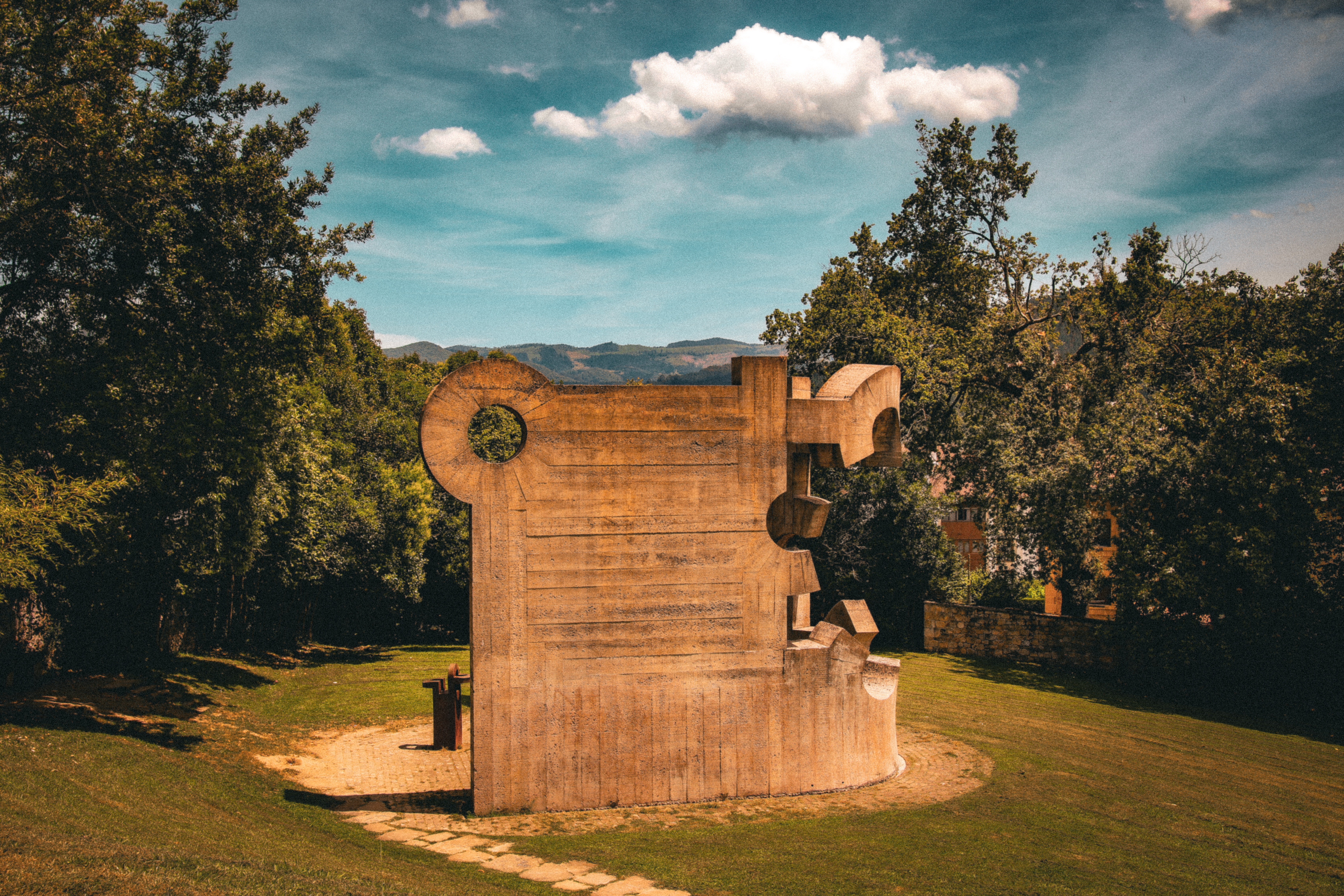
In Guernica’s ‘Park of the Peoples of Europe’ are works by the Basque sculptor Eduardo Chillida (pictured) and Henry Moore. Chillida’s piece (pictured) is entitled “Our Father’s House” and was commissioned to mark the 50th anniversary of the bombing.

The desire to eradicate difference is perhaps one of the most pernicious threads pulled through the most shameful parts of human history. When our arguments don’t prevail, or people seem unreasonably stubborn to retain their language or culture, let’s simply bomb them into submission. What we never seem to learn, despite the beguiling simplicity of this approach, is that it doesn’t work. It perpetuates hatred and drives culture underground, not to extinction. If a fraction of the energy and resource that went into war were taken to promote peace, we would live in a very different world. It took the horrors of WWII to create the United Nations, and several other institutions dedicated to promote understanding, peace and reconciliation. At some point, God willing, may we find in the aftermath of today’s destruction an equal determination to seek peace and pursue it.

Shameless

Many businesses have compliance officers. It is the responsibility of these members of staff to ensure that a firm complies with all the legal and regulatory requirements laid upon it. However, I am going to suggest that there is a different understanding of compliance which is a significant dimension in the various scandals that have come to light in recent months. Whether it is the Post Office, or the entire system of politics and health care provision, in the case of contaminated blood, something has led seemingly intelligent and responsible people not only to fail to act, but to actively work to suppress concerns and continue with dangerous treatments for which other – safer – options were available. What has led these people to comply with behaviours and a culture they knew to be wrong?

Organisations are very good at suppressing criticism. Even when there are good policies and procedures for raising concerns, unspoken influences shape the course of action people feel able to use. For example, without overwhelmingly compelling evidence – and other willing witnesses – the balance of power sits with management. Managers organise rotas; authorise annual and compassionate leave requests; they write appraisals and references. Suggesting that something is wrong means that a manager has allowed something to happen under their watch; been so ill-informed as to be unaware; or are directly complicit in some aspect of a negative culture. In all circumstances it is a risk to whistleblow, whatever paper assurances exist in corporate policies. Even if nothing negative happens at the time, managers may salt away their feelings about the employee and save their retribution for a future time when their action, and past events, can no longer be connected.

Sometimes chaplains fail to recognise these dynamics and express their views with naive candour. I have known several chaplains over the past couple of decades who decided to raise a concern directly with a CEO or organisational chair. This may be no bad thing, but it can irritate all the managers they have cut out between their organisational position and the top of the chain. Perhaps, in the spirit of naval chaplains, the chaplains regard themselves to be the equal of whoever they happen to be addressing. In some cases they have not even bothered to voice their concerns internally but, in the first instance, have gone to an external party. This kind of behaviour was picked in early drafts that led to the NHS England chaplaincy guidance of 2003, Caring for the Spirit. At one point there was text to the effect that chaplains could offer critical insights about an organisation, so long as this did not come as a surprise to that organisation. In other words, chaplains should escalate things internally before writing to their bishop etc..

The problem with internal escalation is that it can be stimied in a number of ways. I have seen on many occasions how the legitimate concerns of a chaplain have been reinterpreted and dismissed while, at the same time, subtle changes may have been made quietly in the background. While it is good that a chaplain’s observations might help put things right, it may also have marked the chaplain out as a troublemaker as far as management was concerned. Organisations possess a gravity that bends behaviour towards various degrees of compliance.

Watching the recent questioning of the former Post Office CEO, Paula Vennells, I was struck by the complete absence of shame in the testimony. There were tears; apologies; and a lot of regret that she had been poorly advised, but no shame. This was an organisation that persecuted and prosecuted its own staff; trusted a faulty software programme more than people; and defended its wrongful actions long after it was clear that reasonable doubt existed about Horizon. At least one person caught up in these horrors committed suicide, and many others were falsely imprisoned. Surely the person who sat at the top of such an organisation, receiving an enormous salary and bonuses, would be ashamed to say they were in charge? Yet that was not the impression given during the testimony.

“A certain kind of shame is valid in its proper context. If you do something morally wrong – steal a colleague’s idea or make a promise you don’t intend to keep – you should regret it, feel guilty, even ashamed of your actions. That’s not unhealthy. It might lead you to apologize and might prevent you from doing it again”.

This Leadership Motivation Is Toxic. Here’s Why You Shouldn’t Do It by Erica Ariel Fox, Forbes Magazine 5 December 2022

All this suggests that the training and formation of senior managers gets so invested in processes and operating systems that some of the core humanity of leadership gets left behind. In the case of the Post Office, the voices of staff working in the branches were given remarkably little weight. To meet financial targets, and defend an eye-watering investment in Fujitsu, people were simply thrown overboard. If that isn’t something a leader should feel ashamed about, then our selection and development of leaders needs a serious overhaul.