
I have begun experimenting with artificial intelligence. Using the available free programmes I am exploring how AI might be used, and what risks or concerns need to shape my approach. It is fascinating – if a little disconcerting. For example, last week I resurrected the towering Anglican Archbishop of the 20th century, William Temple. I asked ChatGPT what Archbishop Temple might say to the Church of England today. At lightening speed, after presumably trawling all available Temple content in cyberspace – and assessing the state of the Church of England today – the headline answer emerged as follows:
Temple might say:
“The Church must never be merely the chaplain of the comfortable, but always the conscience of the nation. We are stewards not just of grace, but of justice.”
From what I know of Temple’s writing, and my awareness of the Church of England today, this isn’t half bad, or inconsistent with Temple’s thought. Who else might we resurrect to offer their historical voice to the contemporary world?
As any tutor will tell you, AI is plaguing the world of academia. Not only are students asking programmes to write their essays, but as a consequence, numbers are falling in lectures. Why bother going to the class if you aren’t going to be the one producing the work? One of the greatest challenges for markers is spotting and addressing an excessive use of ChatGPT. After all, this is not plagiarism. AI produces unique content depending on the question asked and the time of asking. I imagine, as time goes on, that AI will become bespoke and personalised for the user, mimicking their mistakes and linguistic styles. This will be all but impossible to identify and may be the path back to some element of supervised examination.
If not plagiarism, then perhaps AI is best described as forgery. I have no idea whether my blogs have been mined by AI, or my books scanned and absorbed. In generating Temple’s pithy comment to the CofE today, AI hasn’t copied his words – but created them based on what cyberspace contains of Temple’s own work and the many commentators on his theology and public statements. This is why it is becoming so difficult to tell fact from fiction and, into this space of doubt, a whole world of mischief can be wrought. When something sounds so like someone, how do we know if it is true? Similarly, it casts doubt on photographs and their authenticity which, in somewhere like Gaza, can both undermine genuine evidence of war crimes and simultaneously manufacture material that conceals what is going on.
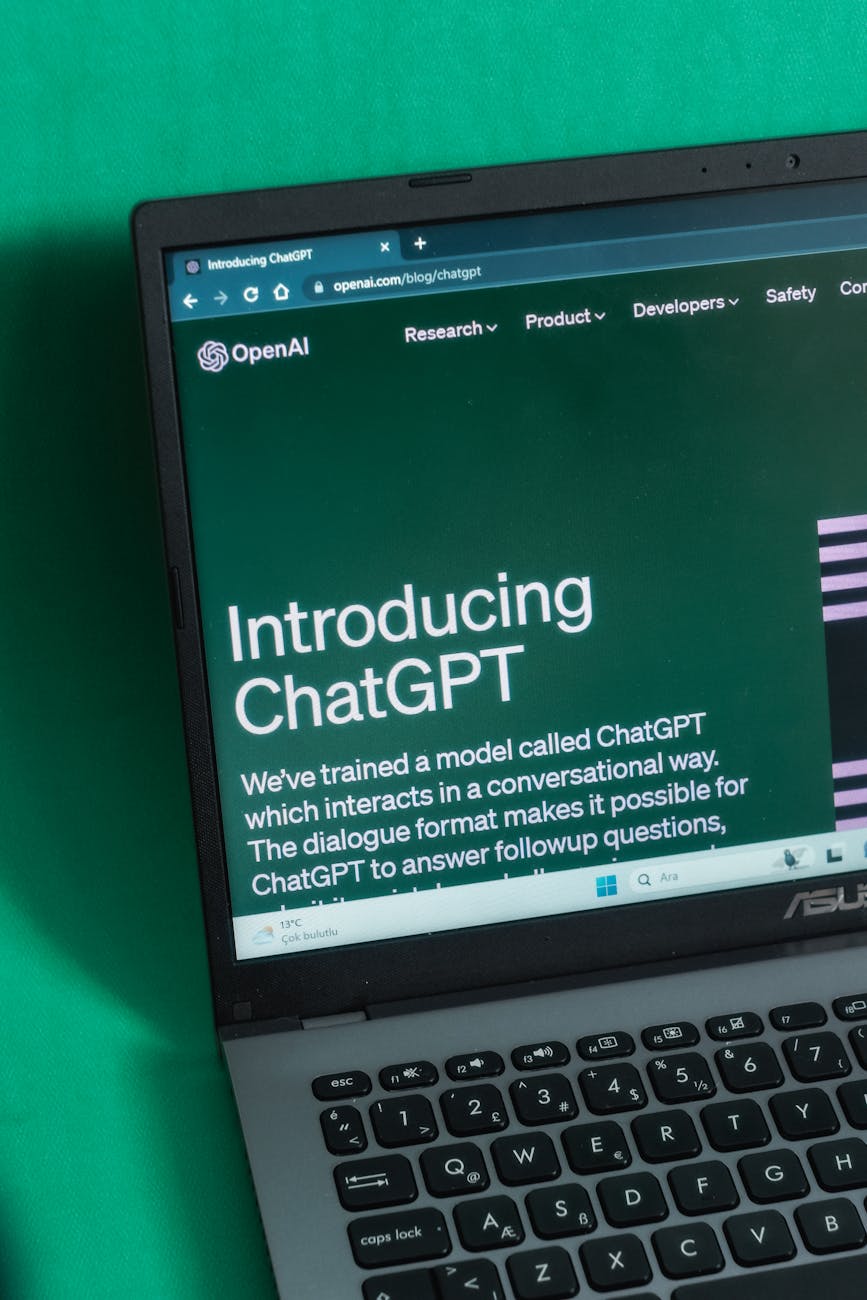
Undoubtedly, AI has arrived and is here to stay. The questions is, how are we to live in a world where the level of power and sophistication demonstrated by AI continues to grow. Media outlets like the BBC have an important role to play in fact-checking and evaluating the validity of information. They will not be perfect, but few individuals will have the time or skills to do this for themselves.
For better or for worse, I won’t be using AI to write or proof my blogs. Perhaps we need this kind of statement on material that is published, indicating the level of AI usage, from entire authorship to copy-editing. In the meantime, I imagine that everything I write will be scoured, consumed and used to inform the continuing development of artificial intelligence. Thoughts will increasingly emerge that are second-hand amalgams, seemingly undetectable forgeries that don’t arise out of direct experiences, but appear uncannily authentic. I wonder what would William Temple say about that?










 Swift Reflections