Being Well

With good reason there is a growing swell of concern about our mental health and wellbeing. Over a year into the pandemic, with no conclusive outcome in sight, there is a palpable cost to people’s sense of security, coherence and peace of mind. The first rallying response to the steep rise of infection and deaths in April 2020 has been followed for many by exhaustion. The King’s Fund has explored this through the lens of past disasters and produced an illustration of indicative peaks and troughs – a long and winding road.

Already there is debate over the reality of long Covid – reminiscent of disagreements about some other complex conditions. No doubt the debate about this will continue even as its effects become clearer over the course of time. What cannot be disputed is the simple reality that all our lives have changed. This is true all the way from the pocket-check before we leave the house (‘have I got a mask?’) to the relentless addition of zeros to the national debt.
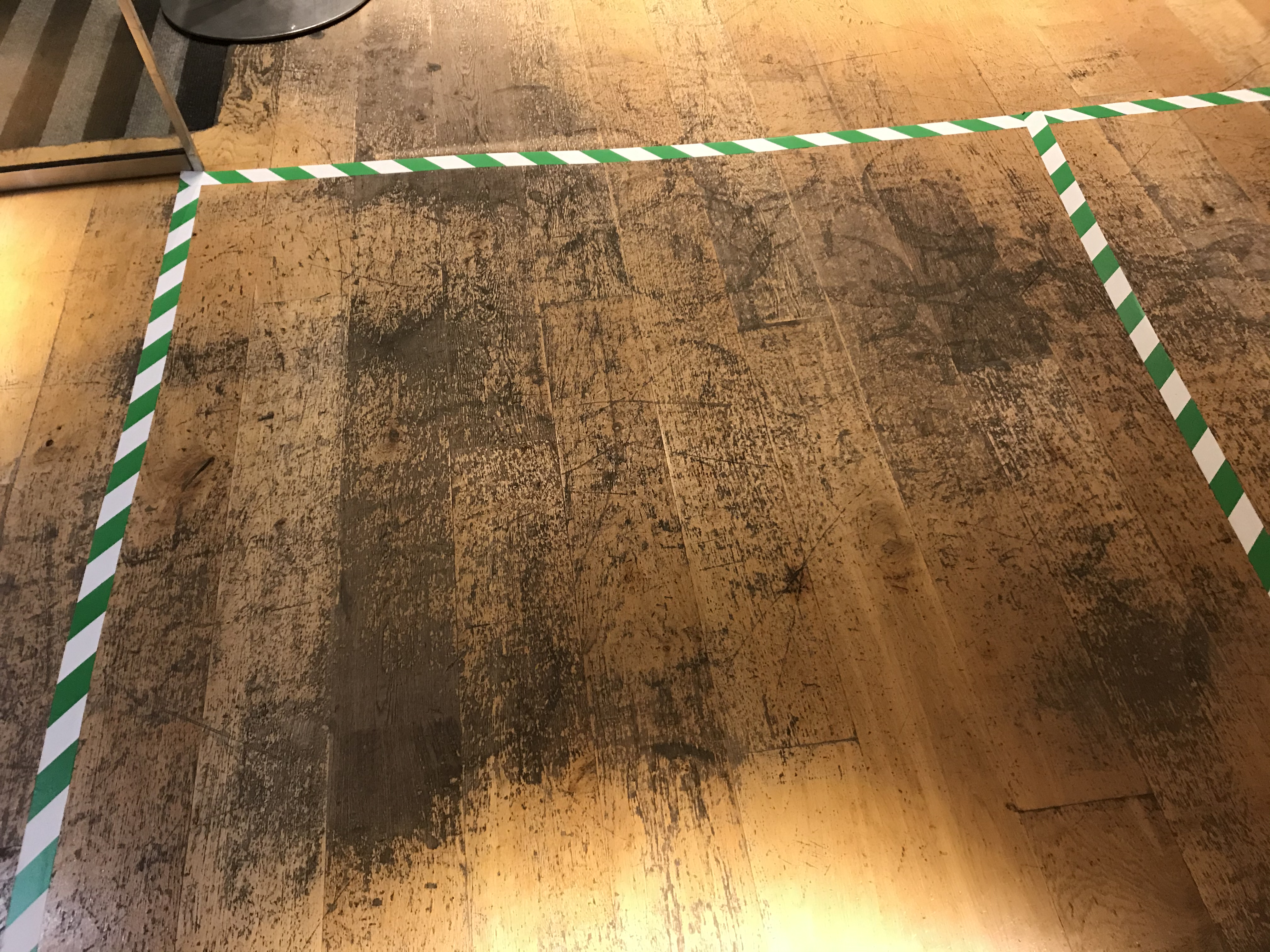
March 21 2020 – the day I encountered the weird appearance of a takeaway with ‘waiting boxes’ for those coming to collect their food

A new broadsheet in the UK is a rare occurrence, but in 1983 The Independent appeared with its own style and ambitions in the news industry. Around that time I was in Preston railway station juggling a bag, coffee and a copy of the new publication. I dropped it and a kindly stranger picked it and suggested that perhaps I wasn’t quite as independent as I thought I imagined.

Independence is a beguiling aspiration. If we could simply have greater control over our lives, choosing to do what we want when we want, then all would be well. Without a doubt there is plenty of this kind of thinking in our world, matched by a marketing machine ready to offer us the perfect solution – almost before we are conscious of our need. With algorithms and artificial intelligence, our anticipation and desires are nudged. The greener grass is just around the corner, if only we can afford the fare.

Life is a hospital ward, and the beds we are put in

are the ones we don’t want to be in.

We’d get better sooner if put over by the window.

Or by the radiator, one could suffer easier there.

From The Wrong Beds, by Roger McGough

McGough’s poem includes the line: “The soul could be happier anywhere than where it happens to be. Anywhere but here”. Perhaps more than ever, the pandemic has prompted the thought that we need to be somewhere else – maybe even in another time.
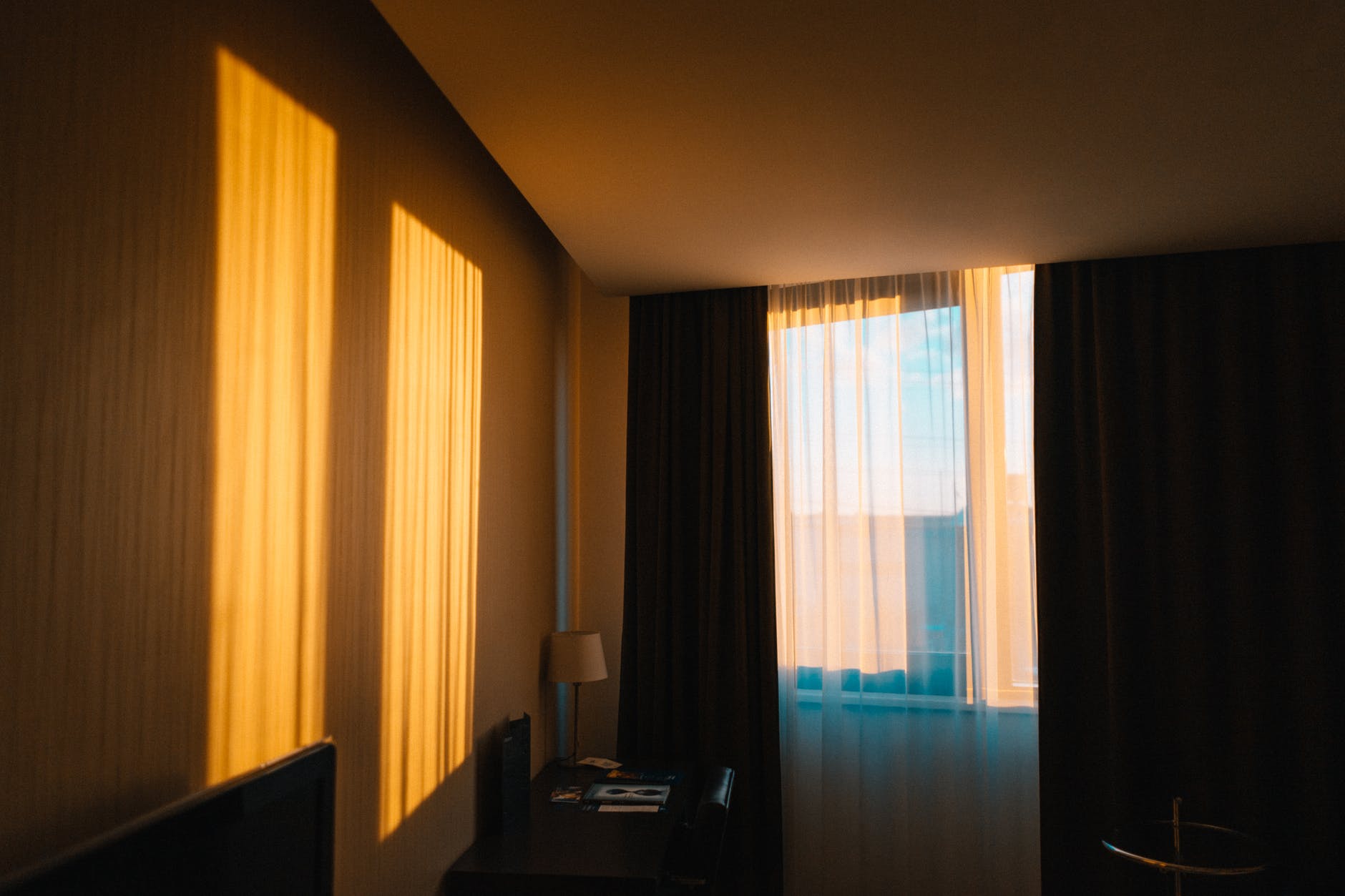
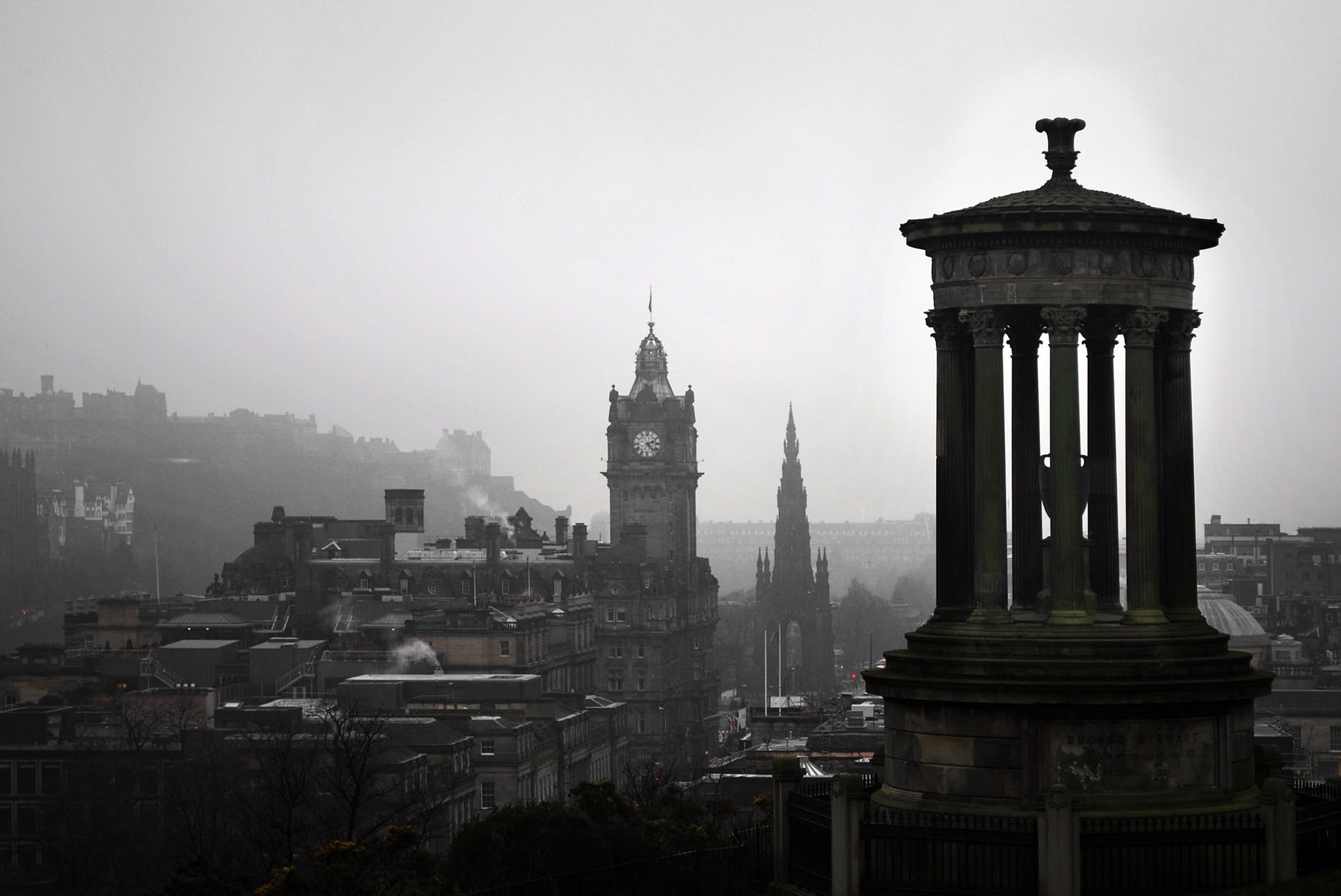
Photo by Lukas Rychvalsky on Pexels.com

When the flood of sickness subsides there will come a counting of the cost. The 130,000 excess deaths over 12 months; cases of long-COVID, both physiological and psychological; the economic debt; the emerging narrative of what has taken place. There will be a continuing focus on well-being as the bereaved come to celebrate lives and make memorial. The impetus for economic recovery and educational catchup may jar with the needs of people who require a pause and time to digest.

Much of the focus on well-being can feel individual and bespoke. There are countless initiatives to help people manage their emotional life and strengthen resilience. I hope that at the same time sufficient attention will be given to collective well-being and how communities can be guided to increase the mutuality of support to create the ecology in which people can be well.

A recent issue of the Times Literary Supplement carries a review of a new book by Frank Tallis, The Art of Living.

In his review Antonio Melechi notes the risk that the self-help and self-improvement culture born out of the pop-psychology of recent decades omits a critical ingredient. Focusing in the manageable and measurable, it has neglected the enduring truth that ‘the self is a social artefact’. As we move beyond this critical phase of the pandemic, there will no doubt be a flourishing of tips and tactics to make us feel better, calmer, more resilient. None of which will deliver the promised goods unless we also live in communities which are life-giving, creative and supportive.

Rather than forever longing to be in a different bed can we find common cause to make it a better ward; a better hospital; a better town? Maybe, when our endeavour is invested in community, we might find that coveting other beds is not quite so appealing. That being well can only truly be found in the well being of others.

Photo by Dio Hasbi Saniskoro on Pexels.com

A World Entire

The death of anyone represents the loss of unique experiences and relationships. People may have similar pathways through life, but they are never identical. One of my favourite quotes from recent years was in The Guardian and came in an article reflecting on the mind in a self-help culture. It touched on ‘solipsism’, the idea that the self alone is real. The humour reminds us that when someone dies their particular perception of the world – of us – goes with them.

The theologian Alvin Plantinga claims once to have visited a university department where one elderly, frail professor was a solipsist. “We take very good care of him,” a younger academic told Plantinga, “because when he goes, we all go…”

Oliver Burkeman in The Guardian 2014

Familiar figures pass out of life every year, with the certainty of an ebbing tide. Yet since March 2020 this has taken a dramatic turn for many, with losses far in excess of recent years. For some families it must feel less like the gradual melt than a sheering away of substantial heritage and personal association. I’ll never forget the family I met in the early 1990s who requested the simplest funeral I could arrange: they had attended too many in recent months. While COVID-19 may have taken far more people into the shadows of multiple bereavements, it has always been a feature in the lives of the few. At the same crematorium, on another occasion, I led the funeral of a husband and wife – dying just days apart from unrelated conditions.

We die with the dying: 

See, they depart, and we go with them. 

TS Eliot, Little Gidding

The departure of people who are prominent in our lives causes a moment of disturbance for many. When Nicholas Parsons died in January 2020 it connected me instantly with memories from my grandmother’s kitchen. As a very young child I recall her delight with the new radio show, Just a Minute (1967), which she found an entertaining companion while cooking. People whose voices we hear, and whose images we see, are part of the social world we inhabit.

Jewish teaching and the Quran both emphasise that saving a life has the value of saving a world. Perhaps this recognises the sense that we each have a unique perception of existence and, when we go, this distinctive experience of the world is lost. Others will come – but none will be the same.

“whoever saves one life […] saves an entire world”

Mishnah, Sanhedrin 4:5

Yet for each of us ‘there is a time to die’, and for all of us there is the experience of loss. Physical life cannot be extended forever. How we travel with this knowledge and experience is a key part of what it means to be human. Can we be at peace with it and live well while recognising the loss which death brings?

I hope that in the aftermath of the pandemic a new openness about mortality might be born. Before COVID-19 arrived there were already initiatives to encourage people to talk candidly with family and friends. Eventually, when we can gather together and grieve, perhaps we can find new courage to have much needed conversations. To live with greater transparency the reality of limited time in this world – and enable our unique experience of life to be known, shared and honoured.

Photo by Pixabay on Pexels.com

Different Boats

A year ago our awareness of an approaching wave of illness, like the virus itself, grew exponentially. From distant sympathy for the locked-down residents of Wuhan, to our late-March barracking of the population, the shift from normality to deserted streets was swift. Our lives changed fundamentally within days. While these events took place a dizzying pace, perhaps the most surprising element of the restrictions on daily life has been their duration.

Time and again it feels that just as a clear route to exit the crisis has materialised, in short order it has become narrower – or disappeared entirely. Today, as the UK’s highly successful vaccine roll-out continues, the picture on continental Europe has deteriorated. The prospect of much needed holidays in warmer climes is receding. The scientists, epidemiologists and politicians have started to speak once again about the tunnel at the end of the light.

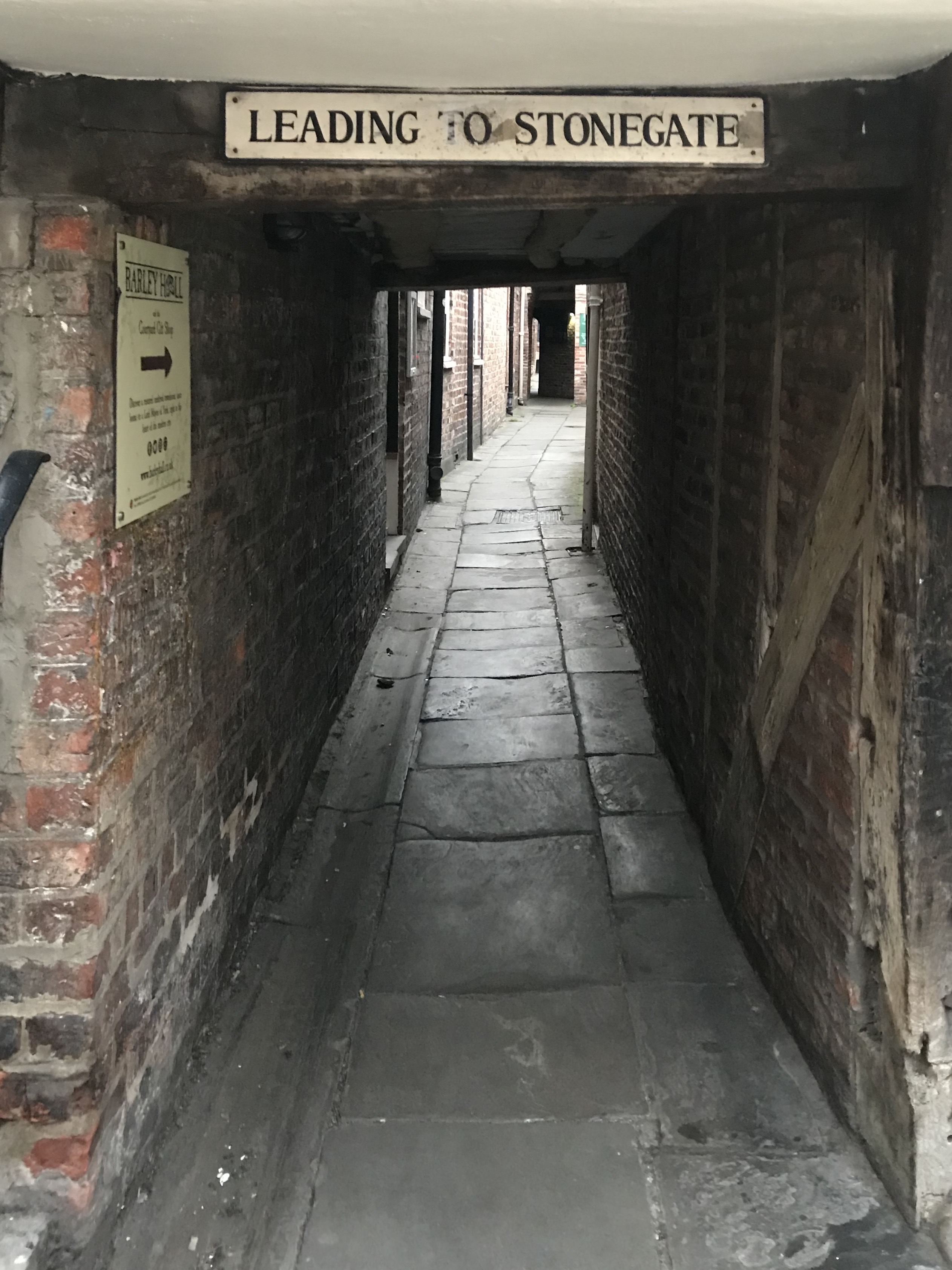
A York Snickleway

As we head towards Easter, at best, it looks like we might have some return to normality within the UK. The opening of schools may have contributed to the levelling off of new cases but it appears that vaccination may be countering any more harmful consequences. Deaths and hospitalisation continue to reduce. The greatest risk is a variant that eludes much of the efficacy of the vaccines. This could undermine all the gains of recent months and put us more-or-less back to square one. It’s not something any of us wishes to contemplate.

“Our health, our economy, the taken-for-granted ease of travel, will all be changed for years to come by what is happening now.”

Spirituality; Connection and; Covid-19, Chris Swift WordPress, 22 March 2020

A year ago I decided to write regular blogs during the pandemic. Starting on 22 March these enabled me to bring some focus and discipline to my thoughts about this unprecedented crisis. At the time I argued that chaplains must bring “renewed energy, vision and invention to the task of preserving spiritual connection”. This has certainly taken shape over the past 12 months with churches and individuals acquiring new and unexpected skills in Zoom, Teams and YouTube. The internet has allowed people to stay in touch and share in some sense of community and unity. Of course, this has not been for everyone and concern about digital poverty and exclusion cannot be ignored. As one church minister shared with me, people on data tariffs are unlikely to use their scarce allowance to watch church services. In some cases personal notes and hand-delivered newsletters have been an important corrective to a digital-default.

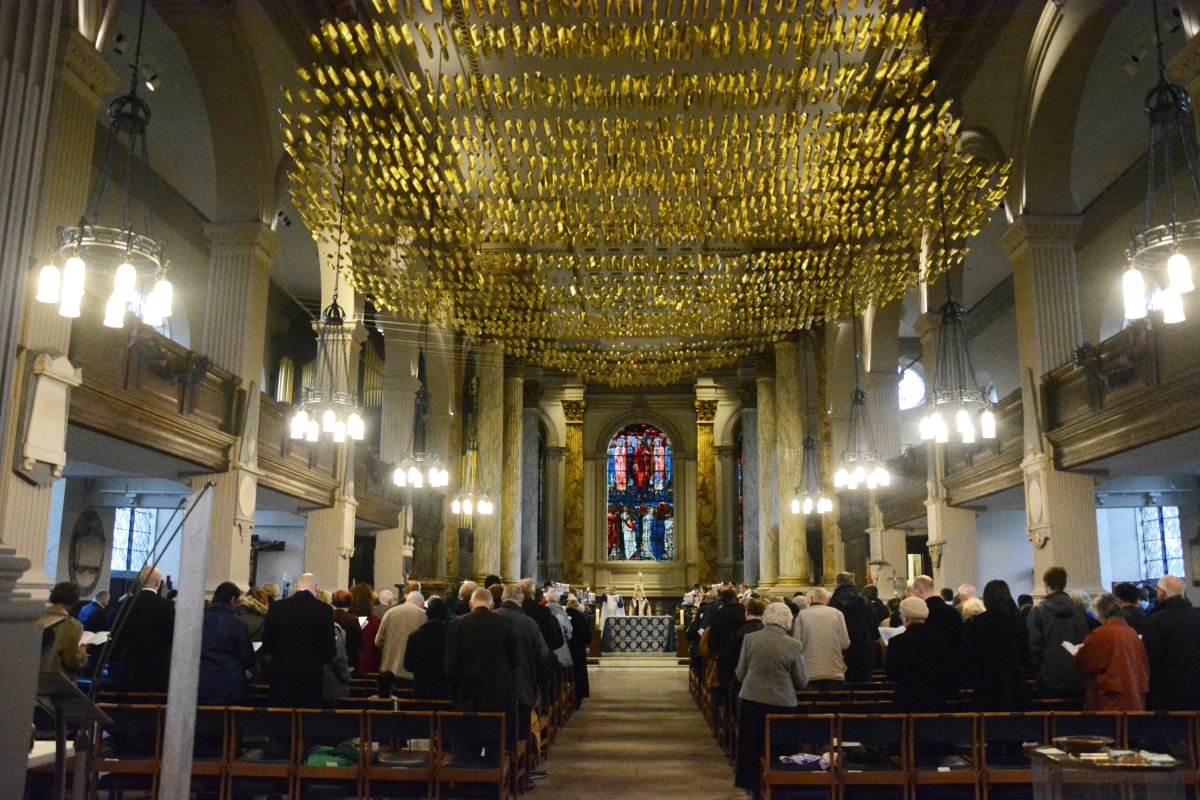
Soul Boats suspended in Birmingham Cathedral. Designed by artist Jake Lever.

While the analogy of same storm/different boats may have become overused in the pandemic, it remains a helpful image. Some are aboard state-of-the-art cruisers with an abundance of resources; others are shipping water like there’s no tomorrow, and look likely to sink. The inequalities revealed and widened by a global health crisis cannot be ignored. All this death, illness, isolation and economic decline, cannot be brushed over. The idea that somehow a public inquiry in the UK might be downplayed or delayed is unthinkable. We must get an accurate overview of what is occurring and understand its differential impacts across society. Only then can public policy identify and address injustices that have emerged. Not least we need to understand why the safety of older people in residential care was so distant from scientific and political priorities.

It will take accurate, detailed and impartial analysis to begin to form the questions we need to address as a society. If disability and age are acceptable criteria to impose a ‘do not resuscitate’ (DNR) order, then let us say this is what we are doing, and debate it. A year ago it felt that – politically speaking – an invisible ‘do not bother’ order was hanging on the front door of the nation’s care homes. The lessons available for us to learn from have been bought at huge cost. Let’s not squander what they can tell us, or ignore how they can help us steer with clarity to a form of society we are proud to name and fearless to promote.