Like many others, I’ll probably make an effort to see tonight’s full moon. Noteworthy not only for its fullness but also, today, for the eclipse which will be at least partly visible from the UK. The ‘blood moon’, as it is called, might offer us a spectacular reminder of this strange and beautiful neighbouring globe, held in the earth’s gravity.
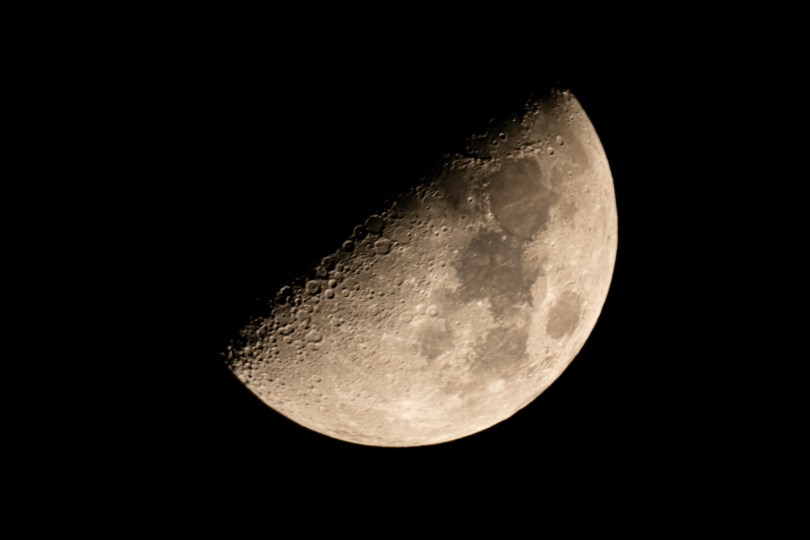
As a presenter on the BBC Radio 4 Today programme commented, events such as the eclipse somehow serve to put humanity’s woes into perspective. As we agonise about the various crises of our time, earth’s celestial companion is a daily reminder of a strange place to which few humans have ever been. Unlike the sun, here is an object at which we can stare, or observe with magnification, with little difficulty. When it is waxing or waning we can see the edge of craters silhouetted against the darkness of space.

Inevitably, the moon has always been part of human religious understanding. Intriguingly, although light is created on the first day of the Genesis account, neither the sun nor the moon appear until day four. Like the light on a cloudy day, it appears that the authors of the Genesis account distinguished between “general” light and the specific radiance of the sun and moon. The two bodies were seen as heavenly lamps, signifying that both generated different forms of light. It does not appear to have been understood at the time that the moon was simply reflecting sunlight.
“Genesis attributed another function to the Moon—marking the onset of Israelite festivals. Such a calendrical function of the phases of Moon is by no means restricted to Genesis. The calendrical function of the Moon has been so widespread around the world in other cultures that it might qualify as a cultural universal”.
Murray, G. F. (2021). Moon Traditions: An Overview of Changing Beliefs About Earth’s Moon. The Human Factor in the Settlement of the Moon: An Interdisciplinary Approach, 19-40.
One interpretation of the purpose of the creation narrative was to lend divine authority to the pattern of the seven day week, with the distinctive feature of a sabbath day. While not unique, the seven day week was not universal in biblical times. The Roman Empire, for example, used an eight day structure until the Jewish and Babylonian practice began to become ascendent. With the conversion of Emperor Constantine the seven day model became mandatory across the Empire. It has been suggested that the cause of this shift in the organisation of time, reflects the alteration of farming from a focus on livestock to one of land cultivation. The latter required much more intensive and back-breaking labour which may have made the concept of a sabbath day a necessary part of both human productivity and survival.
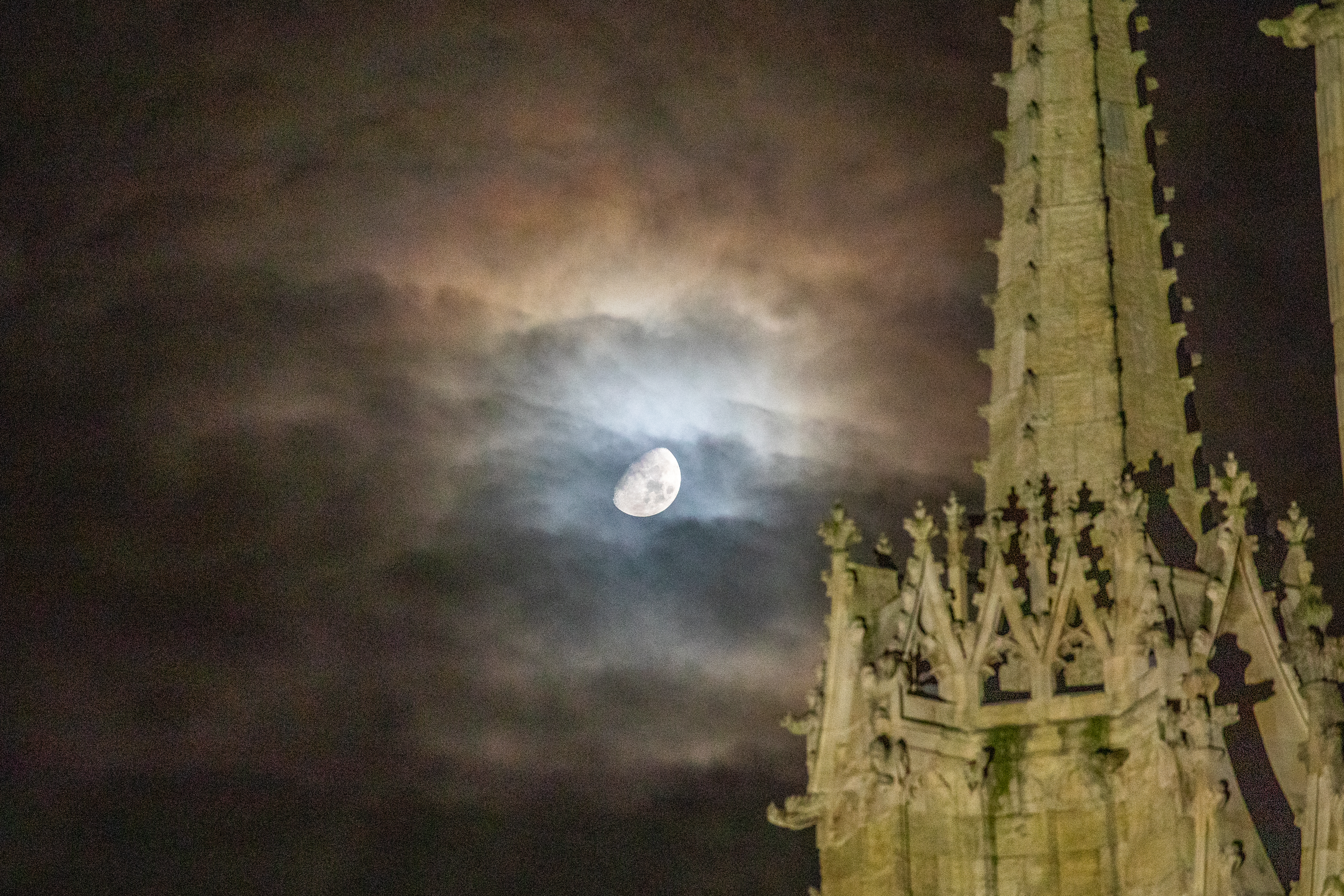
In Francis of Assisi’s Canticle of the Sun the stars and moon are praised as being “clear and precious and beautiful”. Within our understanding of the solar system as it stands today, we know that the position of sun, moon and stars reveal the dynamic character of the universe. We are on a planet that spins on its axis; in an orbit around the sun; with a moon in orbit around earth; in a solar system that orbits the centre of the Milky Way galaxy. The rare occurrence of a lunar eclipse reminds us of these movements, and the interplay of the heavenly bodies. It doesn’t stop us enjoying the beauty of these moments, or detract from the sense of awe that we live in a universe that is vast beyond our imagination, and exists without the slightest influence of human influence.
 Swift Reflections