
In the late 1980s I spent a year as a youth worker in the Isle of Dogs. The youth club operated in the crypt of Christ Church, and catered for local children up to the age of 11. Although I’d lived and studied in Hull, this was the first time I worked in an urban context. At that time much of the East End was undergoing the transformation from urban poverty to city banks and their associated wealth. Sparkling new buildings were springing up alongside docks where once no one had wanted to live. I was told that in those days taxi drivers had refused to drive into the island at night. During the 1980s the two communities, old and new, lived together uneasily. Some in the increasingly expensive gated estates, others in the council housing that was yet to be sold.
In my new role as Director of Leeds Church Institute I am once again reflecting on the relationship of ‘faith and the city’. Incidentally, it’s exactly 40 years since the report with that title was published by the Church of England, to be met with the ire of Mrs Thatcher and many other conservative voices. In the mildest of possible forms, perhaps this was the C of E’s modest response to the influence of liberation theology – the school of praxis and thought which arose chiefly in the favelas of Latin America. However, one of the criticisms of the report was its lack of a significant and developed theology to frame its analysis and recommendations. A subsequent publication, Theology in the City, responded to this criticism, partly arguing that the alleged lacuna arose from the misunderstanding of the more implicit theological approach Faith in the City had embodied.
During a year in Argentina I read Gutierrez’s classic work Teología de la liberación. Living in Córdoba and Buenos Aires, I grew more and more aware of the particular dynamics of city living, with rich and poor living cheek by jowl. A few metres apart, but separated in their different worlds by steel and security. Cities concentrate divisions in way often unseen in more rural settings. Gutierrez inspired a way of thinking that reflected his conviction, based on a liberative hermeneutics of the Bible, that God has a preferential love for the poor. This understanding led many followers of liberation theology to locate themselves alongside the poor, exhibiting a commitment to share and to learn before even considering the option to teach.
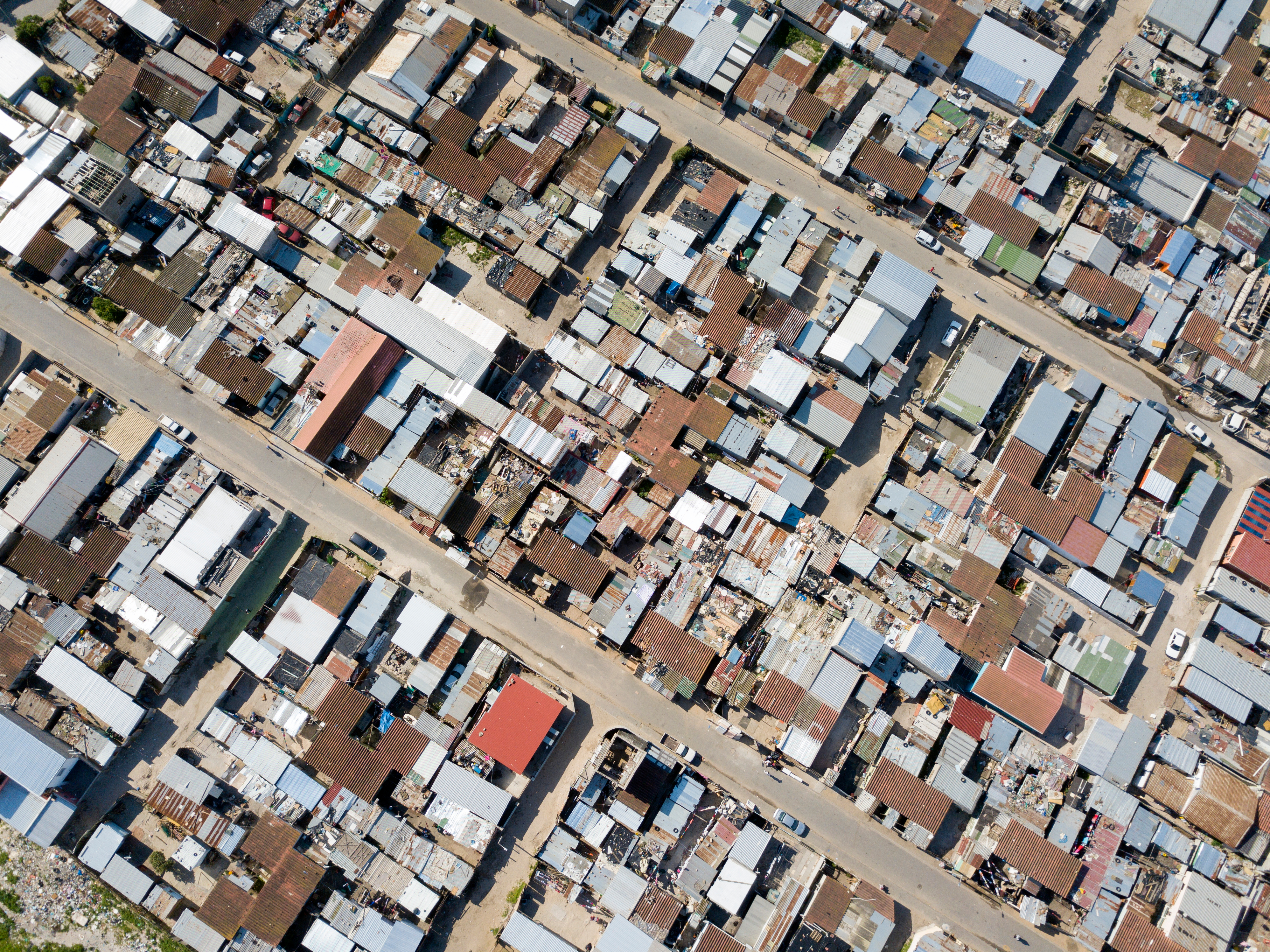
After years in which the power of the Church was used to contain and constrain liberation theology, the Pontificate of Francis marked a sea-change of significance. Rather than beginning with doctrine and only seeing the world through its parameters, Francis favoured attention to concrete situations and experiences as the place from which theology emerged. This was reflected most keenly in his persistent interest in the wellbeing of the poor and his sometimes stern address to the world’s wealthy and powerful (be they institutions or individuals).
The Church cannot abandon the city, because every city is its people. If cities shelter some of the poorest people in society then God’s preference and presence cannot be ignored. As a chaplain in Leeds for 16 years I was privileged to meet the whole spectrum of city dwellers although, poverty and illness being what they are, those encounters were weighted towards the most marginalised people in Leeds. In the conduct of funerals funded by the hospital (due to lack of means and/ore relatives) I visited homes whose meagre furnishings reminded me that, ‘When sorrows come, they come not single spies but in battalions’. It would seem that when the balance favours the rich, with wealth removing many of the burdens of everyday life, the opposite end of the scale descends; as the weight of poverty, exclusion and injustices mount, one on top of another. As Francis wisely knew, a rich Church will never be sufficiently open to allow God to use it as a means to rectify and redress the fundamental injustices of the city. As he declared shortly after coming into office: “How I would like a church that is poor and for the poor”.
 Swift Reflections