
Yorkshire seems to have had more than its fair share of notable clergy. My forthcoming Lent book concerns one of these, Laurence Sterne, but another distinguished figure is remembered in York – Sydney Smith. Born just three years after Sterne’s death, Smith became known for his wit, politics, writing, and philosophy. He had a remarkable turn of phrase. For example, when wishing to convey the remoteness of his country parish at Foston-le-Clay, he wrote:
‘My living in Yorkshire was so far out of the way, that it was actually twelve miles from a lemon.’
That probably wasn’t true as Foston was only five miles away from Castle Howard where, I can only assume, lemons and every other kind of produce were in rich supply. However, Smith was no doubt correct that he was living a considerable distance from the nearest place to buy a lemon. At Castle Howard he is remembered and celebrated with a plaque that was installed in 1999 by the Sydney Smith Association.
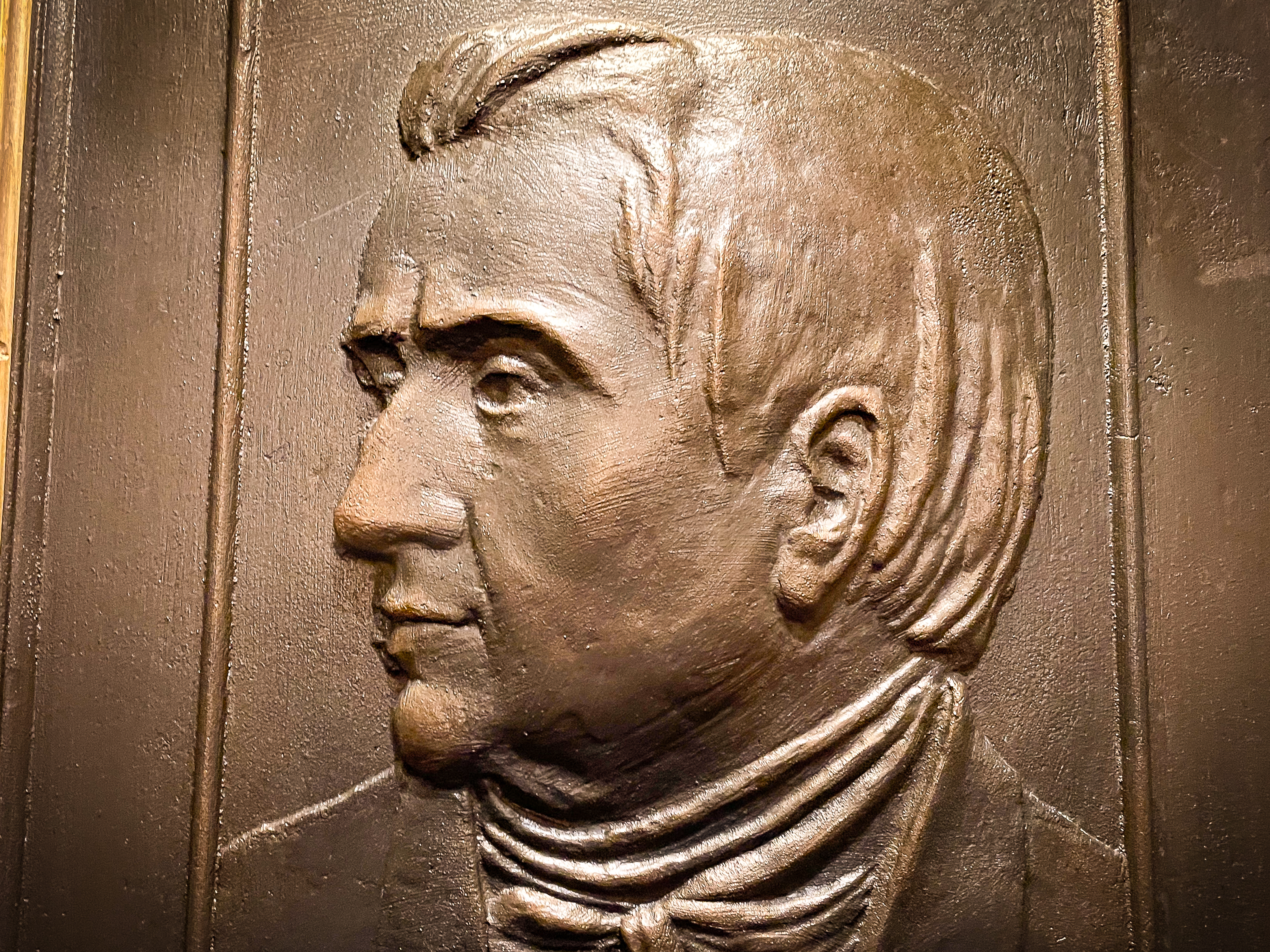
I am fortunate in living not more than twelve yards from a lemon, and therefore I can only guess at Smith’s experience of rural deprivation. However, for much of his working life Smith knew what it was to have lemons close at hand, and the requirements of rural ministry may have come as something of a shock. Elsewhere he writes: “I have no relish for the country; it is a kind of healthy grave”. He had lived in the metropolis of Edinburgh and was undoubtedly used to a wide choice of comestibles, culture and company (well, as wide as it got in the early 19th century). It was here that Smith was involved in launching the Edinburgh Review in 1802. This was a potent platform for liberal views, and began to call for political reform.
The church at Foston appears to have been neglected for a significant period before Smith arrived. There had been no rector, the duties being devolved to a curate. One of Smith’s first tasks was therefore to plan the construction of a fitting rectory. Illustrating the moribund state of the parish Smith wrote:
“When I began to thump the cushion of my pulpit … as is my wont when I preach, the accumulated dust of hundred and fifty years made such a cloud that for some minutes I lost sight of my congregation.”
Smith’s stature as a witty cleric, inclined to political reform, brought him the prospect of preferment in the Church. There was a time when it was possible he would have become a bishop, but for various reasons this never came to pass. When Lord Grey became prime minister in 1830 he was able, within a year, to advance Smith to a residentiary canonry at St Paul’s Cathedral. However, that was the last preferment which Smith received, and he soon realised that further progression was not in prospect. To the end, Smith retained and exemplified a generous spirit and commitment to a constructive and humane expression of religion.
“I hate the insolence, persecution and Intolerance, which so often pass under the name of religion, and, as you know, have fought against them”.
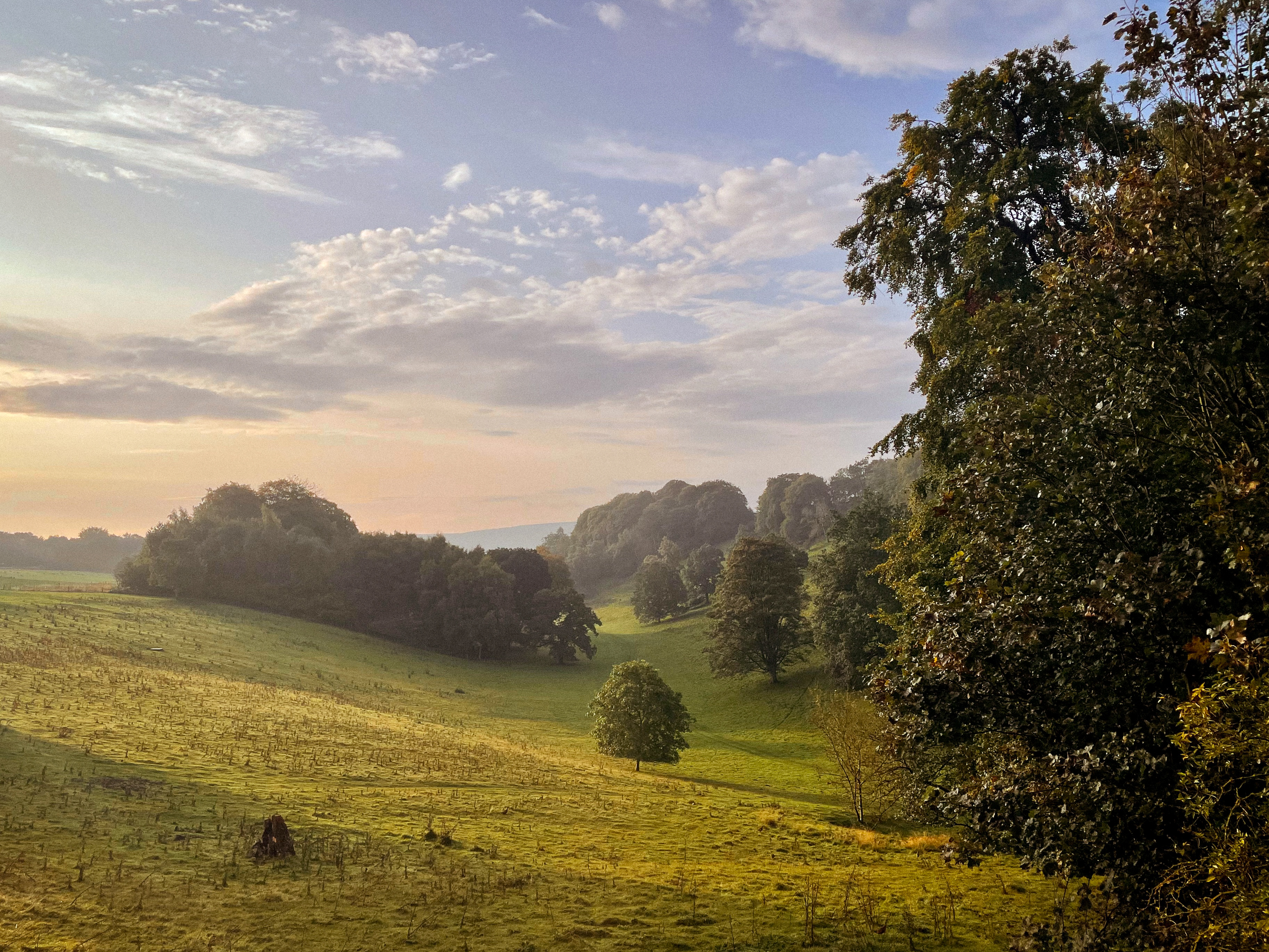
* The photo heading this blog is of the church at Foston: by Stephen Horncastle, CC BY-SA 2.0, https://commons.wikimedia.org/w/index.php?curid=9290721
 Swift Reflections
wow!! 56Divinity must live within herself