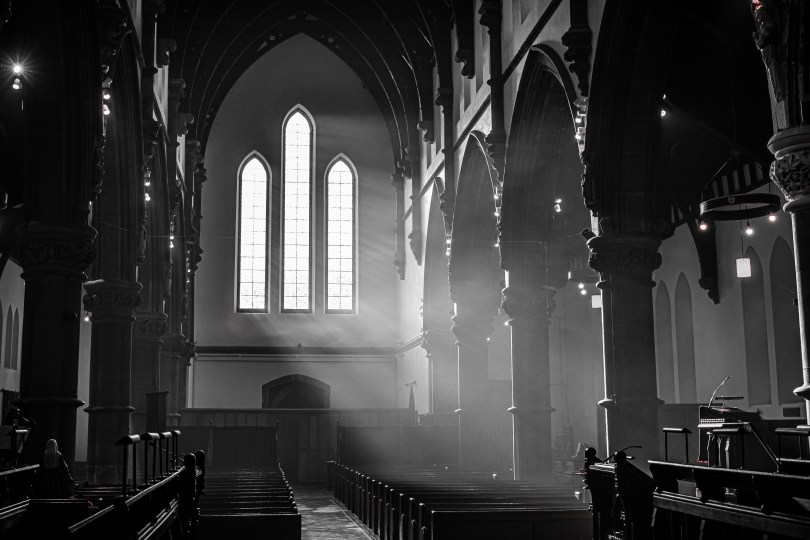
It’s probably a phrase which means nothing to all but a few people today, but ‘Lancashire Low’ was once a term applied to the character of the worship offered in the churches of that county. I heard it first when speaking with an ‘ACCM selector’. These figures were the driving force of the Church of England’s process for selecting candidates to train for ministry. Having lived all my life in Lancashire this description came as news to me although, intuitively, I recognised what it was describing. Not high up the candle ‘bells and smells’; nor ‘happy clappy’ evangelicalism, but a fairly sober, minimalist and no-frills approach to divine service. During my childhood and adolescence, as the C of E began to experiment with new liturgies, this character was beginning to change. Perhaps most notably, the Eucharist was becoming the most central act of worship, and a variety of vestments were beginning to be used more widely.
“the Lord’s Supper is a sacrament of our redemption by Christ’s death; it is not only a badge or token of our profession, but rather a certain sure witness and effectual sign of grace and God’s goodwill towards us, by which He doth work invisibly in us, and doth not only quicken, but also strengthen and confirm our faith in him”.
Mary Astell (1668-1731)
One of the parishes in York which I am supporting on Sundays could not be further removed from ‘Lancashire Low’. The church of St Lawrence, a few yards outside the city wall to the east, was built at the time of Catholic emancipation to offer a High Church, Book of Common Prayer, liturgy for people who might otherwise have been attracted across the Tiber. On Maundy Thursday, when the church is stripped of all adornments, the vestry overflows with the sheer quantity of vestments, candles, hangings etc. etc..
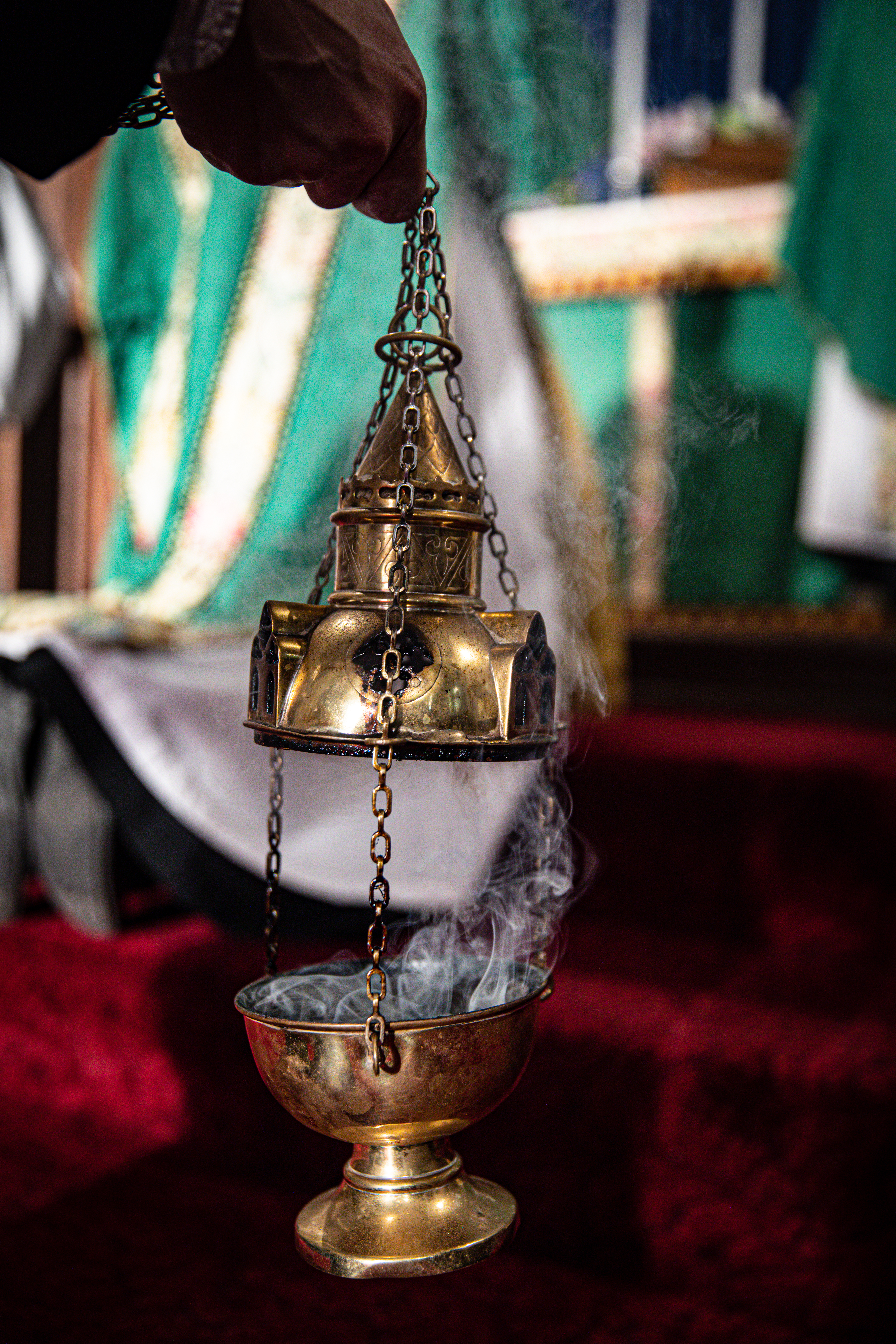
Despite the disparity between the church of my youth and this particular church, there are many interesting features in the character of St Lawrence’s. Firstly, located in an area of significant student accommodation, it counts many 18-30 year olds in its congregation. As is the manner of High Church liturgy, there are lots of ways for these young adults to get involved, for example, in the choir or serving. Perhaps in an age when choice continues to be elevated as the principal virtue, the given nature of the liturgy – its specification and detail – holds a counter-cultural appeal. Also, in a world of words, the presence of fabrics, colour, smells and bells, offers an in-person sensory experience that is welcome and appealing. All too often, when I assist at other churches, there is only the vaguest awareness of a pattern or tradition. “Wear what you like” can be the unhelpful response when I ask about the usual clergy attire for conducting the service. More often than not there are no vestments at the church or, if there are, the sets are incomplete.
Unusually, with an immense amount of hard work by dedicated laity, this church has been transformed from near-closure to become one of the better-attended churches in the city. There has been a sustained commitment to weekly Evensong on Sundays which has established a strong choral reputation and can see attendances reach a hundred. Generous gifts and successful grant applications have put the fabric of the building back into good order. None of this has been easy, not least because many students are only with the church for a few years while some, however, have decided to make York their home and continue to worship and assist at the church.
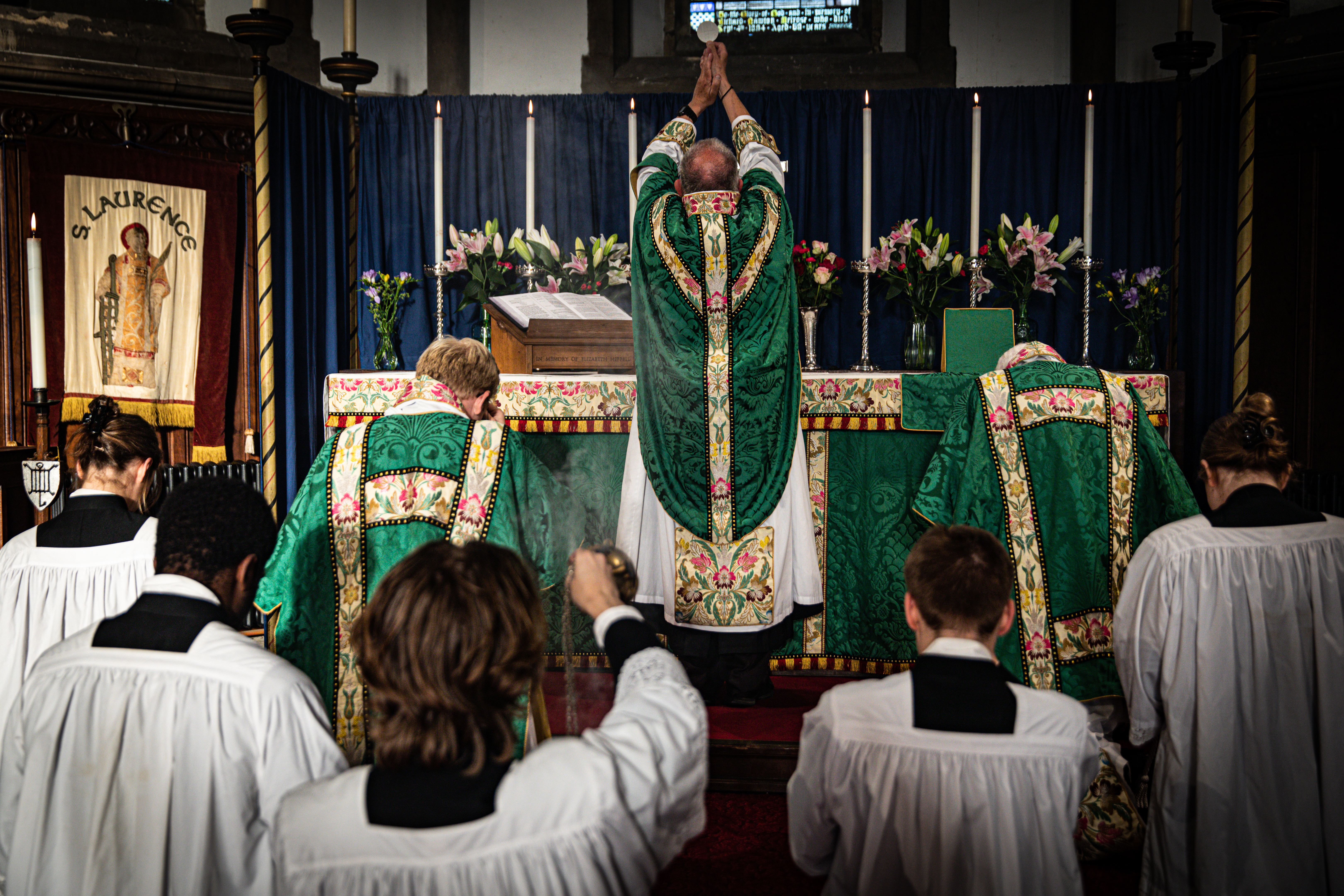
It is not possible to convey the Gospel, or help people shape and develop their religious life, without contact and engagement. Over many years the church of St Lawrence has done the hard work of building student engagement and outreach. Despite the assumption of many people that a church using the Prayer Book would be destined to failure, the opposite has been true. This is not without risks, as there can be a temptation in any tradition to see what is at hand and miss that to which it points, but you can’t get somewhere unless you start somewhere. In recent years several young men and women have entered on a journey of vocation leading to ordination. This is a church that has an ebb and flow of involvement, but it is unlikely – whatever happens in the future – that people will forget the experience of worship into which they are invited and immersed at a formative stage in their lives.
 Swift Reflections
Brilliant! Thank you! 🙂