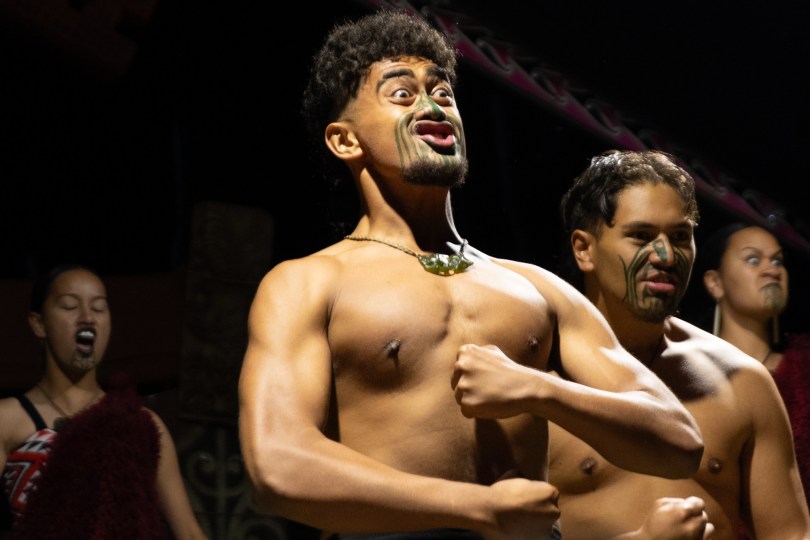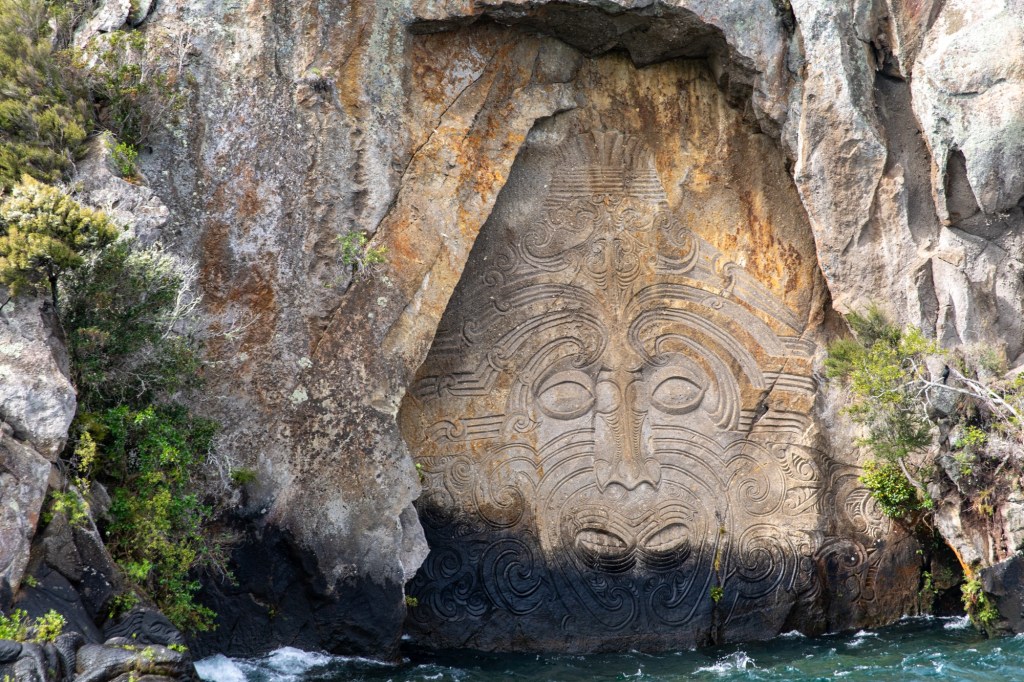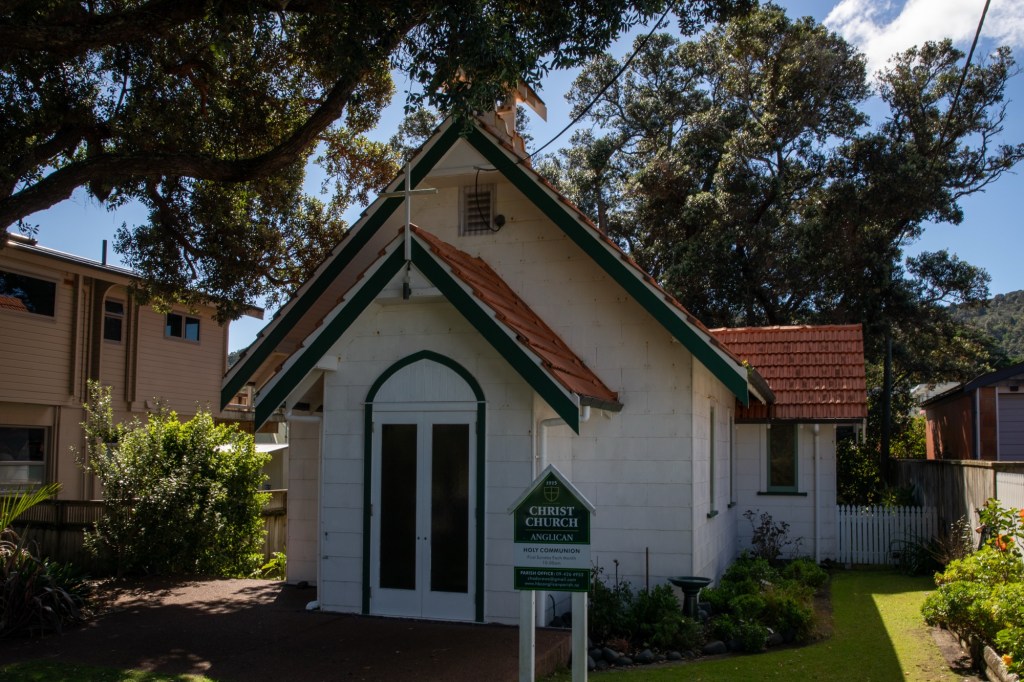
Taking part in a local pub quiz, about as far away from the UK as you can get, was disconcerting. Not because we came last – but because we didn’t. Most questions were within the limits of our cultural understanding (apart from early video games and mis-apprehended music lyrics). For example, one question asked who the British PM was throughout the 1980s. Yet this is a country where the Māori make up 15% of the population and lived on the islands for centuries before the arrival of the first Europeans. I imagine that we would have fared far less well in a quiz about Māori culture, history and the natural environment of Aotearoa New Zealand.
The practice of presenting the European and Māori names for these islands together is increasingly common. It reflects the reality that this is a land of (at least) two pub quizzes. Somehow, these need to coexist in constructive ways, ensuring that any ‘solution’ isn’t the steady erosion of one culture by another. Of course, I don’t need to travel thousands of miles to reflect on that reality – the UK has living languages other than English, and I don’t do enough to consider what that means for the ebb and flow of colonialism in my own context.
The differences in cultural knowledge aren’t only apparent in the local pub. TV in New Zealand is dominated by British quiz shows, again reflecting a particular expectation of given knowledge. Riddles draw on European and English forms of perception and thought-processing. While there are channels that cater to the language and culture of the Māori, the process of creating a bi-cultural reality is both protracted and challenging. Yesterday, on Anzac Day, the ceremonies appeared to achieve an admirable mix of Māori and Anglo-European cultures. However, in neighbouring Australia one dawn service was marred by booing of an indigenous speaker. Achieving cultural understanding and respect will always be a work in progress, but is essential for the wellbeing of everyone in Aotearoa New Zealand and supporters beyond its shores.
Visiting a leisure complex fed by hot springs, I unfortunately found myself in a pool of 40 degrees with a local man who proudly told me that he spent all day either listening to a transistor radio or reading the Bible. He embarked on his interpretation of the Book of Revelation, which would clearly involve things getting a lot hotter. He was delighted to recount his various conspiracy theories about what the beast represented, etc, but we were thankfully joined by some other bathers, which gave me an opportunity to escape.
Limiting our exposure to different cultures is very dangerous. Much of the current global turmoil can be traced to enclave-thinking and the belief in the innate superiority of one perspective. A lack of understanding of Iran, for example, has left the USA floundering in a conflict where it now has no definition of ‘winning’. It is dangerous to bully people who see themselves as having very little to lose other than their dignity.
The hymn The Day Thou Gavest is often cited as a paean to both church and empire. When pink once paraded across the atlas and the Anglican Church was dotted across the globe. There was indeed a time when the words of Cranmer would have been spoken unceasingly throughout the day. However, unlike its solar equivalent, the twilight of Empire resists the moment when the last vestiges of its particular luminosity die away. I suspect it will be a mark of progress when I travel and find pub quiz questions harder to answer and, consequently, learn to recognise something of the measure of what I have to learn, or, at the very least, to respect.
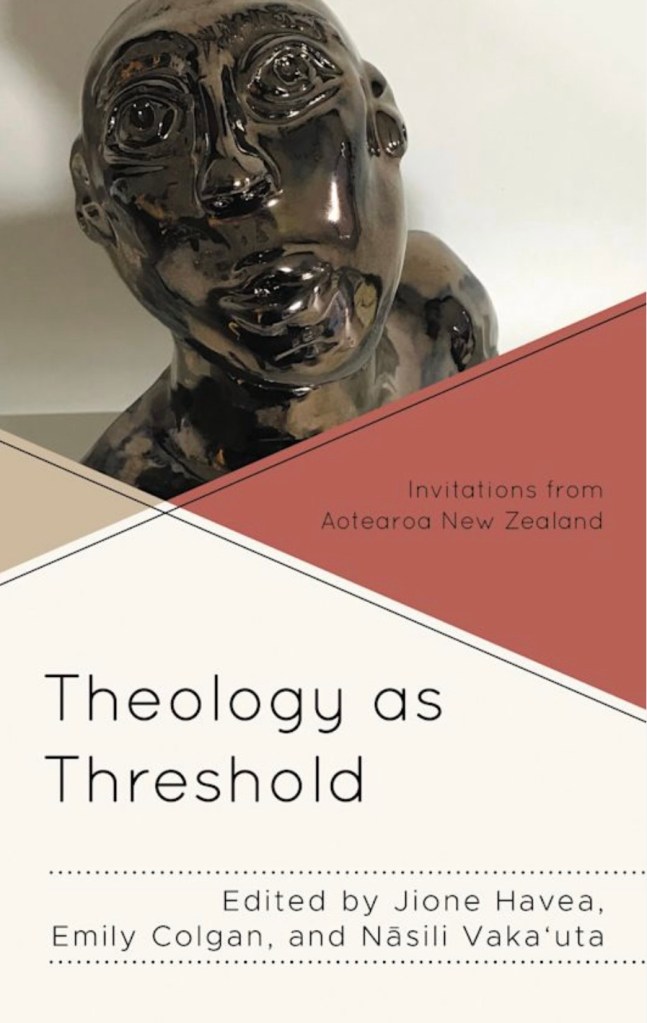
“… understanding cannot be forced. Trust and honesty, vulnerability and conversion will happen if the fullness of Te wā is the vision, but in their own and in the right time. Our friendship has certainly experienced phases. These have been held by a thread of commitment sourced in our identities in God – te aho tapu (the sacred thread). We have shared and risked with one another things we would not with others and that bears remembering. Relationships cannot run to a formula”.
Hall-Smith, BM & Dewerse, R. ‘Wheiao, A Threshold – where Māori and Pākehā meet” in Theology as Threshold: Invitations from Aotearoa New Zealand eds. Blyth, C., Callaghan, M., Colgan, E., Dewerse, R., Garner, S., Hall-Smith, B. M., … & Zachariah, G. (2022) Bloomsbury Publishing USA.