The Long Shadow

Rarely do leaders weigh the consequences of conflict. The human cost is terrible, and so too is the loss of homes, wildlife, heritage and communities. Things that take centuries to create are gone in an instant. The destruction wreaked by war has perhaps never been as visible as it is in Ukraine. From mobile phones and social media sites there is moment-by-moment reporting, independent of the channels of news that previously controlled the narrative of world events.

The photo at the top of this blog, taken in South Shields, is not a relic of the first or second World Wars. The Trow Rock Disappearing Gun was a prototype that could be retracted or elevated from its mount, but never went into mass production. The gun in the picture is a replica of the Victorian original. Across the UK, in all sorts of places, we can still see the detritus of war – pillboxes left standing as a reminder of the coastal defences that once surrounded the British Isles. Conflict lingers in the landscape for centuries.

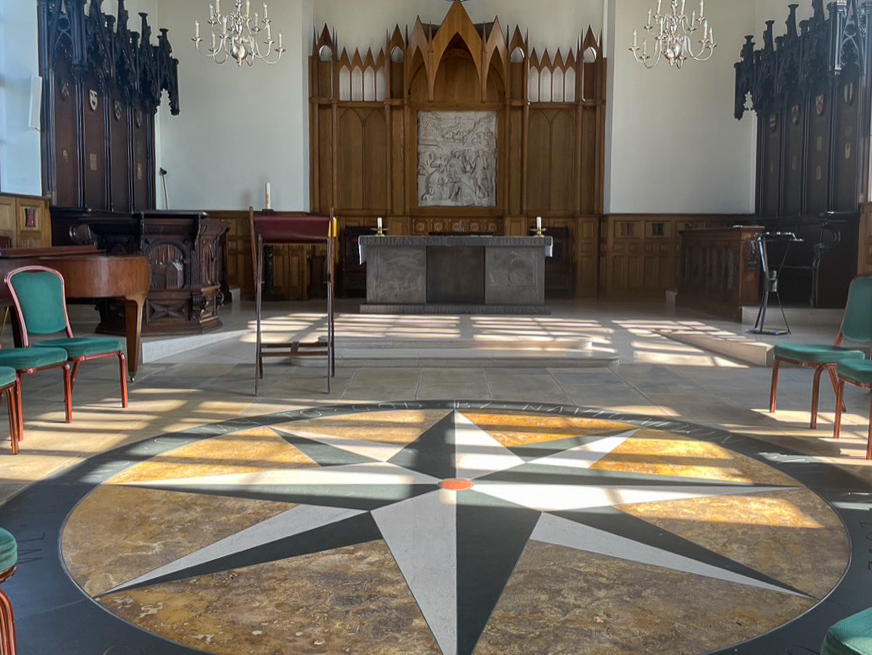
The Chapel of the Royal Foundation of St Katherine, London, stands on the site of a parish church destroyed in 1940

The human (notably male) propensity for fighting appears to be travelling at a far slower pace of evolutionary progress when compared with the speed of new armaments and their technical delivery. A primitive willingness to go to war is now housed in the terryfing world of novichok and thermobaric bombs. Growing up in the 1970s I was well aware of CND and its opposition to the philosophy of ‘mutually assured destruction’. I was 14 when Russia invaded Afghanistan and remember feeling anxious about where this might lead; how the world would react; and whether military escalation would follow, drawing in an ever wider circle of armed forces.

Today is Mothering Sunday, the midpoint of Lent in the Western Church. Tragically we are witnessing many mothers with children fleeing to neighbouring nations, leaving partners behind fighting for the defence of Ukraine. It is a sad reality that many of those seeking refuge will not be reunited with their loved ones. This adds poignancy to the partings that we see on train platforms across unoccupied Ukraine: people do not know whether the separation will be temporary, or final.

Few, few shall part where many meet!
The snow shall be their winding-sheet,
And every turf beneath their feet
Shall be a soldier’s sepulchre.

Hohenlinden by Thomas Campbell

We seem to have lost the energy to seek peace and pursue it. Perhaps there was too much hope invested in the interconnections of capitalism as an impediment to war. Putin has shown us that massive economic losses do not outweigh the decision to invade a neighbour. I’m not sure there can be great hope for humanity if all our energy is put into technical advances with token interest in peace studies; ethics or responsible disarmament. Whether in prayer or mindfulness, we each need to reflect on our own contribution to peace – and find ways to resolve differences without a clash of arms or the long, long shadow of war.

“Friends, let us hold in the Light the people of Ukraine. Let us hold in the Light the people of Russia. Let us hold in the Light the people of Afghanistan. Let us hold in the Light the people of Ethiopia. Let us hold in the Light the people of Myanmar. Let us hold in the Light those affected by conflicts we have forgotten or have never even heard of, because the consequences of war will scar lives just as they are doing in Kyiv. Let us hold in the Light the people working for peace. Let us hold in the Light the people who are not”.

https://www.quaker.org.uk/blog/ukraine-faithfully-maintaining-our-testimony-against-war

Useless Beauty

Sadly, neither music nor sculptures stop tanks. Military bands, uniforms and insignia may all demonstrate the way art can be conscripted into morale boosting service, but these are details rather than the main event. Many people will be tempted to see artistic talent in current circumstances as a ‘nice to have’ at a time when many people in Ukraine are searching for bread, shelter, safety and warmth. Yet the countless social media clips of singing children, firefighter violinists, and heavily sandbagged civic statues, suggest a deep determination to make sure that a people’s culture endures.

I am a great admirer of the ceramic sculptures created by Antonia Salmon. In a recent circulation to her contacts, Antonia reflects on the state of the world and the point of art:

“In one sense it could be easy to regard the arts as frivolous at a critical time such as this. Both the quality of our Presence and regard for our fellow human beings, and for our planet as a whole, is vitally important at this time. I’m certain that in whatever way you are able you will contribute to the awareness and growth of human connection, to love and to beauty.”

Antonia Salmon, Spring Update 13 March 2022, email quoted with permission
Detail of ‘Winged Form’ by Antonia Salmon

In the same week as receiving Antonia’s email I heard an excellent reflection on lament. This was given by Wendy Lloyd in a Lent series for York Minster. With the title Prayer as Lament and Hope, Wendy set out the idea of prayerful lament as a way of ensuring we continue to hold the vision of how things could (or should) be, especially when life is at its most difficult and destructive. All the acts of art or culture we are seeing in Ukraine suggest that in adversity people need to sustain a vision that amounts to far more than nostalgia. It constitutes a progressive hope focused on a time when all these slivers of Sabbath become the life we lead. As we maintain and re-pattern our creative senses and connectedness, art can make us restless with many aspects of the world in which we are living. As such, lament prevents us colluding with the failings and distortions of the world. In her reflection Wendy quoted an excellent article from a recent issue of The Financial Times:

Lament understands that naming reality is part of what enables one to address it and move towards a new reality. It is a way of bearing witness to injustice when we see it, to the unfairness of life, and yet also to a deeper belief in a world where we can seek help and have the agency to make decisions and take action so that pain and suffering are not the accepted order of the day.

Enuma Okoro, The Importance of Lament, The Financial Times, March 4 2022

When we see courageous acts of creativity and beauty in the midst of horror it reminds us all that we cannot afford to abandon the very things that make human beings their best selves. The arts have an invaluable role in both naming the injustices of life whilst simultaneously expressing the hope and possibility of something far better. In Lent, for Christians, the temptations of Jesus illustrate the tawdry shortcuts that will never achieve the splendour of what might be – of the time when all creation finds its true peace and purpose.

The featured image is an overview of ‘Holding Piece’. Antonia Salmon’s website: http://www.antoniasalmon.co.uk

To Break Every Yoke

I have been fortunate in my life to know very little of war. It has been a distant experience, vicariously brought nearer by television, conversations, films and books. Only once have I ever felt the uncertainty and apprehension that comes with sudden military action. This was in Argentina in 1987, while spending a year in the country working with a mission organisation. I was based in Córdoba where, in April of that year, a Major in the army began a mutiny. A few days later this was followed by a military revolt in Buenos Aires in support of the Major’s action. It was Holy Week, and in the student hostel where I was staying in Córdoba a man in plain clothes took up sentry just outside the property. Some of the students asked who he was and phoned the local police station to check his credentials. Back in the UK my family saw film on BBC News of tanks rolling through the streets of the capital.

Thankfully what became known as ‘the Carapintada’ mutiny was short-lived. The elected President regained control and peace was restored across the country. In places unfamiliar with recent armed conflict it seems unimaginable that life can change so quickly. Yet, in Ukraine, we are witnessing the terrible cost of war in Europe in the 21st century. Destruction is so quick and devastating – building and establishing civil society takes much more effort and far more time. Even if there was a permanent caseation of hostilities and withdrawal of Russian troops, it would take years for Ukraine to be restored to what it was just couple of weeks ago. Given that the conflict is unlikely to end soon I wonder whether I will ever see that country return fully to peace, stability and prosperity in my lifetime.

Is not this the fast that I choose:
to loose the bonds of injustice,
to undo the thongs of the yoke,
to let the oppressed go free,
 and to break every yoke?

Isaiah 58:6 NRSV

Religions as a whole have a mixed track record when it comes to conflict. Many people don’t describe themselves as ‘religious’ due to the way in which religious groups have behaved when it comes to war. More often than not people in the West see religious differences as part of the problem rather than the solution. Without doubt there is truth in the view that just as religions can be brilliant at binding people together, shaping their identify and offering a sense of purpose, so too that cohesion can come into conflict with other groups holding different convictions. Even now we see two Orthodox churches each supporting leaders who are commanding their nations in a war. There are certainly dissenting voices, but the leadership of the churches appears to be supporting the Governments of both countries.

A student from Ukraine speaking at a demonstration in York UK on Saturday 5 March 2022

Speaking at a rally in York yesterday the Archbishop of the city suggested that we have taken peace in recent years for granted – and that ‘peace is something you have to work at’ (BBC Breakfast at 1:18 minutes). Undoubtedly this is a Western perspective as many part of the world have been mired in conflict in recent decades, but it has not been at our door. The challenge for us is to reflect on the extent to which racism has shaped our responses to various crises, which must prompt soul-searching and a change in our attitudes. There is no question that our response to Ukraine is the least we can do – but in many other conflicts there is almost certainly more that we could have done.

For Christians attempting to observe Lent this year there are plenty of passages in the Bible that tell us God is uninterested in token sacrifices. Isaiah describes God’s fast as an active confrontation with the injustices of the world. When you loose the bonds of injustice and let the oppressed go free not everyone is pleased. Pursuing God’s call for us to confront the evils of our age will bring us into conflict with the people doing the oppressing and keeping people captive. This Lent let us recognise injustice and heed God’s call to confront it so that people are freed from suffering. Let us also ask in our hearts why we do not always feel equally motivated to do this for all peoples around the world. Maybe, this year, Lent will begin to break the yoke of our prejudice and allow us to become the people who let the oppressed go free, irrespective of who they are.

Dust and Ashes

Today I shall remind people that they will die. It is a curious and perhaps shocking element of the Church’s witness that on Ash Wednesday we are reminded viscerally of our mortality. Not only in words, but with the touch and mark of ash, we recognise that our constituent parts add up to very little. Our bodies change and decay. This life is not forever and time will undo us as it undoes everyone.

Christians bear this stamp of mortality in a way that is both provocative and hopeful. Through Lent and into Holy Week we follow in the footsteps of someone whose life seemed little more than dust. Born long ago in a distant province of the Roman Empire; regarded as illegitimate; a Rabbi who didn’t come through the normal route of family connection and privilege, but out of a carpenter’s workshop. Despite a brief ministry that attracted crowds and controversy, love and fear, Jesus of Nazareth died as a criminal in the most humiliating of executions.

In the poem Dust, Elizabeth Jennings begins with the same basic reminder that is the message of Ash Wednesday: ‘We are made of dust’. But this is never the end of our story. ‘Blown to the back of the earth, Stormed at, broken, defiled’ we have both a ‘living mind’ and spirit, and are met by a grace that goes to the end of the earth. We are dust, yet this dust is:

A place for visions, a hope
That reaches beyond the stars,
Conjures and pauses the seas,
Dust discovers our own
Proud, torn destinies.
Yes, we are dust to the bone.

Elizabeth Jennings, Dust in ‘Collected Poems’ 1986 Carcanet Press Ltd.

In a similar way, reflecting on Dietrich Bonhoeffer’s participation in the Bradford Declaration against the Nazification of the German Church, signed by German Christian pastors working in England in 1933, the poet Diane Pacitti writes: “out of dust a new world can be formed”. The Christian conviction, expressed at every baptism and on every Ash Wednesday, is not a denial of mortality. We name the reality of death more often than we might imagine – just think of the marriage service. It is simply that in following Jesus Christ we believe that death can become something else. That dust can be the basic thing in which new life is written, born and liberated.

Photo by Irina Anastasiu on Pexels.com

As the pandemic lingers and war erupts in Europe, dust still has its part to play. However far humanity thinks it has come, the basic terms of our existence contain recurring themes. The horror of war haunts us with ever more terrifying weapons, and something akin to Medieval plague has kept us in quarantine and ended millions of lives. As Job found after all his adversity, destruction, losses and sickness, sometimes we need to sit in the dust before things can change. Avoiding or denying the dust risks an unhinged response to the realities of life – a denial of our four score years and ten. It might take a brave priest to ash the forehead of Vladimir Putin and say: ‘remember you are but dust and unto dust you shall return’. However, perhaps only a reminder of this reality can stay the hand of someone who appears bent on terrible destruction. Today people will fast and pray for peace – may their prayers be answered.

When they saw him (Job) from a distance, they did not recognise him, and they raised their voices and wept aloud; they tore their robes and threw dust in the air upon their heads. They sat with him on the ground seven days and seven nights, and no one spoke a word to him, for they saw that his suffering was very great.

Job 2: 12-13

Peripheral Vision People

A long time ago I worked as a bread-wrapper at ASDA. It was on the Isle of Dogs in London’s East End and the rumour was that the store had 110% staff turnover per annum. It certainly felt a very transitory workforce, and my own employment lasted just under a year. From the Docklands Light Railway I would gaze down from a train to see work underway on the foundations of Canary Wharf. It was a time of huge upheaval for the local population and the East End as a whole.

In my work of wrapping and stacking I experienced something a lot of people will recognise. Wearing my bakery uniform I noticed that people never looked at me. Workers doing basic (but essential) jobs know how easily they become peripheral to people’s attention. The scope of this disregard is extensive and is manifested not only in personal interactions but in pay, conditions of service and benefits. With rising inflation, a hike in National Insurance payments and spiralling energy costs, many of these workers are now facing an unacceptable decline in living standards. MHA is one of many charity’s and operators calling on the Government to do more to support the sector and help employees be given the recognition they deserve.

My own experience of being peripheral was minuscule and fleeting. For many people, including women; people living with a disability; and people whose ethnicity is in a minority; being peripheral is part of everyday living. I am as susceptible as anyone for allowing ingrained attitudes to influence my looking and the way I value other people. It is something we all need to struggle to overcome. At ASDA the only people who gave any real attention to me and my co-workers were children. Children who found the world fascinating and intriguing and hadn’t yet learned the kind of seeing that channels our gaze to the people and things we have been taught to see as important. In her recently published collection of essays Esi Edugyan discusses race and identity with reference to works of art:

Perhaps my ambivalence also comes from certain threads I sensed missing. For these exhibitions represented renditions of the same Western story, a story of wealth and expansion. Black people are present, but as footmen, slaves, lady’s maids, magi… Black bodies are less living, breathing people than repositories for cultural anxieties. Blacks are an expression of status, of Christianity’s reach, of white morality. They are rarely, until the twentieth century, just human beings, living human lives.

Esi Edugyan, Out of the Sun: Essays at the Crossroads of Race, Profile Books Limited 2022

While we cannot see everything all of the time, we need to be aware that we all face limitations to our vision. However, that doesn’t mean we should accept our outlook or leave it unchallenged. When Jesus extolled the virtue of childhood to his disciples I wonder if he had in mind the capacity of children to be engaged in the world without acquired prejudices. To remove the blinkers we are given, or choose, in order to see people as central to the mission inspired by the statement that ‘God so loved the world’. A world containing a remarkable variety of people. To be born again surely means – if nothing else – to grow again and to see again. The ability to expand our vision of the world is the condition which precedes our capacity to be changed. Only through our transformation can we then be of any use in building that Kingdom which is rooted in a peace the world cannot give.

We must always contest our inclination to let people drift into our peripheral vision. It is good that many of us are being stirred into action to support the people of the Ukraine. Yet there have been many wars in far-away places for which many people we have felt too little concern. It is likely that our sense of identification with the people under attack is the key to the different responses the world makes to various disasters. Ensuring that we are in dialogue with a rich variety of people, and reading and watching things that expand our horizons, acts to prevent a tendency to insularity. As Christians head towards Ash Wednesday and the start of Lent, it is a good time for each of us to ask who is in our peripheral vision – and why are they there? We may discover that zoning-out people with certain characteristics, including those carrying out minimum wage jobs, is robbing us all of a richer life. Life in a community that is radically different from our accepted models, where no one is peripheral, and the gifts and distinctiveness of everyone are valued and affirmed.

The Wrong Way

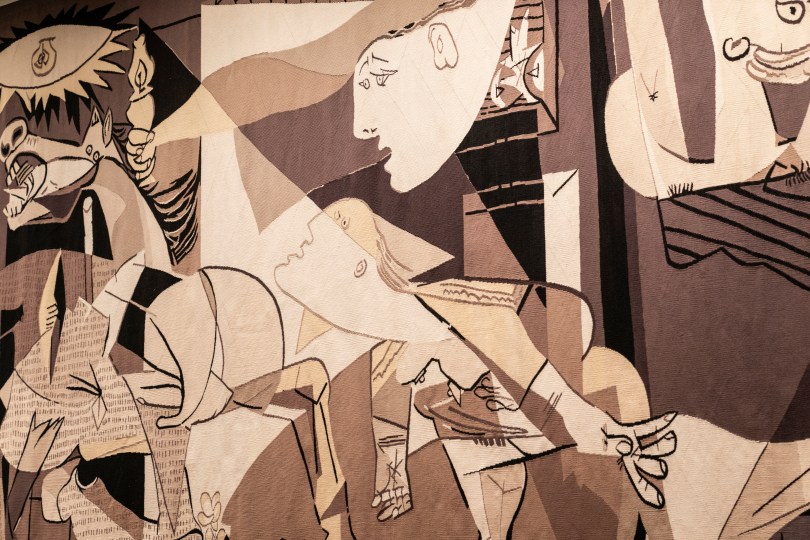
We had decided to visit the Reina Sofia gallery in Madrid ‘temprano’: early. Somehow, in our confusion of language and signage, we ended up going in by the exit. We didn’t mean to, but nobody challenged us on our route. Unsurprisingly, as Picasso’s Geurnica is the highlight of the collection, it sits in a room close to the completion of people’s visit. On this particular day it also meant that it was almost the first thing we came to and, for probably 8 whole minutes, we were alone with the masterpiece and its security guard. Usually the key work of a gallery throngs with people getting their look at one of the wonders of the world. For us that day brought the unexpected privilege of silence, space and the opportunity to gaze at the artwork without the jostle of others. It was quite a moment.

Guernica is named after the Basque town which was reduced to rubble after bombardment by German and Italian warplanes in 1937. The scale of destruction served the propaganda purposes of Franco who wished to promote fear as a way to defeat his opponents. For Italy and Germany it was an opportunity to test their weapons and capabilities before the full horror of global war was unleashed. As is so often the case, in the fog of war, the accounts given at the time varied widely. Berlin denied any involvement and the rumour was propagated that Republican forces had done it with explosives as part of their retreat. As the saying goes, ‘The first casualty of War is Truth’. As we contemplate military manoeuvres on the Ukrainian border the risk of intended or unintended hostilities – when the truth of what is transpiring is so doubtful – is frighteningly real. Time and again in human history a spark has led to conflagration.

Photo by Pixabay on Pexels.com

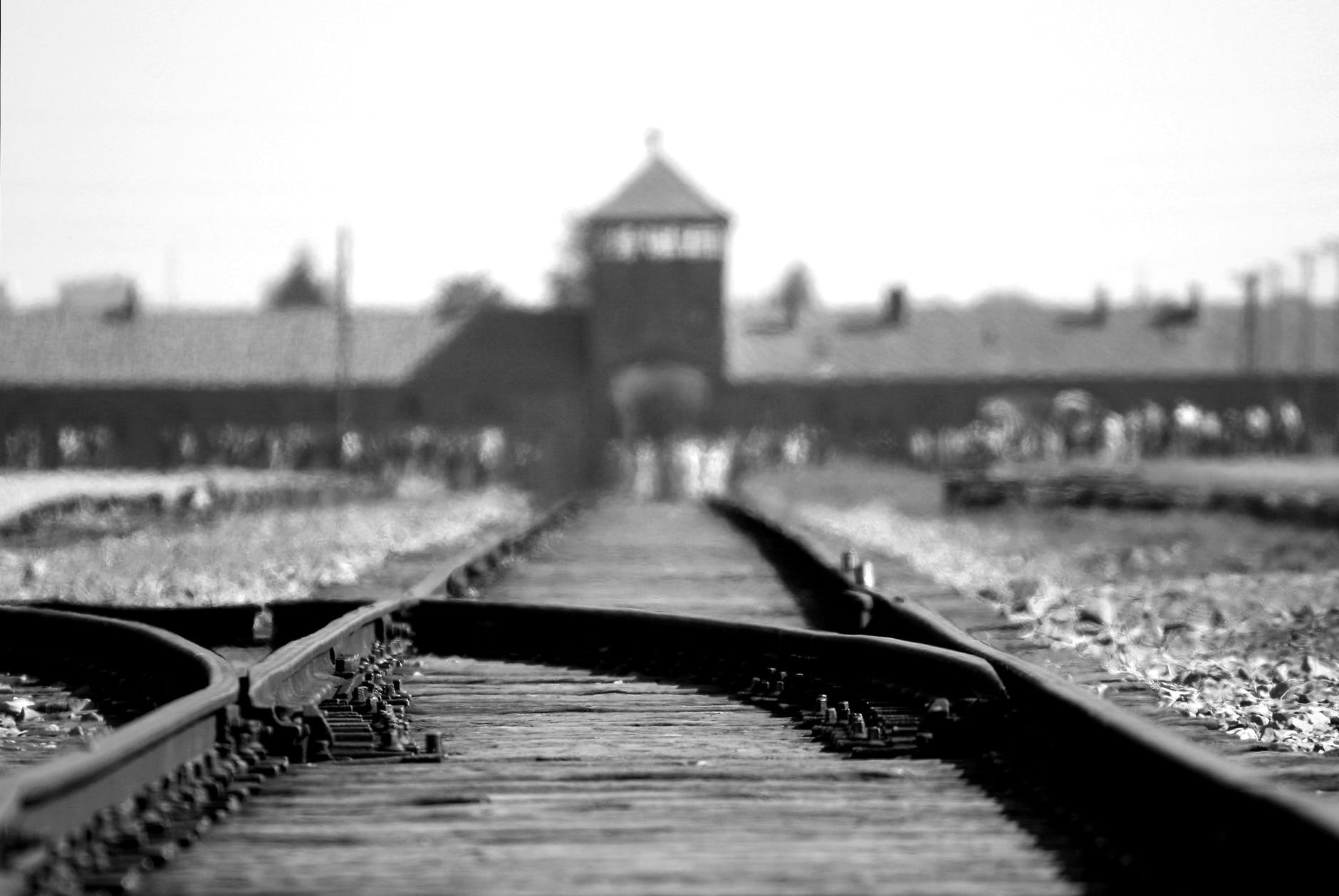
Over the years I have spoken with people who experienced life in terrible places of fear and death during conflict. I have listened to a personal account of horror told by a survivor standing beside a cattle-truck in Auschwitz. From the same war, but in a very different setting, I have heard about the experience of someone who spent years as a prisoner of war. At the moment I’m reading Herta Muller’s novel The Hunger Angel, which centres on the experiences of Leo in a Soviet labour camp. While we view these experiences from the perspective of history, a recurring theme for all these voices is the uncertainty of when or how the experience would come to an end. In winter especially, the hardships and suffering of people detained in the horror of the camps appeared to be an unending tale of misery. It is remarkable that anyone emerged alive from such places, either physically or spiritually.

There’s no such thing as a winnable war
It’s a lie we don’t believe anymore

Sting, Russians, 1985

Studying the history of conflict and genocide is an important task in every generation. For me part of the power of Guernica is the reminder that we arrive in horrific places via a whole catalogue of other atrocities and mundane acts of human indifference. Evil is built, rather than suddenly appearing. It’s why some of the most important struggles against tyranny are fought in the foothills before the full scale of disaster is both blindingly obvious and seemingly irresistible. The present prospect of war in Europe must urge us to work and pray for leaders to weigh the full cost of conflict. Even when things appear confused and uncertain we need to seek peace and pursue it – to stand up for a world in which war is never viewed as the right way to settle disputes.

Dear Lord

Author of all peace who through your son reconciled us to yourself, we pray for peace in our world at a time of heightened tensions.

We pray

for our governments and political leaders – for wise counsel and sound initiative to defuse tension

for diplomats – that they may have space to negotiate

for the people of Ukraine – that their close ties with the people of Russia and other neighbours will remain strong even in the face of military threat.

We pray that all governments commit time to dialogue and understanding, respect the will and freedom of all peoples, invest in welfare and alleviation of poverty and reject militarism and the threat of violence.

May Christ’s teaching and example be our inspiration, may hearts and minds be changed, and may your holy spirit be at work transforming each of us day by day,

Through your everlasting grace and mercy.

Amen.

A Prayer for Ukraine – The Methodist Church

The Passing Present

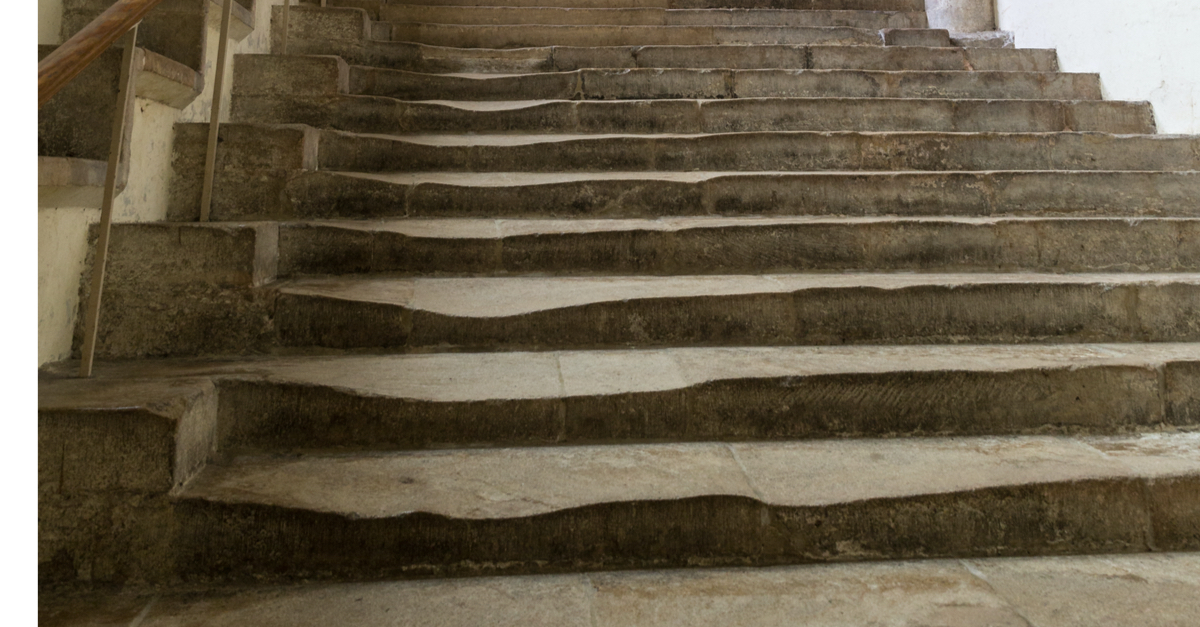
I am always moved by the sight of ancient stone stairways. The sag of centuries worn stone looks like a gentle impress made on fabric. Our forebears used some of the most resilient materials available to bear the steps of millions. Over time, the micro-erosions of clogs, boots and heel plates have changed that steely strength into the smooth aspect of stone turned through the mill of human transit. Like the steady drip of water on granite, the repeated touch of soles has altered what seemed unchanging and certain. If we stopped an individual at the top of the stairs and asked if they had left a mark on the stone during their ascent, they would almost certainly look back and answer: ‘no’.

On Christmas Eve for sixteen years, at around 5:30 pm, I would hover by the entrance to the oldest part of the Leeds General Infirmary. It was here that I met the choristers of Leeds Minster as they arrived to sing carols around the wards. This time of day on the 24th of December was always remarkably quiet. Visitors had left – or they were leaving their visit until the following day. Wards were as empty as they could be. Creating capacity before Boxing Day seemed to be a major management priority, and I once went with the singers onto a ward where there was just one patient. That will not be the case this year.

After arriving, the choristers would bustle into the nearby Boardroom where a buffet tea awaited. Following this festive offering they changed into their choir robes and formed two lines on the tiled floor of Gilbert Scott’s ‘St Pancras of the North’. Then, in the silence of its Victorian grandeur, a lone voice would hit the first note of Once in Royal David’s City. The choir joined in and we all processed up the split stone staircase to the Chapel on the first floor, the choristers’ steps falling where their predecessors had walked on this same day for over a century.

Christmas can incline us to nostalgia. In a world where the present seems to pass very quickly, surviving and looking forward can preoccupy our thoughts. Those quiet moments in the busyness of Christmas may lead us to remember other festivities and look back (either happily or uneasily) to our childhoods. On Christmas Eve, in waiting for the choir, there was the space to reflect on the history of the hospital and all who had walked these corridors since the 1860s. The poor who had sought help here before the founding of the NHS; the rich philanthropists who created it; and the eminent doctors, proud of their place in a rising profession. It isn’t hard to understand why Christmas is synonymous with ghost stories and a strong sense of the past. For all those years, on Christmas Eve, I felt I was keeping company with my predecessors.

The Chapel, Leeds General Infirmary

Once again, this Christmas is likely to be unusual for many people around the world. For the second year in a row the infection and illness caused by COVID-19 is expected to curtail the extent of our celebrations. Countries are closing boarders and battening down the hatches. Even if laws are not changed, we are being encouraged to limit our contacts and make sure we are vaccinated. Already the hospitality and entertainment sectors are suffering cancellations.

Restrictions imposed in response to the pandemic hit the headlines, but they don’t tell the full story of how people are responding to the experience. We know from occasional media reports, and perhaps from first hand knowledge, that countless micro-acts of kindness have helped people journey through this difficult and isolating event. The cards, phone calls and messages that have enabled people to feel valued and connected. The delivery of food, or medicine, that has allowed neighbours to keep safe and have the things they need. The vast majority of these small deeds will pass unreported. Research is unlikely to capture the scale, extent or consequence of these tiny impressions of compassion. The people doing them generally appear to feel these actions amount to very little. Nevertheless, they are part of the fabric of our lives, shaping and sustaining the quality of our relationships. When news reports convey the scale of problems facing humanity there is both comfort and hope in the knowledge that so much unregarded kindness happens at a local level. Love expressed with no expectation of reward, but done for its own sake, and found in the bonds of human connection which, at Christmas, are hallowed by the Incarnation.

People, look east. The time is near
Of the crowning of the year.
Make your house fair as you are able,
Trim the hearth and set the table.
People, look east and sing today:
Love, the guest, is on the way.

Eleanor Farjeon (1881-1965)

Practiced Preparations

Last Sunday the kitchen was filled with the rich aroma of Christmas cake. Part of the counter-narrative to convenience food lies in the enduring appeal of homemade seasonal treats. Many people bemoan an ever earlier Christmas, but the truth is that timely preparations have always been a part of autumn. If I had a pound for every time someone has said to me ‘it’s only one day’ I would be a lot wealthier. While that may be true for many, there are others whose thoughts turn to Christmas early in the second half of the year. Someone I met one August, sadly bereaved of one of his few friends, wondered what would happen at Christmas? He spoke fondly of the annual visit that would see a special bottle opened, with conversation that mingled past and present. For some people, Christmas is the axle on which the year turns.

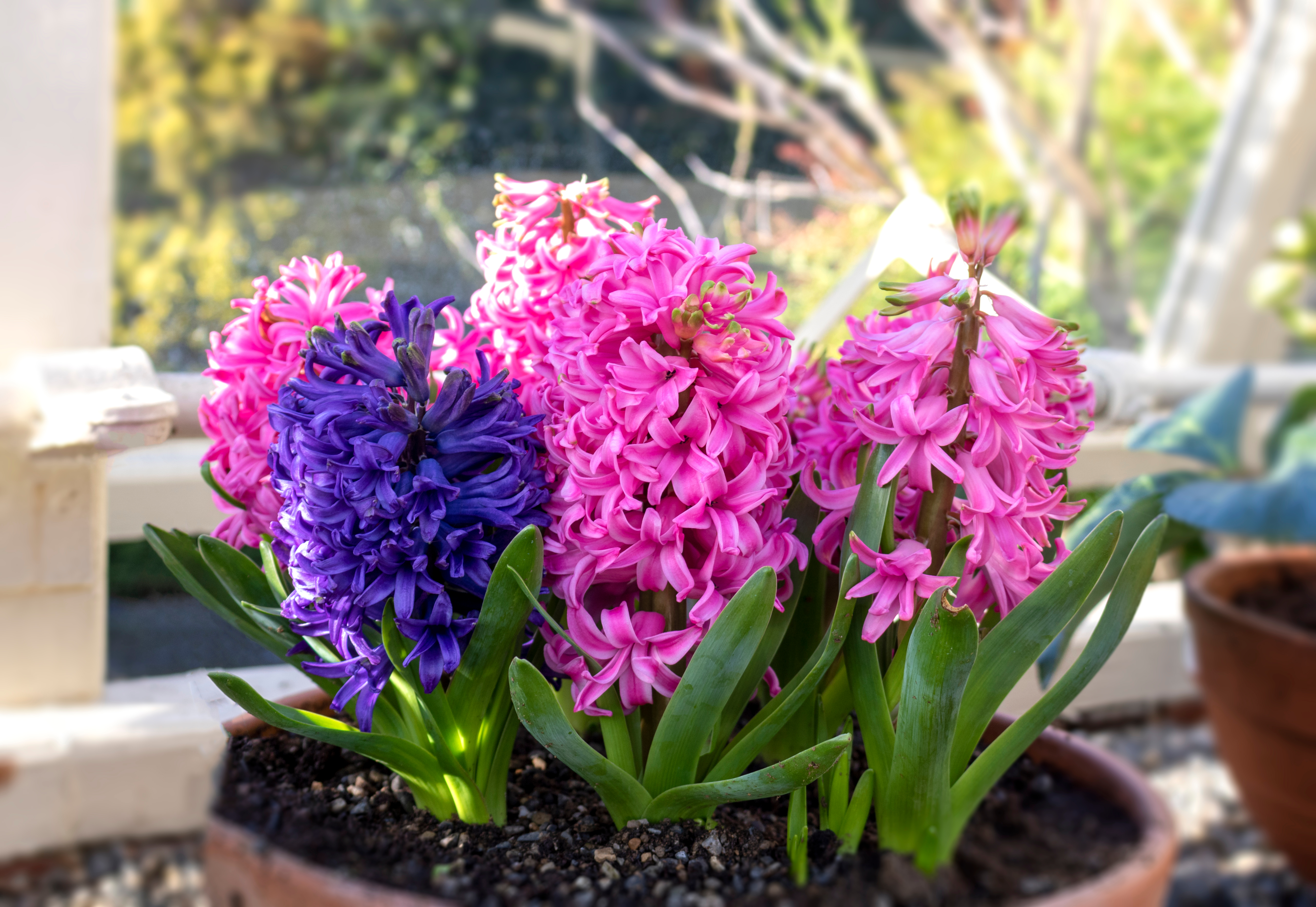
My grandmother, in a ritual practiced by many gardeners, would acquire some forced hyacinth bulbs and make sure their growth was managed in order to bring colour to Christmas. They became gifts for friends and family and filled her home with scent and brightness. The whole process takes 10-12 weeks, so this kind of preparation begins long before darkness starts to fall at an early hour. With a keen eye and careful foresight, presents were bought at various times earlier in the year and put away until needed. Sometimes gifts would be handmade, drawing on her skills in needlework. Again, this couldn’t be managed at short notice – planning was needed to ensure sufficient time to complete the project. Christmas was in mind long before it became a matter for discussion.

If of thy mortal goods thou art bereft,
And of thy meager store,
Two loaves alone to thee are left,
Sell one, and with the dole
Buy hyacinths to feed thy soul.

Saadi, Persian Sufi poet, in Gulistan (The Rose Garden), 1258

With trees up and decorations out, Advent can feel a bit late in the day, which is more appropriate than many might imagine. The themes, music and liturgy of Advent convey the sense that time is running out – salvation is at hand. Our progress through darkening days to the bright feast of the nativity is marked by ominous warnings that the end is closer than we think. We need to wake up and be alert because salvation ‘is nearer than when we first believed’. It can feel that the pots and pans of Christendom are being struck in a cacophony of anticipation and warning, just when the idea of hibernation is most appealing.

Advent is fleeting. Few places observe its daunting themes with sustained focus – there are understandable demands for nativity plays and carols to fill the Sundays up to Christmas. Yet overwriting of the season robs us of a purposeful time and some of our most profound liturgical moods and music.

In Advent, we set our sights toward the horizon of God’s future, and allow that horizon to reframe our present-day attitudes.

Witvliet, J. D. (2008). “Sing to the Lord No Threadbare Song”: Theological Angularity in the Face of Advent Sentimentality. Interpretation62(4), 402-417.

Preparation is part of our waiting. We are promised judgement. In contemplating the apocalypse we see a settling of accounts that could be horrific. What may appear overwhelmingly bleak is countered by the promise that love is born into the cataclysm. A non-sentimental love that knows who we are and helps us find a peace unavailable in our world, but freely given to those who seek it. The discomforting purpose of Advent is to allow the future to question our present. To ask, perhaps (in a post-colonial world riven by inequality) whether we have some responsibility for the people whose lives were lost in the English Channel last week? To consider how much we are complicit in our own misery. Even when observed only partially, Advent holds the space for this kind of reflection and, I can only hope, for action that becomes ever more aligned with a compassionate future to which we are being constantly nudged; invited and called.

When the tracks towards Christmas are well laid and long established there’s the risk that fresh insights will be missed. Practiced preparations can be a great distraction from the work of Advent to feed our souls and animate our awareness. There is so much to do, and a promised satisfaction if all our careful plans and preparation come to fruition. We might even gaze with smugness as we watch the panic of the foolish virgins who have left gift-buying to the very last minute. Surely they knew this day was coming? How incompetent!

Advent, in all its sombre glory, tells us about another day that is coming. Not the 25th of December but a far more significant and consequential day. It is a season that speaks over the fuss of festivities and asks big questions. Questions with a relevance and urgency we disregard at our peril.

Larkin Around

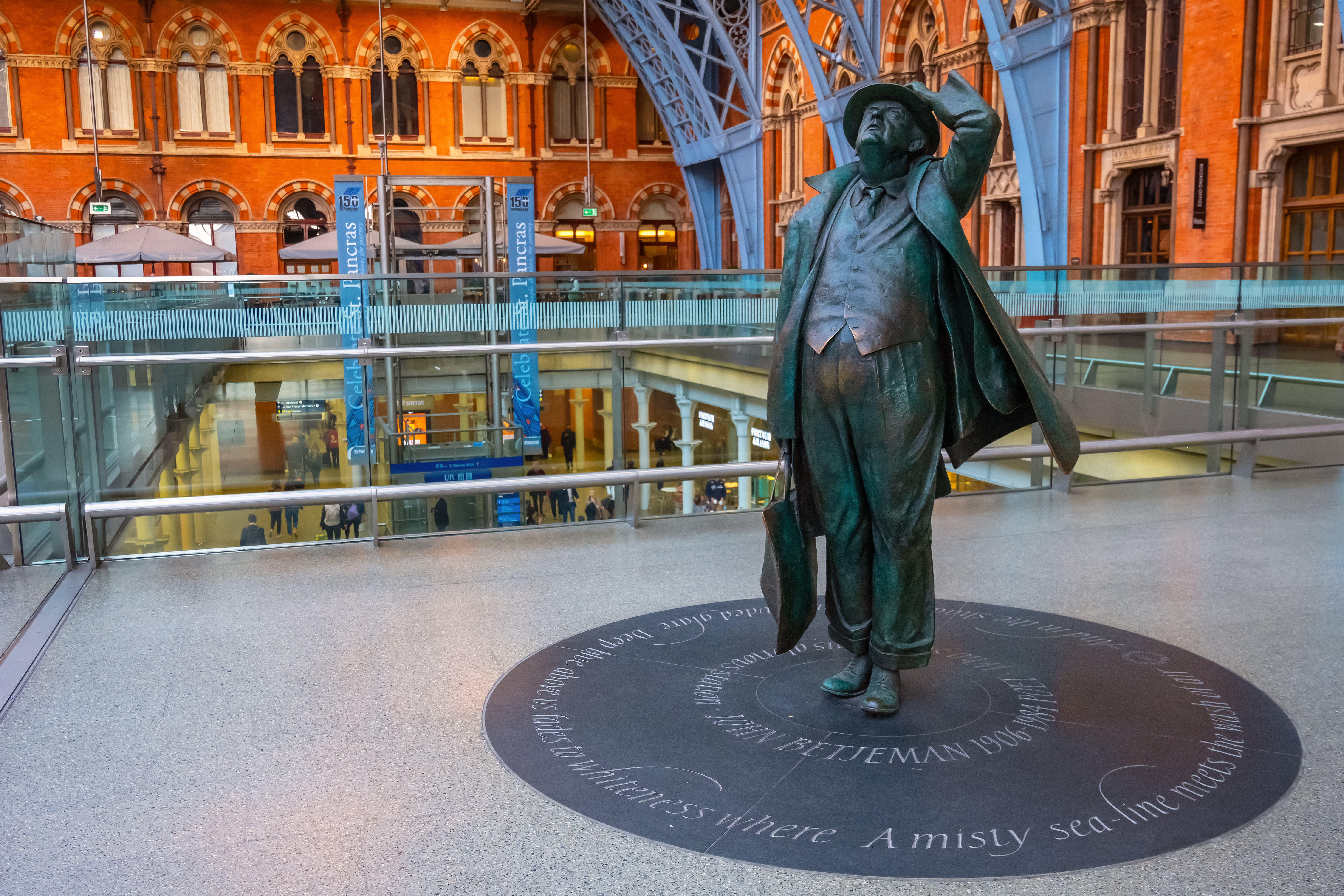
The Sunday after John Betjeman died Philip Larkin went to church. I was in St Mary’s Cottingham for Evensong when the familiar figure of the university librarian entered – just after the service had started. While Larkin was well known for church going, he preferred to make sure there was ‘nothing going on’ inside before crossing the threshold. I’ve no idea whether or not he stayed to the end, but his silent presence made a poignant homage to the senior poet. In death, Betjeman got Larkin into a church service, which would probably have raised a chuckle from the poet renowned for his passionate interest in all things ecclesiastical.

Like most undergraduates at Hull, I had very little to do with Larkin. He appeared during induction to speak about the library and offered the advice: ‘spending your grant on library fines is a very silly way to part with your money’. Once during a student all night work-in opposing Thatcherite cuts to higher education, Larkin stomped about in the theology and philosophy section, huffing and puffing, until a fellow student – unaware who was creating the noise – expelled a loud ‘sshhh’ in his direction. We were very studious in those days.

Although different poets, Larkin and Betjeman had a respectful and constructive relationship. In 1964 Betjeman interviewed Larkin in a BBC Monitor programme. It begins with an exploration of Larkin’s chosen context, the city of Hull. The isolation and ‘end of England’ ambiance chimed with the poet who felt so suited to its remoteness.

November often brings Betjeman to mind. His poem Winter at Home captures an England long departed. A season of quiet when the appearance of fog is welcomed as it grounds aircraft and adds to the sense of stillness. For Betjeman it is a time for reading long novels, and noting the small changes that mark the slow shift of the seasons. The moment when the Michaelmas daisies are too frost bitten for use in church and dried arrangements are put in place instead. An era when the limited supply of international goods meant people were compelled to work within the limitations – and opportunities – of the season.

John Betjeman’s devotion to the Church of England and the unique and prevailing Anglican temper of his character and imagination have been amply explored…

Gardner, K. J. (2014). Strange deliberations: John Betjeman and protestant nonconformity. Christianity & Literature63(2), 225-256.

When it came to Christianity and Church Larkin and Betjeman could not have been more different, yet the Monitor interview suggests that there were spiritual touching points despite the outward differences. Sitting with Betjeman in an overgrown cemetery, Larkin muses that ‘everything I write… has the consciousness of approaching death’. While having a very limited knowledge of churches, Larkin says that he developed a habit of visiting them (when empty). He comments: ‘I always welcomed the feeling I had going into a church’. There is a deep interest here in the liminal, the mortal, and the endless.

I am not sure whether Larkin’s silent Evensong tribute to Betjeman is recorded anywhere. Eighteen months later Larkin himself died, and two of England’s most significant post-world war poets were gone. A tribute by the English department took place the day before I left Hull for good. It was a highlight of my three years in the university city, with Larkin’s ‘loaf-haired secretary’ present along with others who were, in one way of another, caught up in his poems.

Writing about a theological approach to Larkin, Theo Hobson makes a persuasive case that the poet’s attention to the realities of life challenge a complacent secularism. At the same time, “his pursuit of ‘undeceived’ honesty… becomes a personal myth”. This leads Larkin to flirt with nihilism but not to succumb to it. For the complacent secularist as much as for those developing a deceptive ‘sub-theological gospel’, Larkin crafts poetry that disturbs seemingly self-evident narratives.

I wonder if anything in Evensong struck a chord with Larkin’s thoughts that evening? Was there the slightest lifting of an eyebrow as the words of the Magnificat cut through the blent air: ‘He hath scattered the proud in the imagination of their hearts’.

Dumb Oratories

In The Eve of St Agnes Keats created a poem that can cause a shiver even on a summer’s afternoon. Like the accrual of snow, or the gradual appearance of frost, the poet adds layer upon layer of freezing imagery. Into this icy world Keats introduces the fire of youthful passion, dangerous and agile, breaking convention and stealing away into the night. The chill of the poem goes hand-in-hand with a general sense of the supernatural and of a world that vanished ‘long ago’, but is brought to life through the magic of poetic imagination.

The poem includes references to funerary monuments: ‘The sculptur’d dead’. It is these figures of noblemen and women that Keats describes as ‘praying in dumb orat’ries’. Often we find the depictions of the deceased in our churches and cathedrals placed in a pose of intercession. In some religious understandings this may suggest that virtuous people who have died continue to support us through their prayers. Although not in church (but more significantly in heaven) the good continue to be in relationship with us through the prayers they offer on our behalf. It was the theology that powered an industry of intercession in the Middle Ages, with the sick, poor and clergy in particular, paid to intercede with the Saints for the souls of the wealthy seeking admission to paradise. Keats describes one of these ‘beadsmen’, someone typically pensioned in order to pray, using his rosary for those he was tasked to remember.

Numb were the Beadsman’s fingers, while he told
His rosary, and while his frosted breath,
Like pious incense from a censer old,
Seem’d taking flight for heaven, without a death,
Past the sweet Virgin’s picture, while his prayer he saith.

John Keats, The Eve of St Agnes, 1819

For anyone who has experienced a close bereavement this may not seem to be very surprising. The dead are seldom forgotten by those who were caught up in their living. The deceased continue to be with us in our thoughts, dreams and daily living. I cannot count how many times I have heard hospital patients speak about a visceral experience of a loved one being present with them. Sometimes it takes place in a dream, but it can also be an experience that appears to be as real as anything else. It was these encounters that led me to write a paper in 2014 with Stephen Sayers, discussing these experiences and suggesting how NHS staff might support such events during a patient’s admission. Interestingly, I think it is the only paper to which I’ve contributed that remains entirely uncited. This lends support to our contention in the paper that the clinical world is inclined to dismiss experiences that don’t make sense, and categorise them as evidence of mental illness. Awareness of this culture is something people discern and it is likely that many experiences like this are never shared with anyone. It seems that we lack a narrative for experiences which are real and meaningful for many, but fail to fit in with our sense of rationality.

On All Hallows’ Eve, and with All Souls’ Day this week, people around the world will be reflecting on those who have died. Given that our awareness and thoughts about the dead are often private and internal, this week offers a rare moment for names to be spoken and people remembered in public. Despite the continuing growth of a playful and scary Halloween, the serious, quiet and moving act of explicit remembrance offers a less spectacular but deeper moment when we acknowledge our continuing bonds with the departed. Remembrance Sunday adds to the sense that November has an inclination to memorial.

We continue to have traffic with those we have loved but see no more. There are particular moments, such as a family wedding, when those attending may think of the people who are absent – but whose blessings would be with the couple and their future. Choices we make in life may lead us to ponder what the deceased would think of our decisions. For better or worse, the silent prayers of the dead circle our experience and commune with our conscience. What may seem to be dumb and frozen out of our reality is never wholly gone. In different ways Halloween; All Hallow’s; All Soul’s and Remembrance Sunday remind us of this truth and allow a fleeting moment for what is hidden to be spoken and named.

We die with the dying: 

See, they depart, and we go with them. 

We are born with the dead: 

See, they return, and bring us with them.

TS Eliot, Little Gidding