The Matter of Time

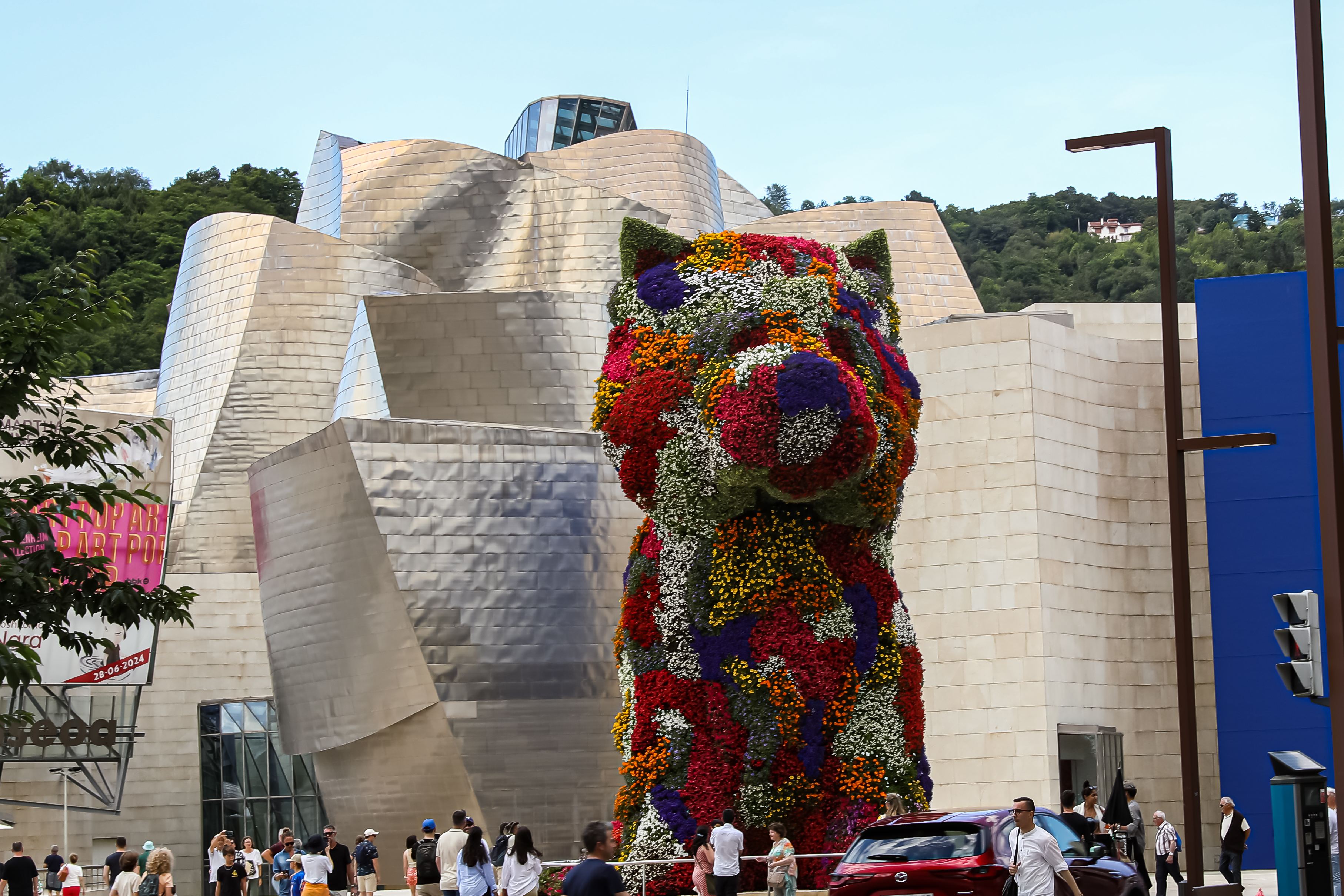
It is well over 20 years since I last visited Bilbao. This bustling northern city of Spain, and the largest in the Basque Country, lies in an impressive location between two small mountains ranges and the sea. It is full of local character and boasts impressive museums and galleries. The Guggenheim Museum, which opened in 1997, is a spectacular work of art in itself with its distinctive curved and shinning exterior. Frank Gehry’s waterside masterpiece claims that very rare accolade of being praised equally by critics, academics and the general public.

Inside the Guggenheim are the vast and imposing creations of Richard Serra, who died earlier this year. When I was last in Bilbao some of the steel structures were in place, but not all. I can remember walking around the curved and towering sides of this massive installations and experiencing the dizzying effects of being inside these metal behemoths. Today, walking around and within the complete set of structures is an even more spectacular assault to the senses. Light, space and sound are distorted in ways that question our certainties and give the world back to us in unexpected ways. In a venue visited by tourists from all over the world, words from many different languages echo around the soaring sides of steel, creating a Babel-like atmosphere of mythic confusion. For Serra the whole experience was intended to shape our awareness of time as, walking around the pieces, our perception bounces between the unexpected and the slow unfolding of different spaces.

“The meaning of the installation will be activated and animated by the rhythm of the viewer’s movement. Meaning occurs only through continuous movement, through anticipation, observation and recollection”.

Richard Serra – about the installations entitled “A Matter of Time”

This is what art offers us at its best – the opportunity to move beyond what we assume and project. To begin to perceive different possibilities and opportunities. It is little wonder that so much of the status quo in politics and elsewhere operates to curtail investment in such projects. The narrow measures of cost and benefit have little scope for calculating the value of these artistic expressions. In the political manifestoes currently on offer in the UK neither of the main parties offer any detailed vision for public art or community creativity. As Richard Serra said on more than one occasion: “art is purposely useless…” – which is part of its magic for humanity, as well as the reason politicians are unlikely to spend very much time speaking about it.
Useless Beauty

Sadly, neither music nor sculptures stop tanks. Military bands, uniforms and insignia may all demonstrate the way art can be conscripted into morale boosting service, but these are details rather than the main event. Many people will be tempted to see artistic talent in current circumstances as a ‘nice to have’ at a time when many people in Ukraine are searching for bread, shelter, safety and warmth. Yet the countless social media clips of singing children, firefighter violinists, and heavily sandbagged civic statues, suggest a deep determination to make sure that a people’s culture endures.

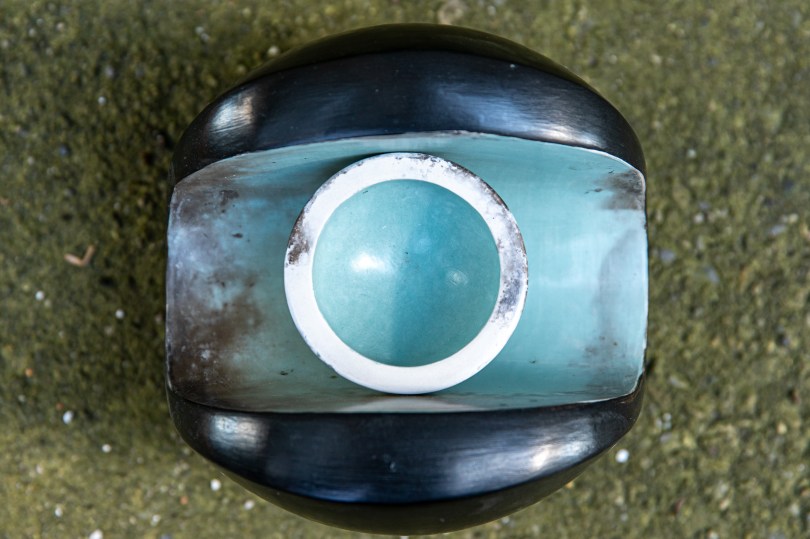
I am a great admirer of the ceramic sculptures created by Antonia Salmon. In a recent circulation to her contacts, Antonia reflects on the state of the world and the point of art:

“In one sense it could be easy to regard the arts as frivolous at a critical time such as this. Both the quality of our Presence and regard for our fellow human beings, and for our planet as a whole, is vitally important at this time. I’m certain that in whatever way you are able you will contribute to the awareness and growth of human connection, to love and to beauty.”

Antonia Salmon, Spring Update 13 March 2022, email quoted with permission
Detail of ‘Winged Form’ by Antonia Salmon

In the same week as receiving Antonia’s email I heard an excellent reflection on lament. This was given by Wendy Lloyd in a Lent series for York Minster. With the title Prayer as Lament and Hope, Wendy set out the idea of prayerful lament as a way of ensuring we continue to hold the vision of how things could (or should) be, especially when life is at its most difficult and destructive. All the acts of art or culture we are seeing in Ukraine suggest that in adversity people need to sustain a vision that amounts to far more than nostalgia. It constitutes a progressive hope focused on a time when all these slivers of Sabbath become the life we lead. As we maintain and re-pattern our creative senses and connectedness, art can make us restless with many aspects of the world in which we are living. As such, lament prevents us colluding with the failings and distortions of the world. In her reflection Wendy quoted an excellent article from a recent issue of The Financial Times:

Lament understands that naming reality is part of what enables one to address it and move towards a new reality. It is a way of bearing witness to injustice when we see it, to the unfairness of life, and yet also to a deeper belief in a world where we can seek help and have the agency to make decisions and take action so that pain and suffering are not the accepted order of the day.

Enuma Okoro, The Importance of Lament, The Financial Times, March 4 2022

When we see courageous acts of creativity and beauty in the midst of horror it reminds us all that we cannot afford to abandon the very things that make human beings their best selves. The arts have an invaluable role in both naming the injustices of life whilst simultaneously expressing the hope and possibility of something far better. In Lent, for Christians, the temptations of Jesus illustrate the tawdry shortcuts that will never achieve the splendour of what might be – of the time when all creation finds its true peace and purpose.

The featured image is an overview of ‘Holding Piece’. Antonia Salmon’s website: http://www.antoniasalmon.co.uk