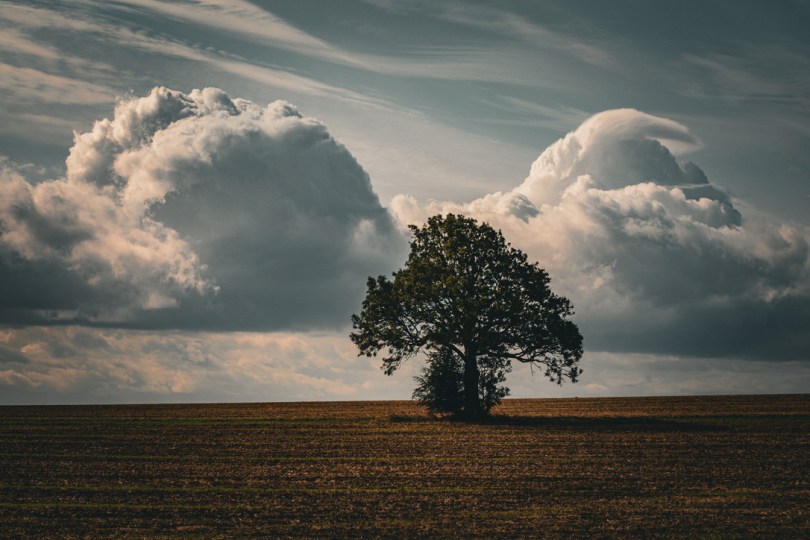
I had wanted for some time to visit the town of Towton. Not so much the town itself as for the fields which rise above it on the way to Saxton. Here a battle took place in the 15th century which may have cost more lives than any other conflict on English soil. It was part of the War of the Roses, and some estimates claim that 28,000 Lancastrian and Yorkist soldiers lost their lives in a single day. Over time the signs of battle have vanished from a landscape now given over to agriculture. It cannot be claimed with certainty where the spot lies on which the warfare took place. However, on the 29th of March 1461, during a snowstorm, two mighty armies clashed and laboured for several hours to prevail. It was Palm Sunday.
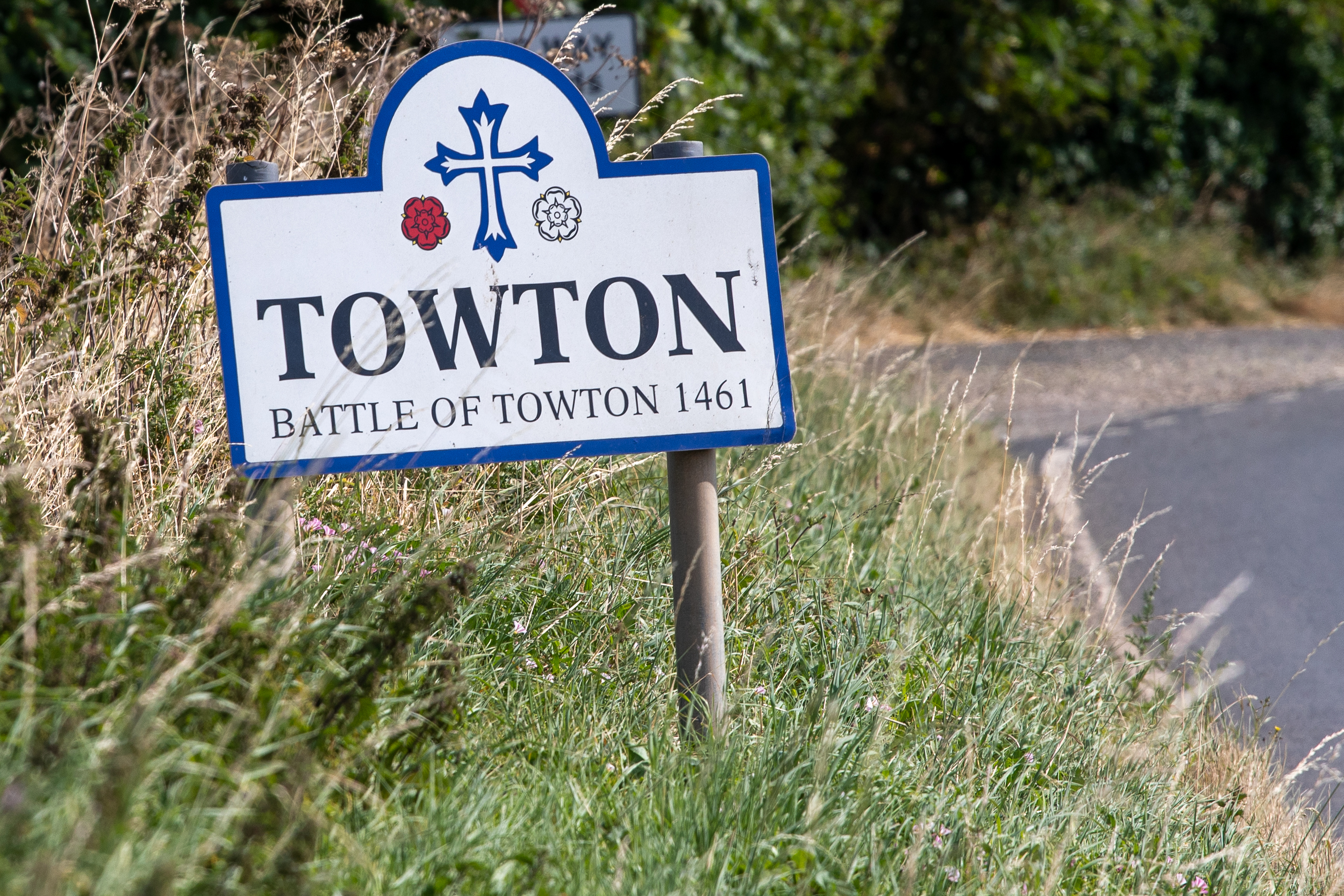
This battle is a central event in Shakespeare’s Henry VI part 3. The exhausting and bloody nature of a conflict in which the armies were evenly matched is expressed in words the Bard gives to King Henry:
Now sways it this way, like a mighty sea
Forced by the tide to combat with the wind;
Now sways it that way, like the selfsame sea
Forced to retire by fury of the wind.
Sometime the flood prevails, and then the wind;
Now one the better, then another best,
Both tugging to be victors, breast to breast,
Yet neither conqueror nor conquerèd.
So is the equal poise of this fell war.
Shakespeare, W. Henry VI part III, Act 2 scene 5.
Gazing across fields, above which huge clouds pass serenely, it is hard to imagine the butchery that took place here more than half a millennium ago. The loss of life is all the more extraordinary given the weapons available at the time. War was a matter of sustained labour, with sheer physical force being the principal means of achieving victory. Being a soldier required strength and stamina and the chances of survival were poor if you were injured in any way, as the medicines of the time had limited effects.

In Macbeth, Shakespeare describes another military encounter, also finely matched: “Doubtful it stood, As two spent swimmers that do cling together And choke their art”. This would be a fitting description of the struggle across the fields near Towton. Perhaps, in some cases, there are worse things than an immediate and crushing defeat. The attrition of balanced forces was devastating for the communities involved. At the time of the battle England’s population was under 2 million and the losses of the day may have amounted to more than one percent of the nation’s inhabitants. Inevitably, this figure would have included an even greater proportion of the able-bodied men of the time.
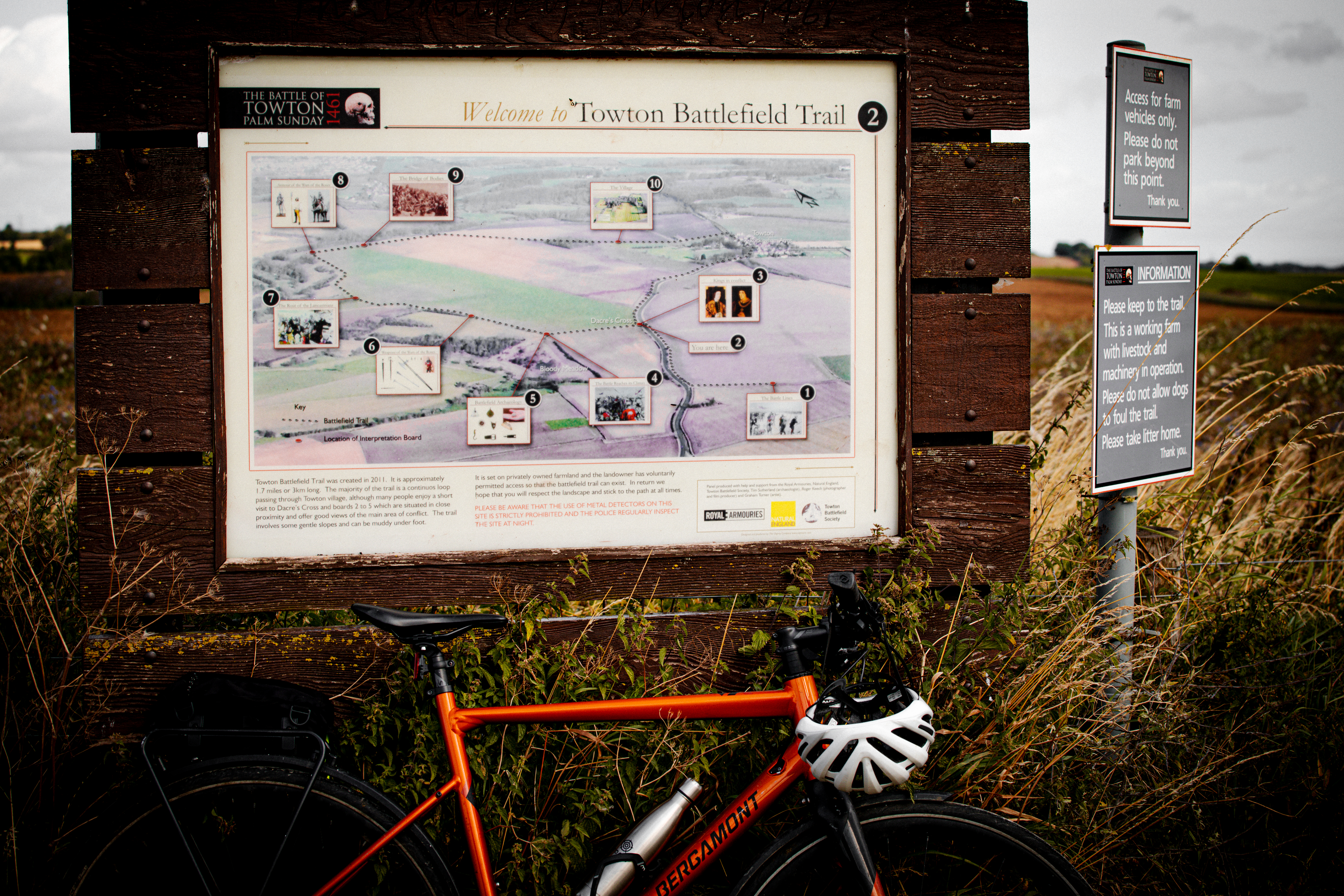
Today, the fields above Towton look no different from the the arable land that stretches east towards York and west towards Leeds. The history of the place is told on a couple of display boards with a trail that takes visitors across the most likely places of significance during the battle. The devastation of this domestic conflict is long disappeared, but it has become a place for people to visit and contemplate the history of warfare, politics and – it is to be hoped – the continuing necessity to labour for the peaceful resolution of conflict


 Swift Reflections