
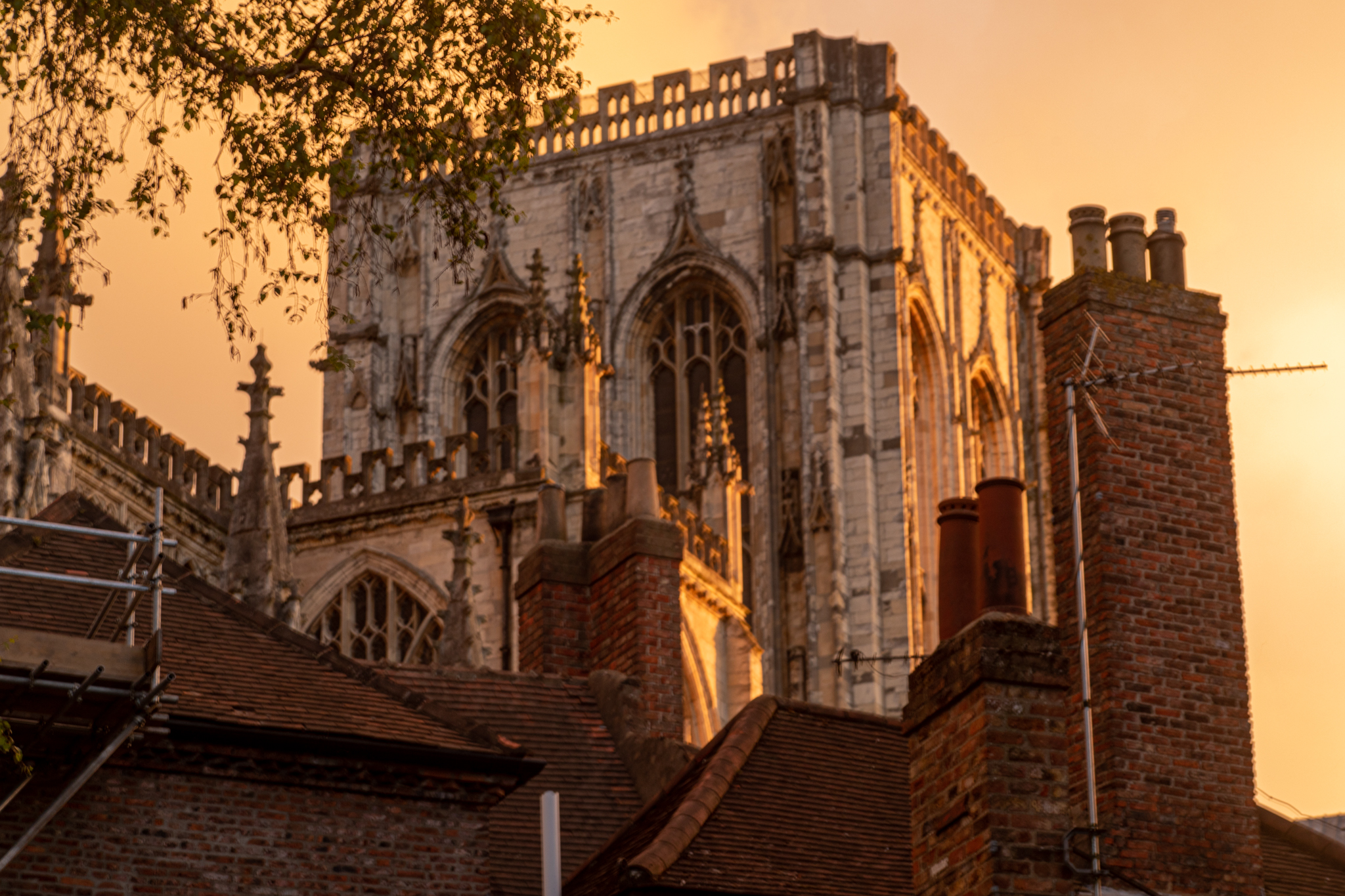
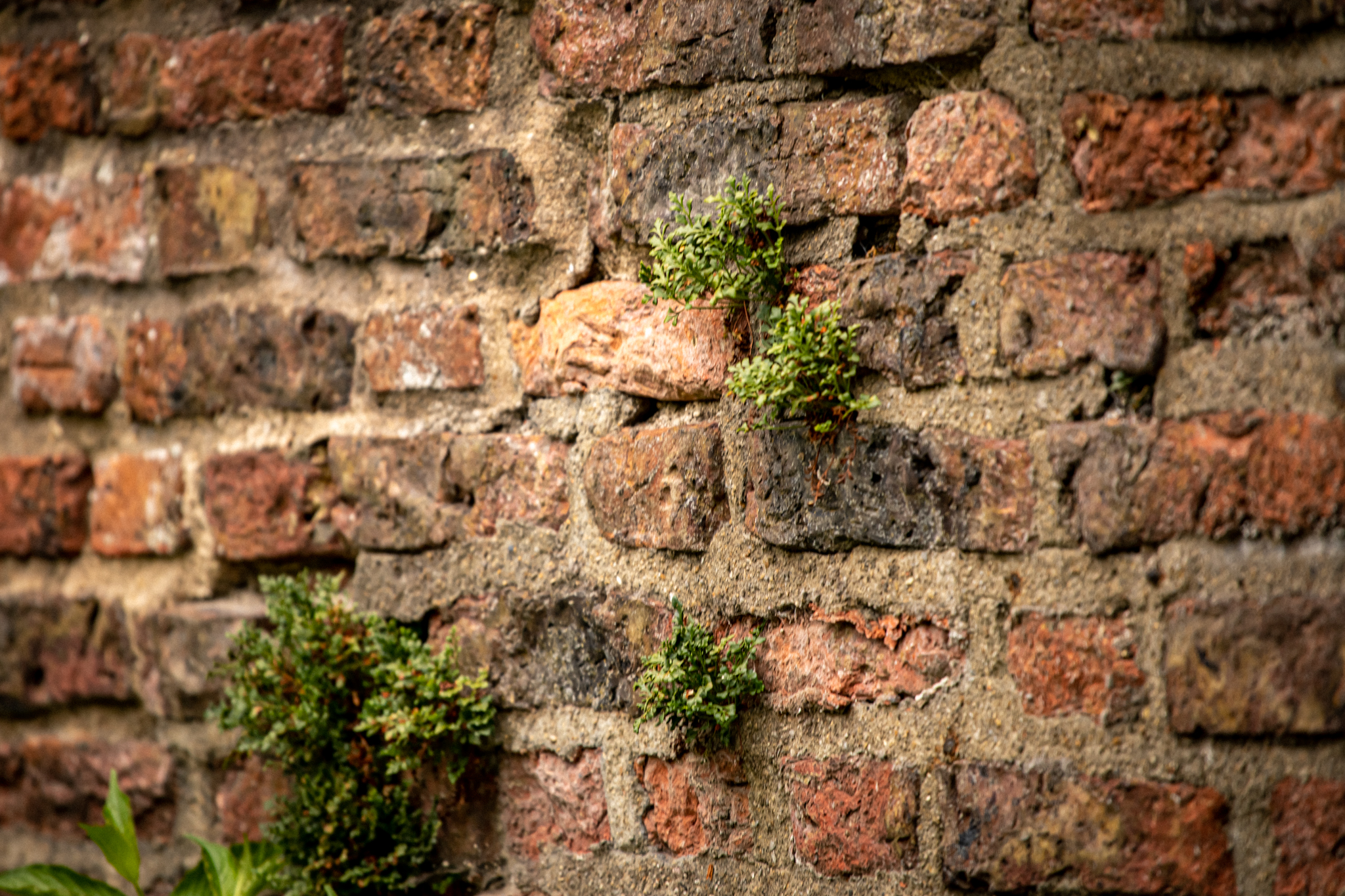
The garden is blissful in July late-in-the-day light. A blackbird calls in agitation from the margins of the lawn. The dog’s ears are pricked: perhaps there is a cat? Beyond the Georgian brickwork of the canonry the large mass of the Minster looms and the cry of a peregrine rises above the murmur of tourists in the precinct. Pigeons flutter hither and thither in alarm. At one point the scream of swifts breaks in, sudden and insistent, as three sets of scimitar wings slice the evening air. They appear and disappear in a moment. Bees toil amongst the lavender. In the walled garden the soil turns up fragments of clay pipes and not far below the surface there will be scaps of Roman detritus – ashes under Eboracum.
Sleepers over oceans in the mill of the world’s breathing.
Anne Stevenson, Swifts
The grace to say they live in another firmament.
A way to say the miracle will not occur,
And watch the miracle.
Time stands thick in the bulk of the cathedral, the rustic garden bricks, and all that lies below. The long-dead masons and glaziers knew nothing about cluster bombs, and their small fires did little to harm the health of the world. Yes, there was fear of disease and the panic stirred by the silhouette of a longship appearing down the Ouse. Progress has dispelled misery but also birthed new anxieties. Now an exceptionally warm day can be an omen of humanity’s expansion and consumption, of heat that will change the way we live and drive the poorest to destruction. Our fingerprints are everywhere, with little but the length of days escaping some change wrought by our manipulation.
It is necessary to hold a balance between this becoming-future and the peace of an evening hour. Undoubtedly there is an imperative to act, but there is also a need to sit and stare, and savour the gift of all we must strive to save.
Behold, we know not everything;
From In Memoriam A.A.H., by Alfred Tennyson
I can but trust that good shall fall
At last – far off – at last, to all,
And every winter change to spring.
 Swift Reflections